





Antique Octagonal Glass
Antique octagonal glass pieces span practical tableware and striking wall mirrors, offering geometric clarity for a refined interior.
Antique Octagonal Glass
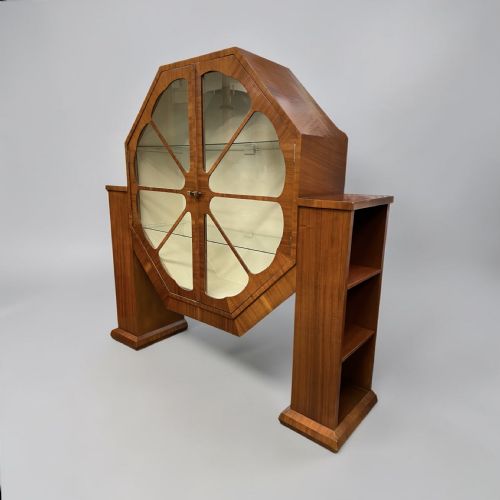
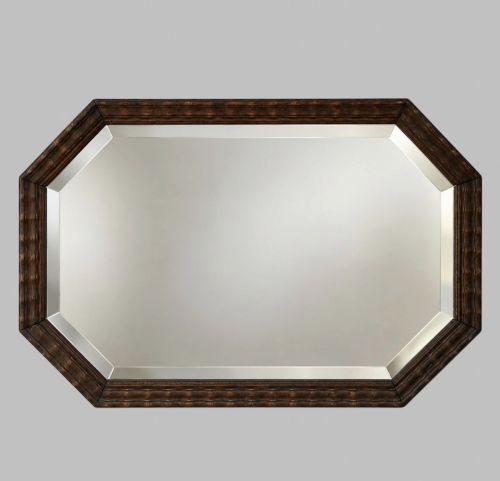
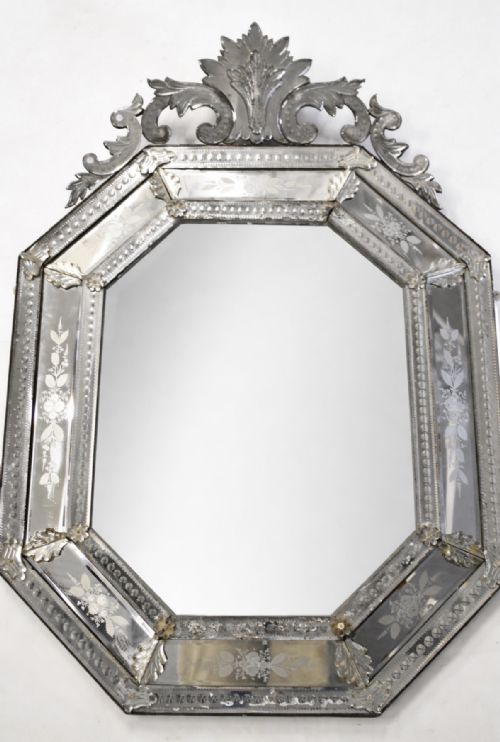
When you search for antique octagonal glass, you encounter a surprisingly varied selection of items ranging from small tabletop mustard pots with cobalt liners to large wall mirrors and display cabinets. These pieces often feature faceted shapes and geometric edges that catch the light distinctly.
The objects span multiple periods from the Victorian era into the Art Deco epoch of the 1930s. Wall mirrors and display furnishings dominate the selection alongside smaller silver-mounted condiment vessels.
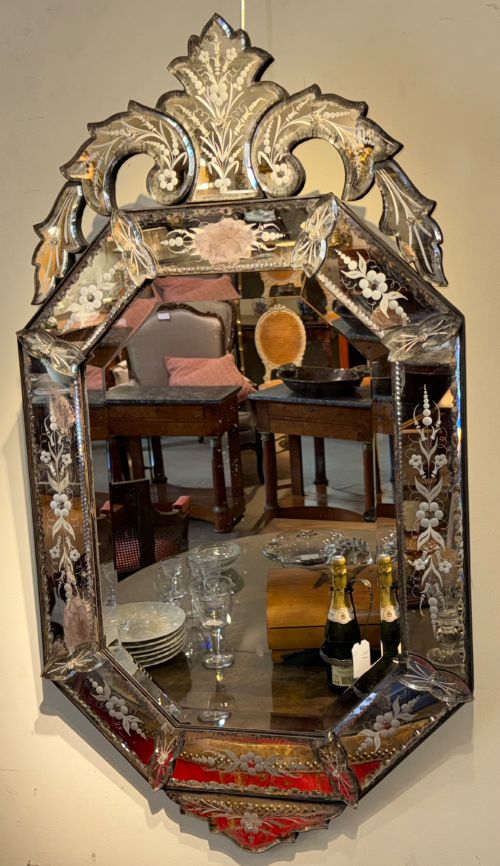
Originating from English, Italian Venetian, and French workshops, these items demonstrate how makers applied eight-sided geometry to both functional tableware and grand interior furnishings.
How they were made
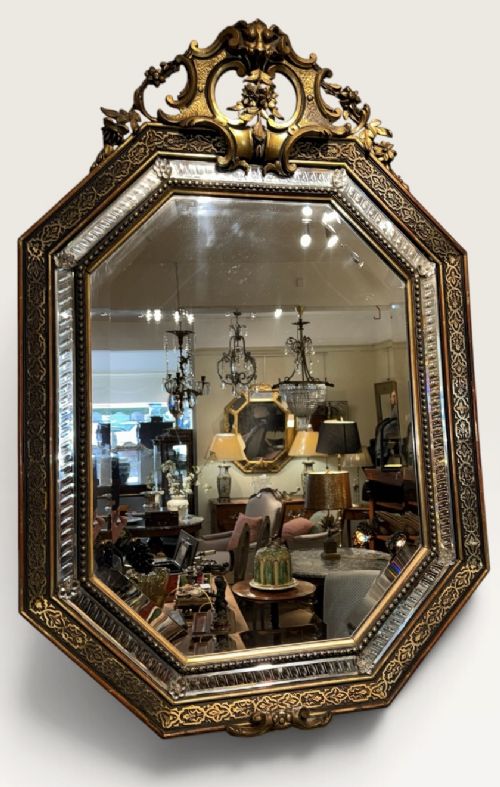
Glass panels were cut, bevelled, and set into frames of walnut, oak, kingwood, or sterling silver. Metal elements were cast or plated, while mirrored glass was silvered by hand to achieve deep reflection.
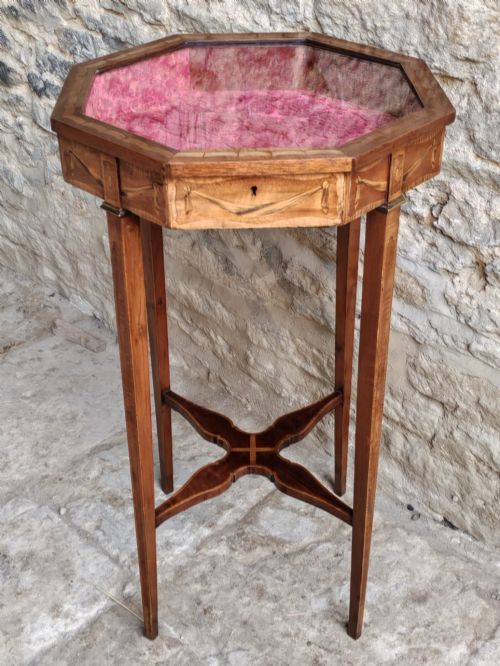
Cabinet makers utilised fine timbers like satinwood and walnut to construct sturdy display cabinets and side tables that housed or framed the glass components securely.
Antique Octagonal Glass Retail Price Guide 2026
Typical asking prices for octagonal glass among the pieces listed under this phrase on Sellingantiques today, from the lower quarter to the upper quarter. They describe what is for sale here now, not the wider market.
Listings feature items dated across the nineteenth and twentieth centuries, including Victorian sterling silver condiment pots and 1930s Art Deco walnut cabinets.
What varies in quality
The precision of the glass bevels and the clarity of the mirrored surfaces distinguish finer examples from standard production. Sharp, clean angles on octagonal frames show superior carpentry and metalwork.
The integration of secondary materials, such as genuine cobalt glass liners within sterling silver salt cellars or solid walnut construction in display cabinets, elevates the overall standard of the piece.
Waring and Gillow·Rurka
The Antique Octagonal Glass Glossary
- Bevel
- An angled edge cut along the perimeter of a glass plate. This technique creates a prismatic light effect and adds depth to mirrors.
- Bijouterie
- A small glass-topped display case or table designed to showcase precious trinkets and small collectibles. These cabinets often feature glazed octagonal tops.
- Sterling silver
- A silver alloy containing 92.5 percent silver by mass. It appears frequently in mustard pots and salt cellars alongside glass liners.
- Cobalt glass
- A deep blue glass coloured by the addition of cobalt oxide. It is commonly found in nineteenth-century salt cellars and condiment pots.
Antique Octagonal Glass: Frequently Asked Questions
Where were these glass pieces made?
The items originate from various European centres, with notable examples coming from English cabinet makers and Italian Venetian glass workshops.
Regional styles often dictate the framing materials, ranging from heavy oak and walnut in Britain to ornate mirrored glass surrounds in Venice.
How do I date an octagonal mirror?
Examine the construction of the frame and the backing boards behind the glass. Victorian and nineteenth-century pieces often display hand-bevelled edges and older timber joints.
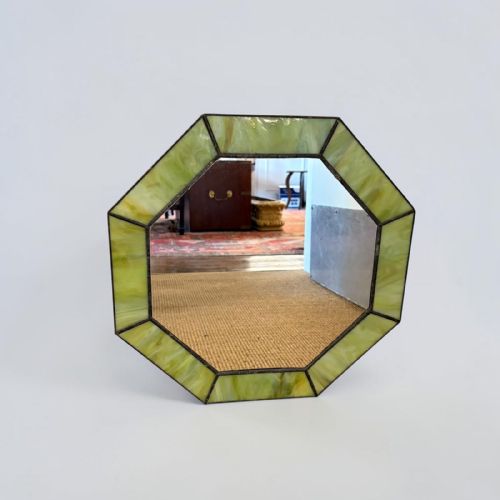
Art Deco items from the 1930s typically feature cleaner geometric lines and simpler walnut or silver-plated mounts without Victorian ornamentation.
Can I use silver mustard pots daily?
Sterling silver pots with glass liners are robust enough for occasional modern dining use. Ensure you clean the cobalt glass liners promptly after use to prevent vinegar or salt residue from marking the metal.
Hand wash the glass components separately and dry the silver thoroughly to maintain the polished finish.