



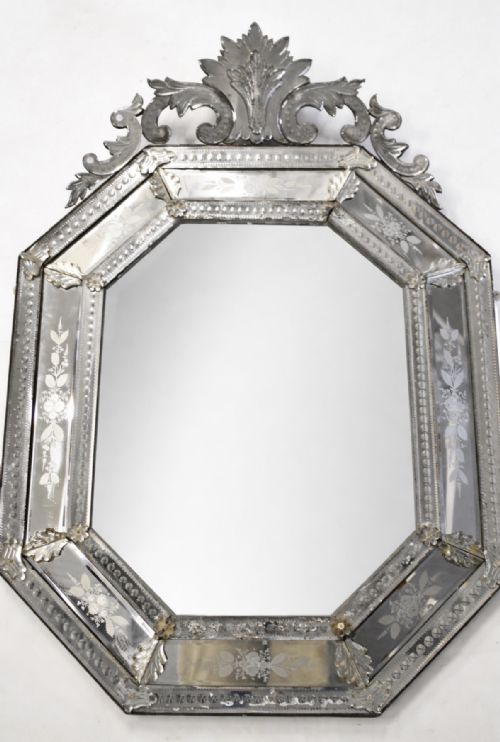


Antique Octagonal Frame
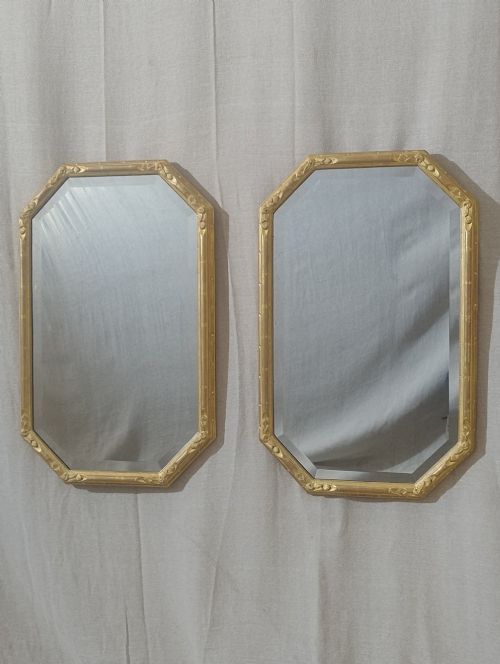
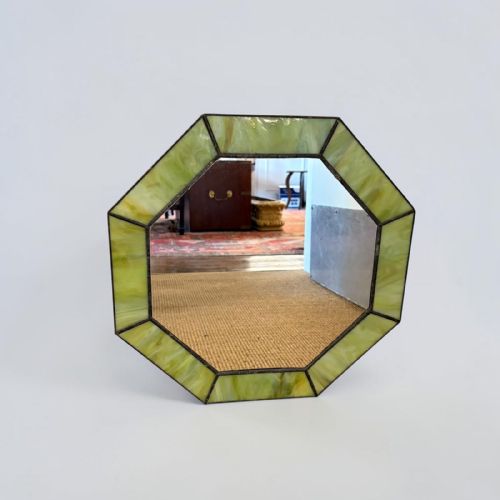
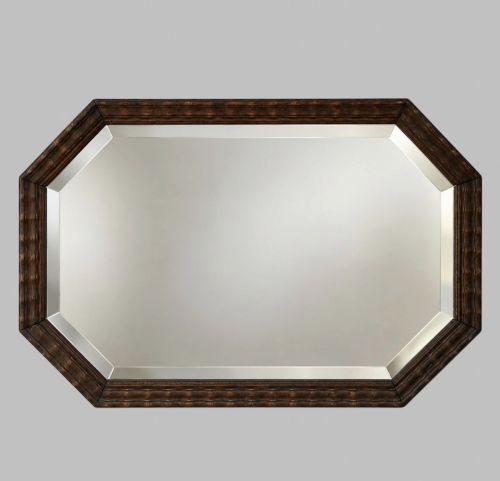
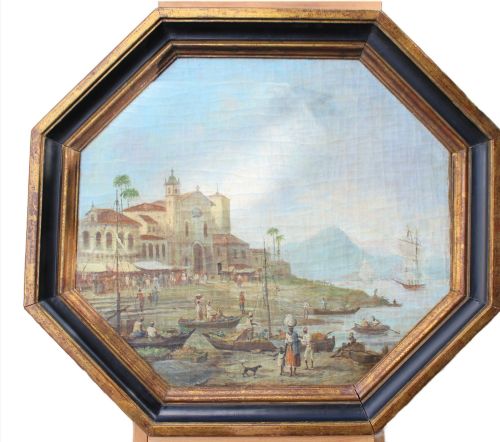
An antique octagonal frame brings immediate geometric order to a wall, framing mirrors, portraits, and oils with eight distinct sides.
Antique Octagonal Frame
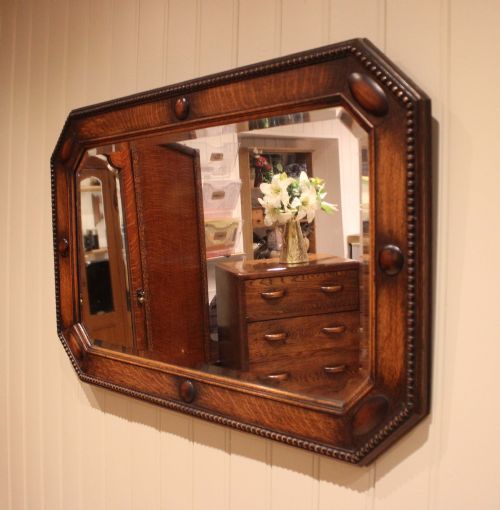
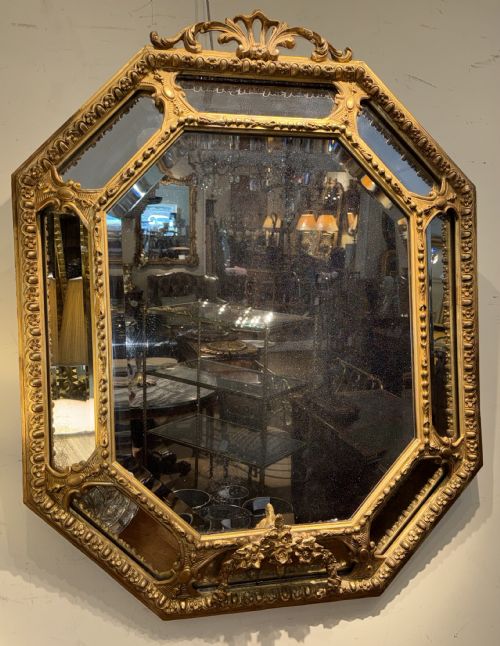
When you search for an antique octagonal frame, you encounter a distinct geometric form applied to wall mirrors, oil paintings, clocks, and silk embroideries. These pieces span the nineteenth century and the early twentieth century, incorporating Victorian, Edwardian, Venetian, and Neoclassical styles.
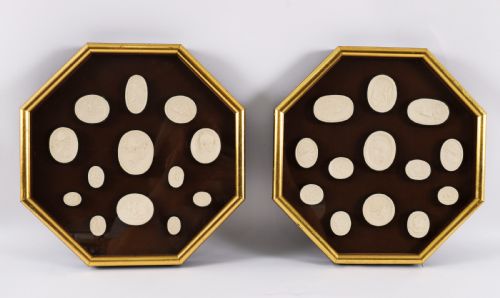
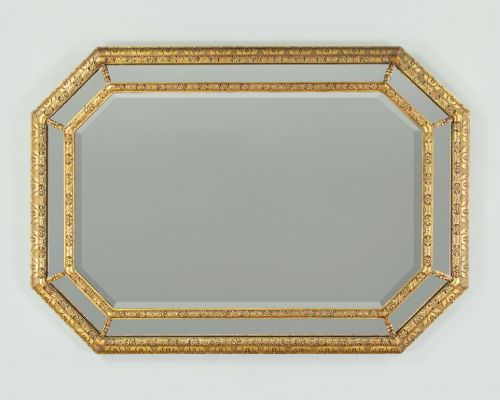
The selection on this page demonstrates that octagonal shapes house diverse contents, from Italian intaglios and floral oils to bevelled wall mirrors and fusee clocks. You are most likely to meet wooden or gilded wall mirrors and framed artworks dating from the Victorian and Edwardian eras.
How they were made
Frames and objects in this selection utilise timber foundations such as mahogany, oak, and ebonised wood, often layered with gesso and finished with gold leaf or water gilding. Metal wire, mother-of-pearl inlay, brass, and copper further enhance the surfaces of clocks and mirrors.
Master craftsmen shaped these materials using traditional joinery and carving techniques, applying bevelled glass to mirrors and mounting delicate oil paintings, silk embroideries, or marble panels securely within the eight-sided wooden borders.
Antique Octagonal Frame Retail Price Guide 2026
Typical asking prices for octagonal frame among the pieces listed under this phrase on Sellingantiques today, from the lower quarter to the upper quarter. They describe what is for sale here now, not the wider market.
What varies in quality
The distinction between standard examples and the finest pieces lies in the crispness of the octagonal geometry and the depth of the surface decoration. Hand-carved gesso, meticulous water gilding, and intricate mother-of-pearl or metal wire inlay elevate the visual weight of a frame.
Quality also depends on the harmony between the frame and its contents, whether an oil painting, a bevelled mirror plate, or a textile. Original glass plates, undisturbed patination on wood, and well-preserved gilding mark out the superior specimens.
Waring and Gillow·John Taylor Edinburgh·Henry Pierce Bone
The Antique Octagonal Frame Glossary
- Water gilding
- A traditional technique where gold leaf is applied to a prepared gesso surface using water and size, then burnished to a high shine. It creates a luminous finish characteristic of finer antique frames.
- Gesso
- A plaster-like mixture applied to wood frames to provide a smooth base for gilding or painting. It allows craftsmen to mould crisp decorative details along the edges.
- Bevelled glass
- Glass with an angled edge polished around the perimeter. This edge catches the light and adds depth to antique wall mirrors.
- Fusee clock
- A clock movement driven by a spring connected via a chain to a cone-shaped pulley, ensuring even tension as the spring winds down. They are prized for their precision in wall-hung timepieces.
- Intaglio
- A gem or stone carved with a design incised beneath the surface. Italian examples from the Grand Tour were frequently mounted in geometric frames.
Antique Octagonal Frame: Frequently Asked Questions
How do I date an octagonal frame?
Dating relies on examining the timber species, the preparation layers beneath the surface, and the method of construction. Nineteenth-century examples often display hand-cut joinery and authentic gesso composition.
Secondary clues include the type of mirror glass or the style of the artwork retained within the border, such as Victorian oil paintings or Edwardian bevelled plates.
Where should I hang an octagonal mirror?
An octagonal wall mirror suits spaces that benefit from breaking up vertical lines, such as narrow hallways or above mantelpieces. The eight-sided geometry draws the eye and acts as a focal point.
Ensure the wall fixings match the substantial weight of timber, brass, or gilded frames to support them securely.
Are these frames usually sold with artwork?
Many frames house the original oil paintings, silk embroideries, portraits, or mirror plates they were made for. Keeping the contents intact preserves the historical integrity of the piece.
Occasionally, frames are adapted or offered empty, but matching period contents provide complete context.