





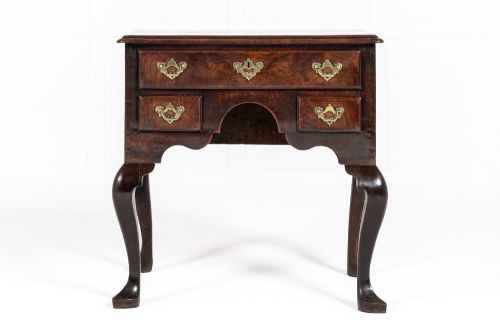

Antique Occasional Chest
These antique occasional chests are compact timber storage pieces and display surfaces, brought into parlours and bedrooms across the eighteenth, nineteenth, and early twentieth centuries.
Antique Occasional Chest
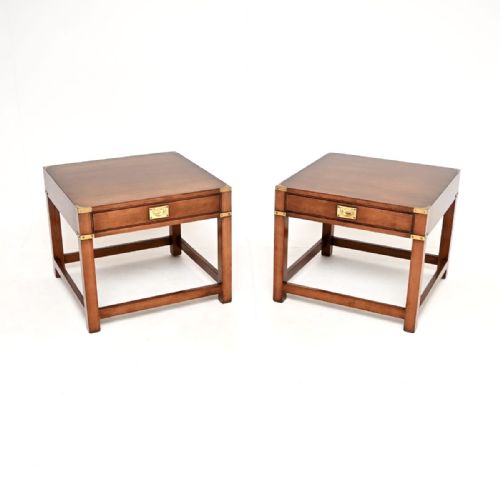
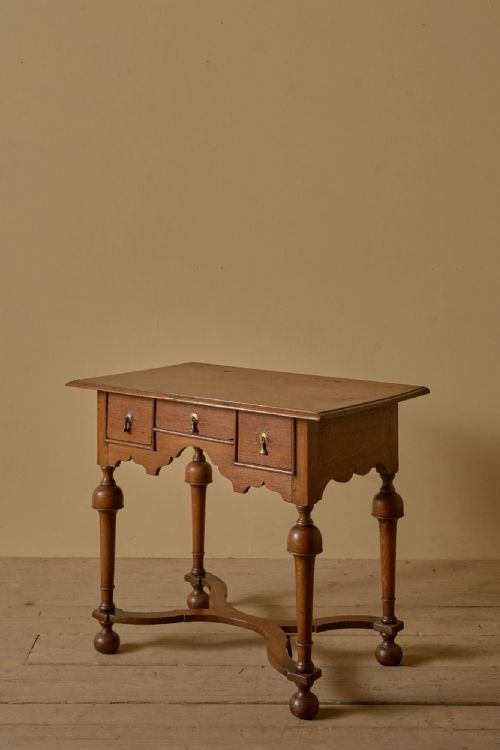
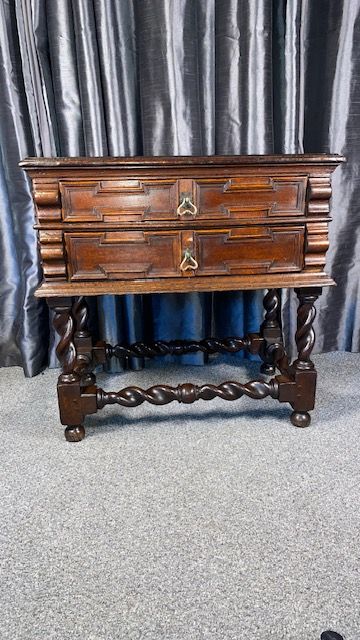
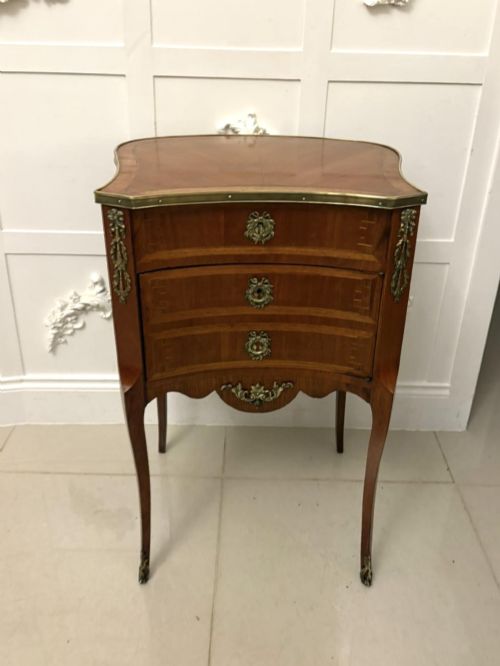
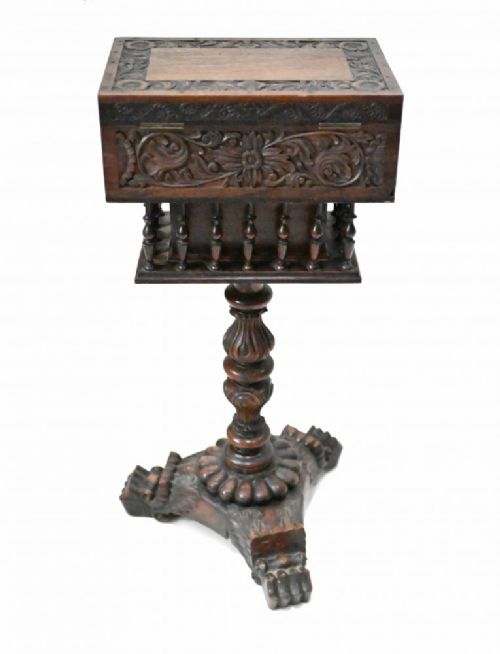
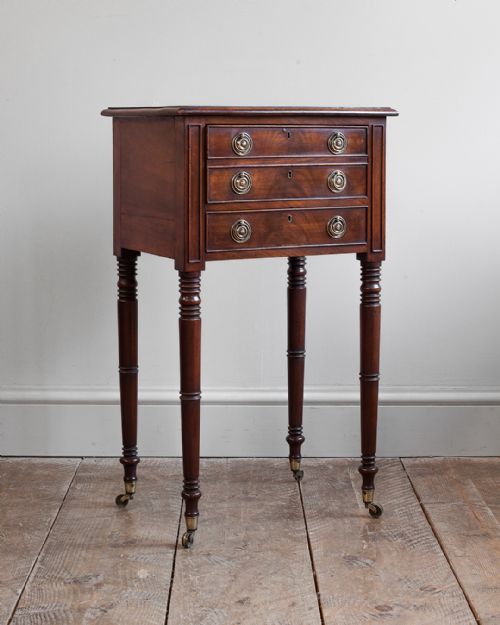
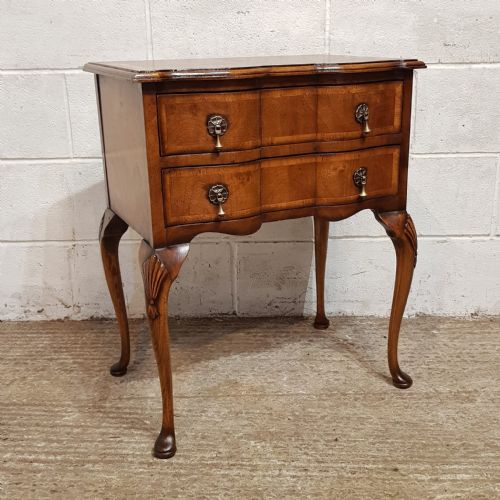
When you search for an antique occasional chest, you encounter a diverse group of small multi-purpose furniture forms designed to sit beside seating or beds. The selection spans distinct forms such as compact side tables, lidded teapoys for holding tea caddies, lowboys with drawers, and small bedside cabinets.
The versions you meet most frequently on this page date from the Georgian and Victorian eras through to the Edwardian period and the early twentieth century. Walnut and mahogany dominate the timber choices, often enriched with burr veneers or decorative parquetry.
Originating as practical items for affluent homes, these pieces served multiple functions from needlework storage to holding bedside lamps. Their small scale allows them to fit modern interiors easily while retaining period character.
How they were made
Cabinetmakers constructed these small chests using solid hardwoods like mahogany and oak for structural frames, overlaid with decorative veneers including burr walnut and kingwood. Marquetry and parquetry patterns add geometric or floral surface interest across French and English examples.
Brass fittings such as drop handles, escutcheons, and inlaid brass stringing appear regularly to accent the timber grains. Carved detailing also surfaces on specific pieces, particularly in colonial padouk furniture and revival styles.
Antique Occasional Chest Retail Price Guide 2026
Typical asking prices for occasional chest among the pieces listed under this phrase on Sellingantiques today, from the lower quarter to the upper quarter. They describe what is for sale here now, not the wider market.
A sturdy burr yew teapoy waits patiently to guard your tea leaves from imaginary Victorian guests.
What varies in quality
Quality reveals itself in the selection of timber veneers and the precision of the cabinetwork joining the parts. Burr walnut and figured mahogany displays show deliberate grain matching across drawer fronts and tops.
The refinement of brass inlay, hand-carved details, and the integrity of internal drawer construction separate standard utility pieces from finer workshop productions.
Strahan
The Antique Occasional Chest Glossary
- Teapoy
- A small stand or chest originally designed to hold tea caddies and loose tea leaves. They often feature lidded compartments and sometimes incorporate fitted interiors for mixing tea.
- Lowboy
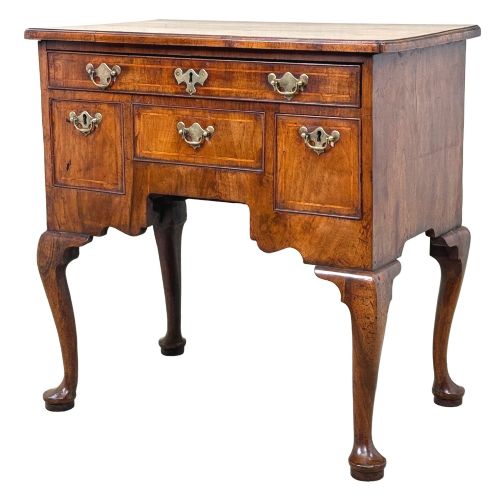
- A small kneehole dressing table or side table featuring one or more rows of drawers beneath a flat top. They typically date from the eighteenth century and stand on slender legs.
- Marquetry
- A decorative technique where thin pieces of coloured wood veneer are assembled to form pictorial or geometric patterns on a furniture surface. This method was favoured in French and revival pieces.
- Parquetry
- A geometric mosaic of wood pieces used for surface decoration, commonly seen on table tops and cabinet doors. It creates a repeating pattern across the grain of the wood.
- Work table
- A small movable table equipped with drawers or a fabric bag for holding sewing and needlework supplies. These pieces were popular companions in nineteenth-century sitting rooms.
Antique Occasional Chest: Frequently Asked Questions
What is an antique occasional chest?
An antique occasional chest is a small movable timber storage piece or table designed for specific domestic tasks in bedrooms or parlours. These items include teapoys, lowboys, and small side cabinets.
They provide compact surface space and enclosed storage while displaying period woodwork styles from the eighteenth to the early twentieth centuries.
How were teapoys used historically?
Teapoys served as secure containers for expensive tea leaves and caddies in the drawing room. The fitted interior kept dry leaves protected until they were brewed.
Servants or hosts would unlock the compartment to prepare tea for guests during social gatherings.
Where should I place an occasional chest?
These compact pieces fit easily beside sofas as lamp tables or next to beds as bedside storage. Their small footprints suit hallways and corners where larger furniture would overwhelm the space.
They function well to display decorative objects while keeping small items hidden within their drawers or lidded compartments.
How do I identify a Georgian lowboy?
A Georgian lowboy typically presents a rectangular timber top above a configuration of small drawers set within a valanced apron. The legs are often slender cabriole forms ending in pad feet or straight tapered designs.
Mahogany and walnut are the primary woods found in these eighteenth-century examples.