



Antique Oak Wood
These antique oak wood pieces bring solid timber, deep grain and centuries of domestic use straight into a room.
Antique Oak Wood
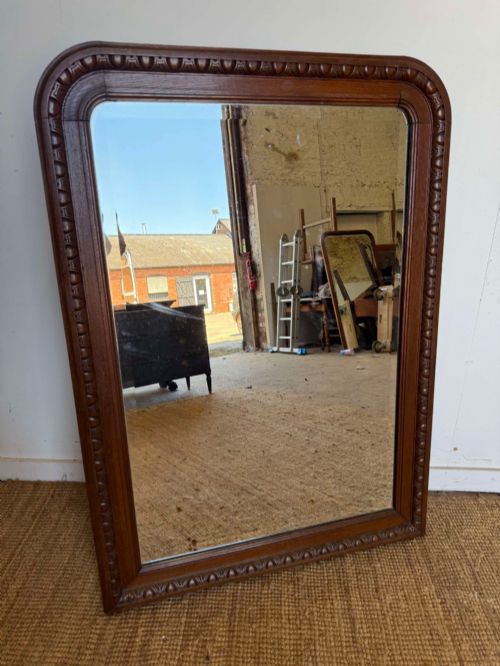
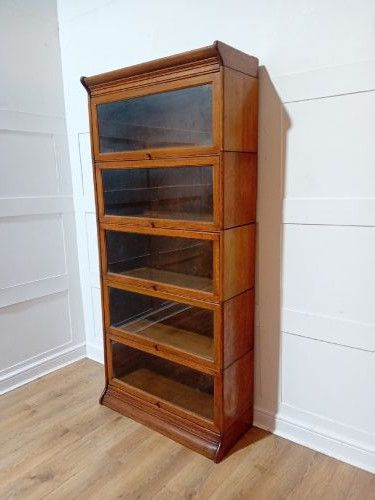
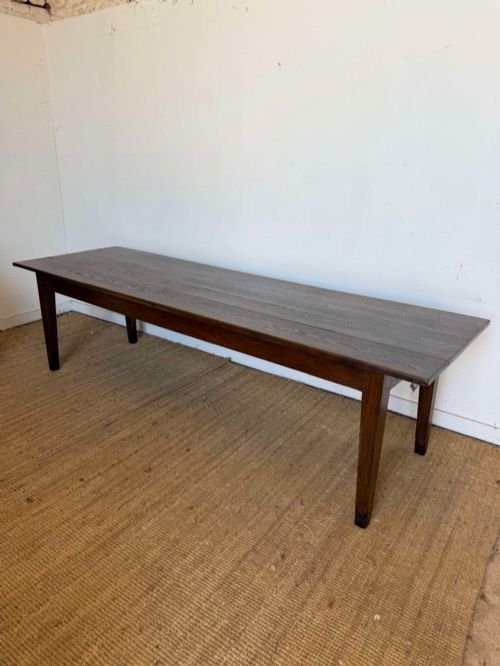
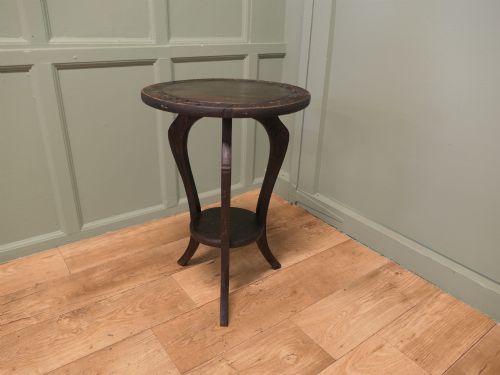
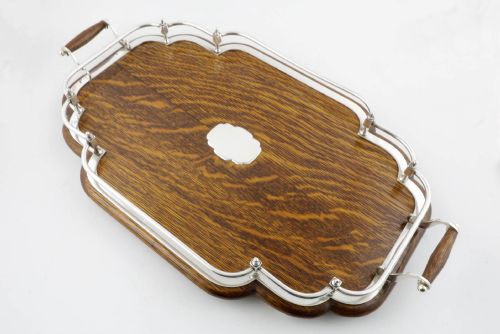
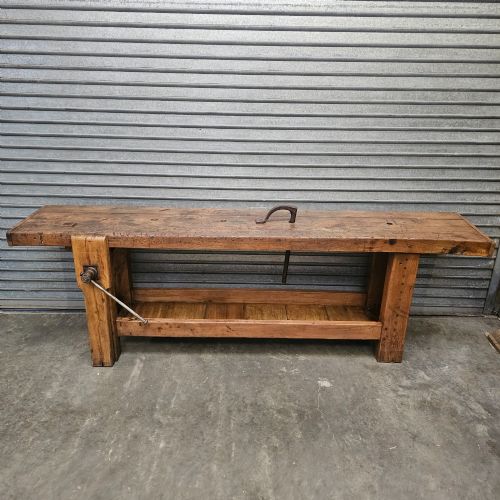
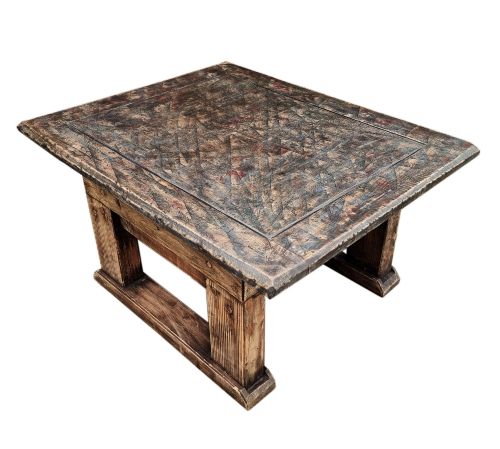
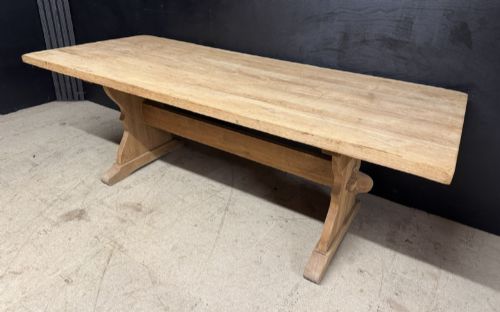
Antique oak wood encompasses a broad range of utilitarian and decorative objects spanning from the seventeenth century through to the Edwardian era and the 1920s. Buyers searching this phrase encounter substantial furniture such as refectory dining tables, sideboards, chests of drawers, bookcases and bureau bookcases alongside smaller items like blanket boxes, side tables and settles.
The objects derive from various design movements including Jacobean Revival, Gothic Revival, Georgian, Victorian and Arts and Crafts. Pieces range from grand baronial armchairs and architectural salvage panels to practical items like revolving bookcases, umbrella stands and wall-hanging candle holders.
The most common items on this page are Edwardian and early twentieth-century oak tables, bookcases and storage cabinets, alongside nineteenth-century seating and chests of drawers. Earlier survivals from the seventeenth and eighteenth centuries, such as coffer boxes, dresser bases and Georgian side tables, appear less frequently but anchor the higher end of the selection.
How they were made
Construction relies primarily on solid oak timber, valued for its density, strength and distinct medullary rays visible in quarter-sawn boards. Cabinetmakers and joiners combined this durable wood with secondary elements of brass hinges, iron brackets and occasional walnut or timber veneers.
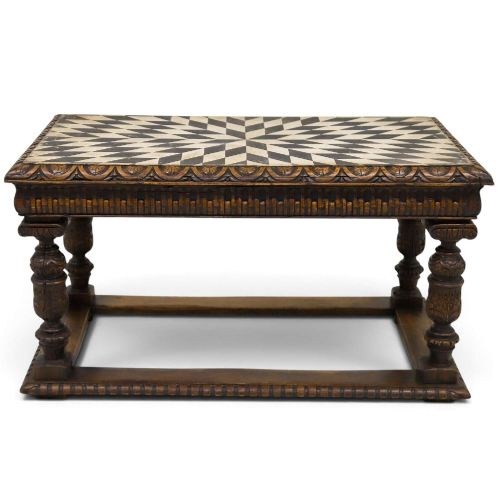
Decorative techniques recorded across the listings include deep relief carving, such as floral motifs, lunette friezes and carved dragons or green man details. Many items utilise panel-and-frame construction to accommodate the natural seasonal expansion and contraction of solid timber without splitting the main structure.
Antique Oak Wood Retail Price Guide 2026
Typical asking prices for oak wood among the pieces listed under this phrase on Sellingantiques today, from the lower quarter to the upper quarter. They describe what is for sale here now, not the wider market.
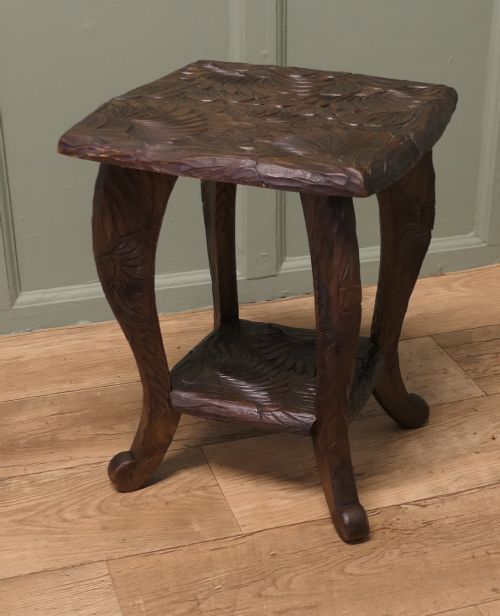
Keep an eye out for carved crouching dragons and green man faces hiding amongst the oak foliage.
What varies in quality
Quality in these items rests upon the crispness of the hand-carved detail and the selection of the timber grain. Pieces with well-figured quarter-sawn oak display a rich medullary fleck that elevates the visual depth of the surface compared to plain-sawn boards.
Construction methods also separate standard production from superior cabinetwork, particularly in the use of traditional joinery like dovetail drawers and pegged mortise and tenon joints. The integrity of original brass hardware, working locks and integrated elements such as adjustable shelves or revolving mechanisms dictate the overall standard of a piece.
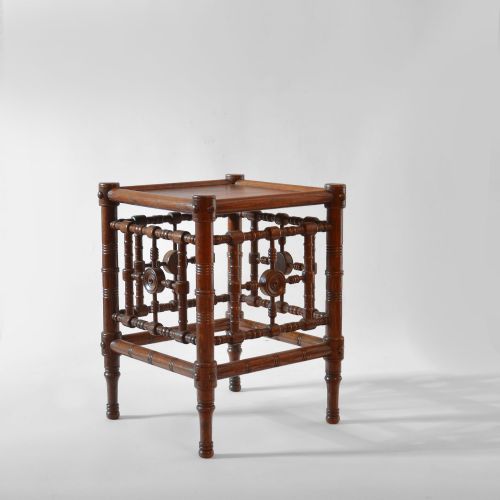
Leonard Wyburd for Liberty and Co
The Antique Oak Wood Glossary
- Refectory table
- A long dining table historically used in communal dining halls and characterised by sturdy legs connected by central stretchers.
- Quarter-sawn
- A method of milling timber that cuts at right angles to the growth rings, producing a stable board with prominent medullary ray figuring.
- Lunette
- A semicrescent decorative carving often repeated in friezes on Jacobean and revival furniture.
- Coffer
- A large wooden chest traditionally used for storing valuables, linen or documents before fitted wardrobes became common.
- Purdonium
- A specialised domestic cabinet designed specifically to store coal near a fireplace, typically featuring an internal metal liner and a sloping lid.
Antique Oak Wood: Frequently Asked Questions
How do I care for antique oak furniture?
Keep wooden items away from direct heat sources and sudden temperature swings to prevent the solid timber from drying out and splitting. Apply a coat of quality beeswax periodically to nourish the grain and maintain a natural sheen.
Avoid using modern silicone sprays or harsh chemical polishes, as these build up on the surface and dull the antique finish over time. Dust regularly with a soft, dry cloth to protect the carved details and joints.
How can I tell the period of an oak piece?
Examine the construction methods, tool marks and hardware used in the assembly of the item. Hand-sawn boards, pegged joints and irregular dovetails generally indicate earlier seventeenth or eighteenth-century craftsmanship.
Later Victorian and Edwardian pieces often display machine-planed timber, standardised screws and revival styles that copy earlier motifs. Comparing the decorative carving style to documented movements helps narrow down the decade of manufacture.
What is quarter-sawn oak?
Quarter-sawn oak is timber cut perpendicular to the annual growth rings rather than parallel. This specialised milling process creates boards that are less prone to warping or shrinking.
Visually, this cut reveals striking silver-flecked medullary rays across the grain, a feature highly prized in Arts and Crafts and revival furniture.
Are these pieces made of solid wood?
The majority of items listed here feature solid oak or substantial timber construction. Cabinetmakers utilised thick boards for tabletops, structural frames and drawer fronts to ensure long-term durability.
Some later pieces from the nineteenth and twentieth centuries occasionally incorporate secondary timbers or decorative veneers on non-structural surfaces.