


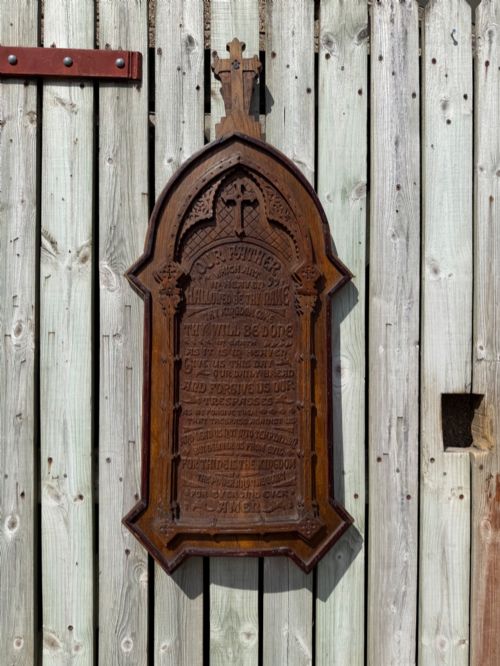
Antique Oak Wall Hanging
An antique oak wall hanging brings substantial timber cabinetry and functional display space directly to domestic walls.
Antique Oak Wall Hanging
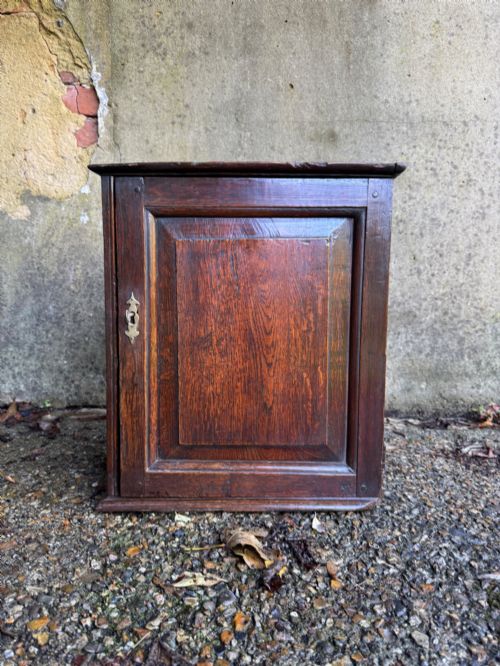
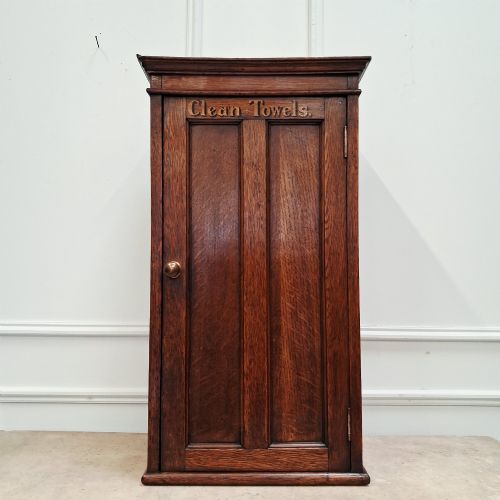
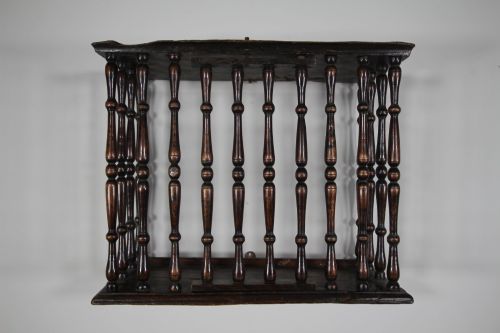
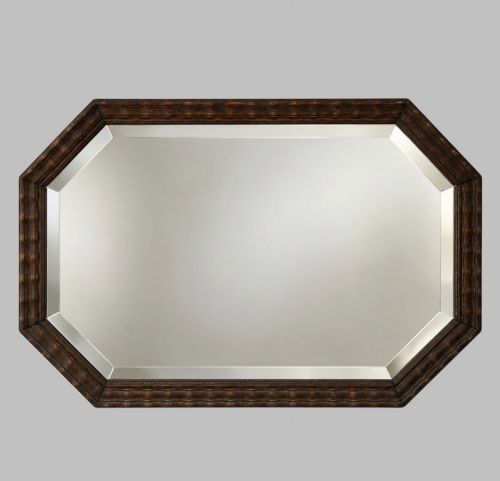
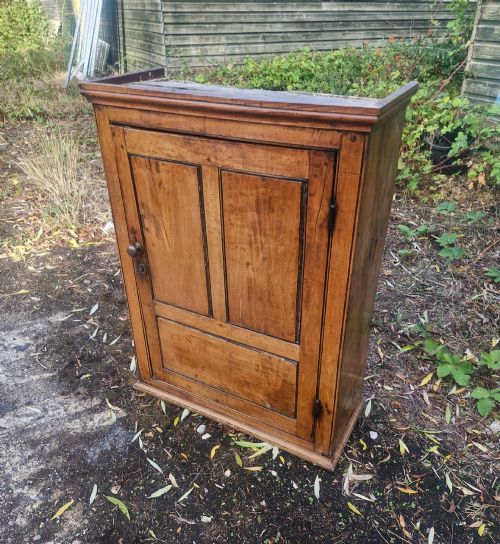
When searching for an antique oak wall hanging, buyers encounter a diverse selection of wall-mounted utilitarian objects spanning from the seventeenth century through to the Edwardian period. The most frequently met examples include Georgian and later corner cupboards, spice cabinets, plate racks, and mirrors framed in solid timber.
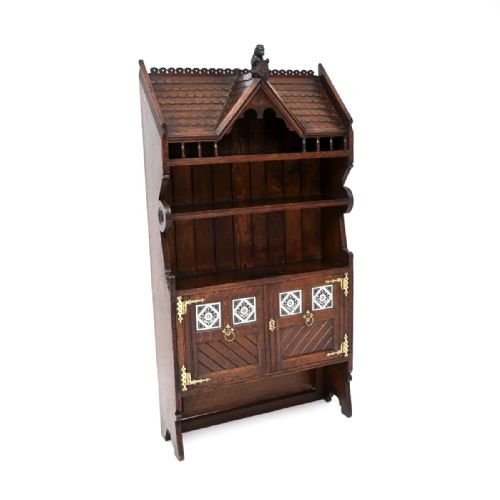
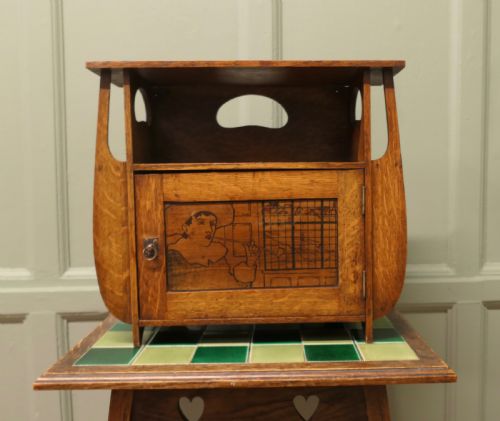
Domestic interiors from the eighteenth and nineteenth centuries relied heavily on these hanging pieces to maximise floor space while safely storing household provisions, ceramics, or personal items. Surviving items frequently display regional English craftsmanship, ranging from plain country workshop designs to more ornate Gothic Revival or Arts and Crafts styling.
Materials and construction
Makers utilised solid oak as the primary structural timber, frequently complemented by secondary woods such as mahogany or pine in internal shelving and backboards. Hardware played an essential functional role, incorporating original brass hinges, iron latches, and occasional glass panels.
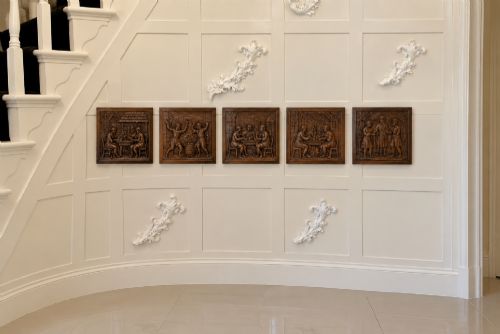
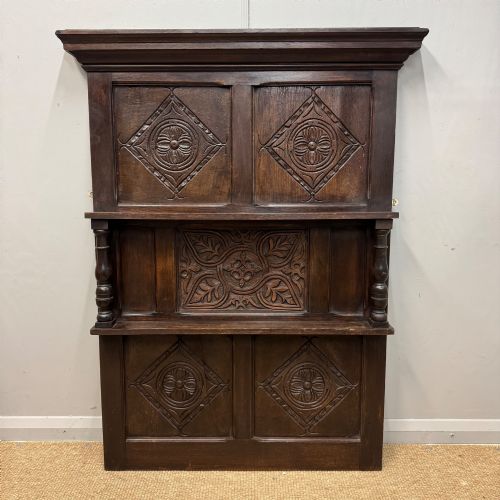
Carpentry techniques visible across these pieces involve traditional pegged mortise and tenon joinery, hand-carved relief panels, and chip carving. Surface decoration occasionally includes cross-banding, inlay work, or traces of early paint and natural hide elements.
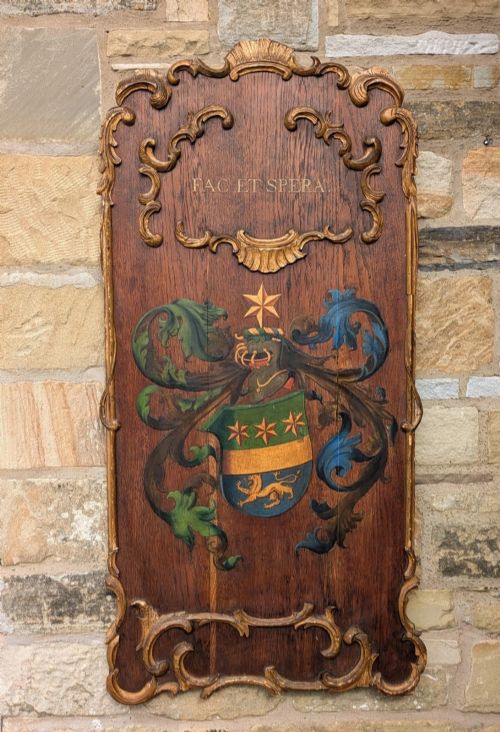
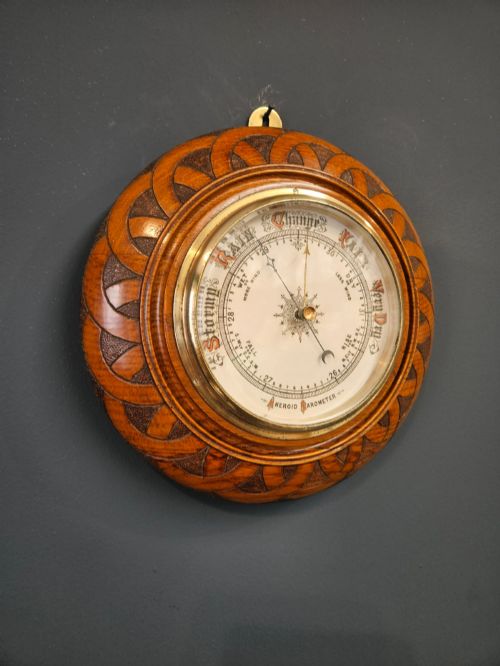
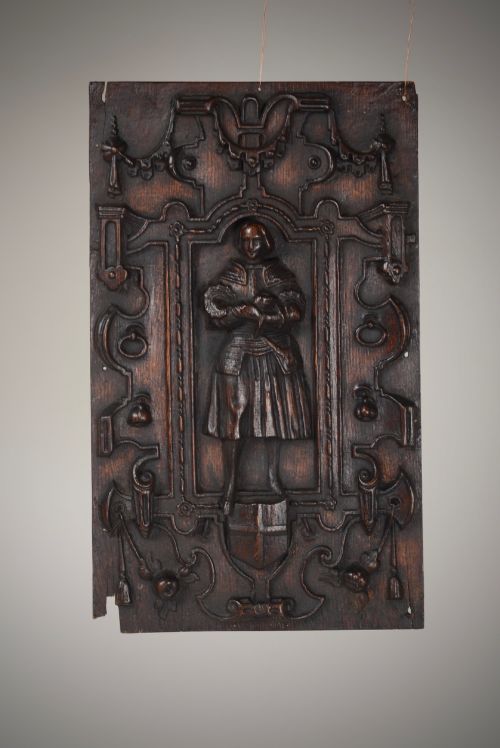
Listings span seventeenth-century panels through to Edwardian barometers, utilising oak, brass, glass, and iron.
Judging quality
Superior examples of antique oak wall hanging pieces distinguish themselves through the integrity of their timber selection and the crispness of hand-carved detailing. Uniformity in the grain, depth of colour achieved through natural ageing, and the retention of original iron or brass hardware elevate certain specimens above standard utilitarian items.
Construction methods also dictate grade, with tightly fitted joints, original backboards, and undamaged structural framing separating master workshop output from simpler vernacular items. Pieces retaining synchronous interior shelving and unmodified hanging points hold greater structural authenticity.
Waring & Gillow·Hyde & Sons Sleaford
The Antique Oak Wall Hanging Glossary
- Corner cupboard
- A triangular cabinet designed to fit neatly into the corner of a room, saving floor space while providing enclosed storage.
- Spice cupboard
- A small wall-mounted cabinet traditionally fitted with multiple internal drawers for storing expensive culinary spices and herbs.
- Plate rack
- A wall-mounted wooden framework featuring vertical slots or rails specifically designed to display ceramic plates upright.
- Chip carving
- A decorative woodworking technique where small chips are removed from a single piece of wood to create geometric patterns.
- Cross-banding
- A decorative border technique where narrow strips of veneer are laid across the grain of the primary timber.
Antique Oak Wall Hanging: Frequently Asked Questions
What were spice cupboards used for?
These small cabinets provided secure, dry storage for valuable culinary spices, medicinal ingredients, and precious household items in early homes.
Their compact internal drawers kept delicate provisions safe from damp air and household pests.
How do I hang a heavy cabinet?
Period wall cabinets rely on original internal fixing brackets or sturdy rear battens designed to bear substantial loads safely.
Weight distribution requires professional wall anchors suited to the specific masonry or plaster composition of modern rooms.
How do I identify Georgian oak?
Georgian oak exhibits a dense grain pattern, deep natural patination, and visible medullary rays known as silver grain.
Hand-cut timber edges and traditional pegged joinery further confirm eighteenth-century workshop production methods.
Where should I place a wall mirror?
Heavy oak-framed mirrors suit principal reception rooms or hallways where reflected light enhances darker architectural spaces.
Mounting height should align with surrounding furniture proportions to balance the visual weight of the solid timber frame.