


Antique Oak Wainscot
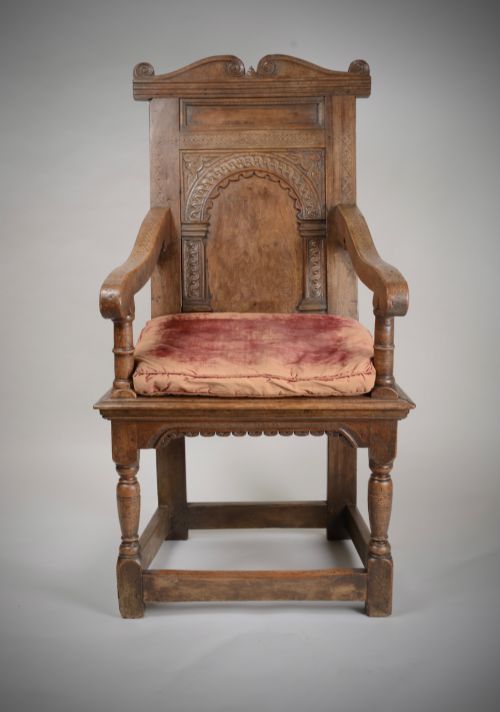
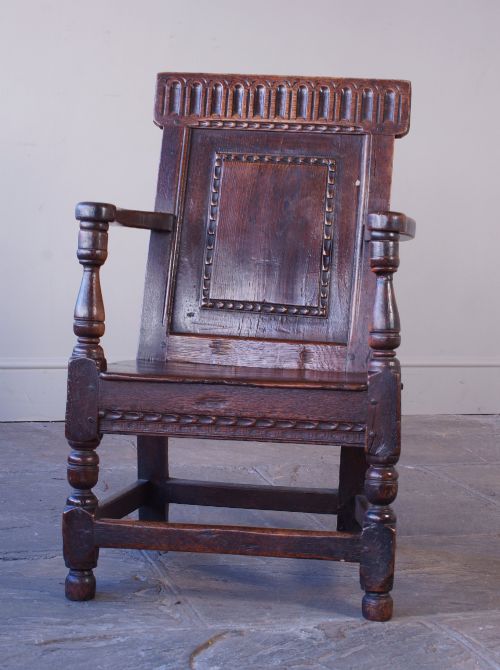
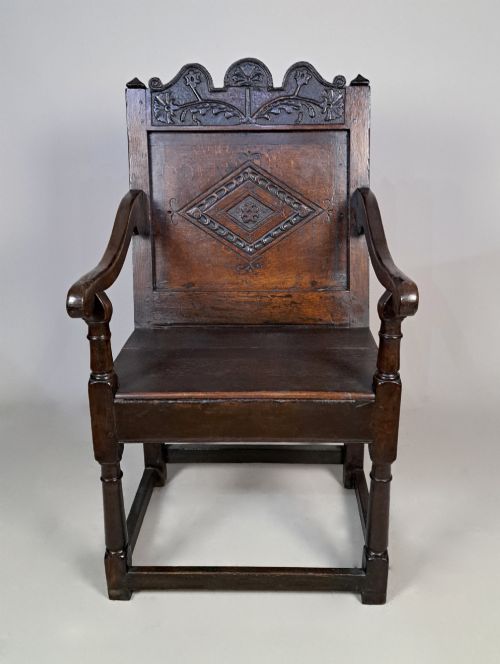
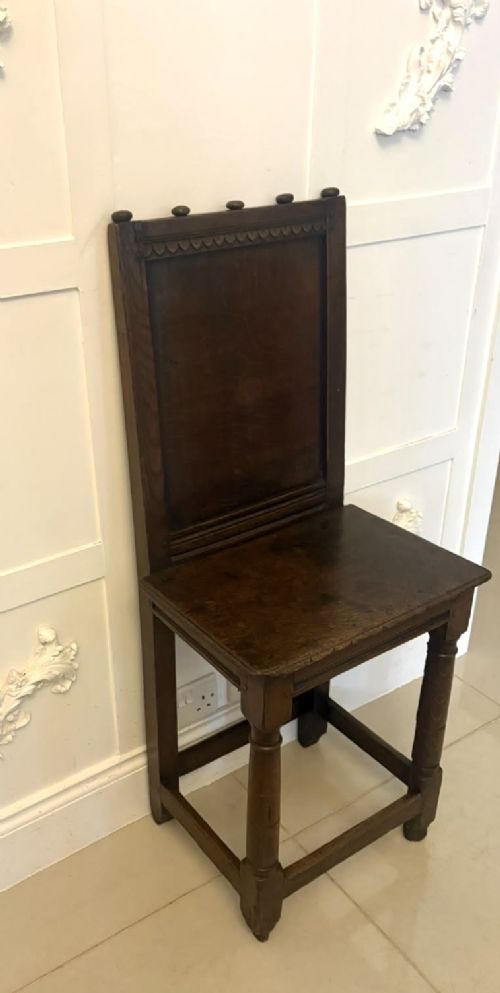
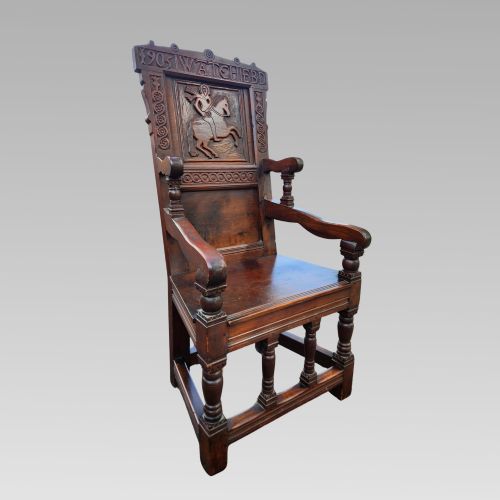
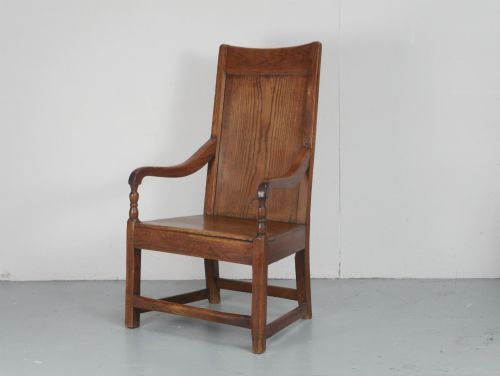
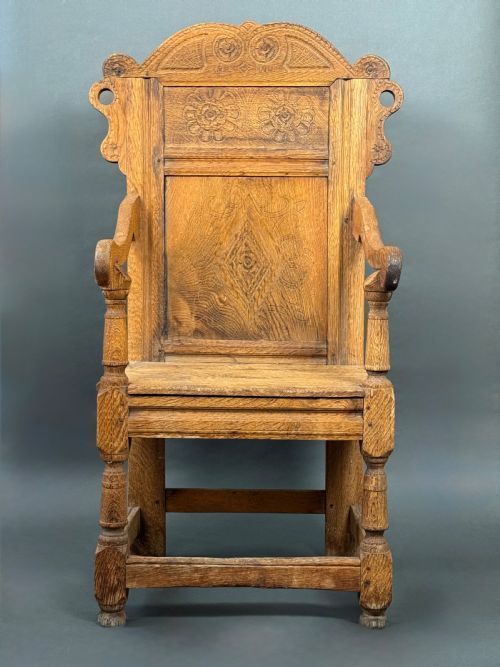
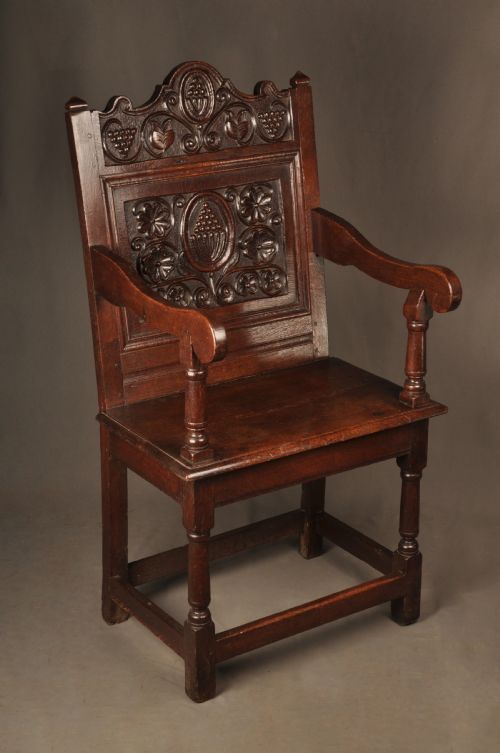
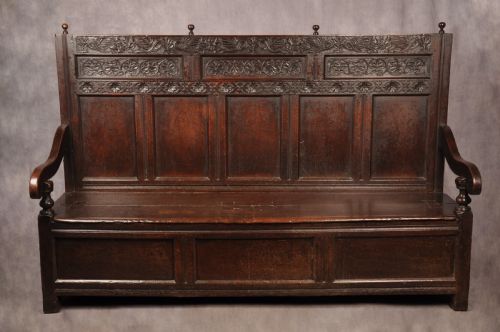
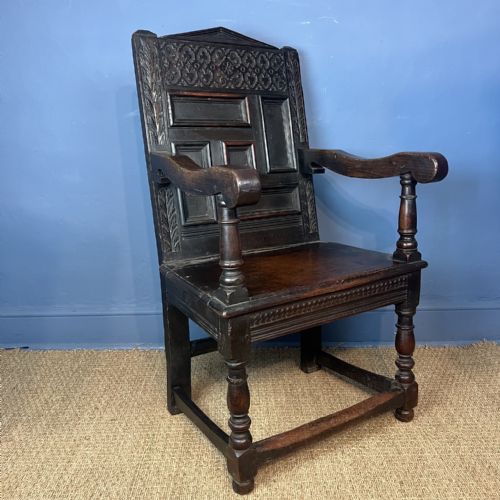
These heavy timber seats and panels are the classic antique oak wainscot pieces that anchor a historic interior with rigid upright presence.
Antique Oak Wainscot
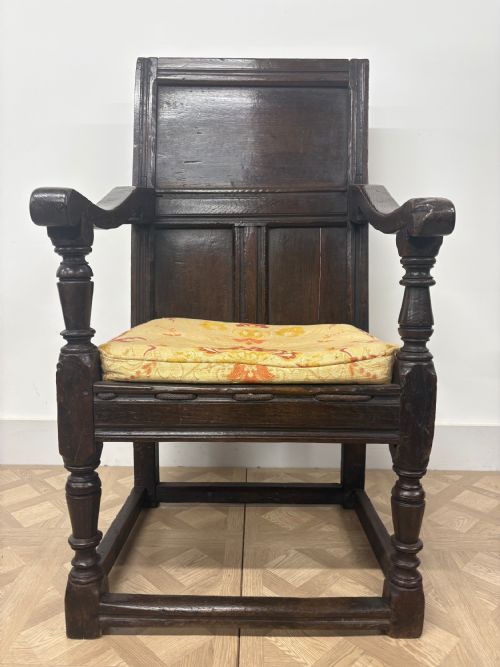
When searching for antique oak wainscot, a buyer encounters panel-backed armchairs, side chairs, and architectural wood panels dating from the sixteenth century onwards. These seating forms developed from board construction into sturdy joined frames designed for domestic halls and parlours.
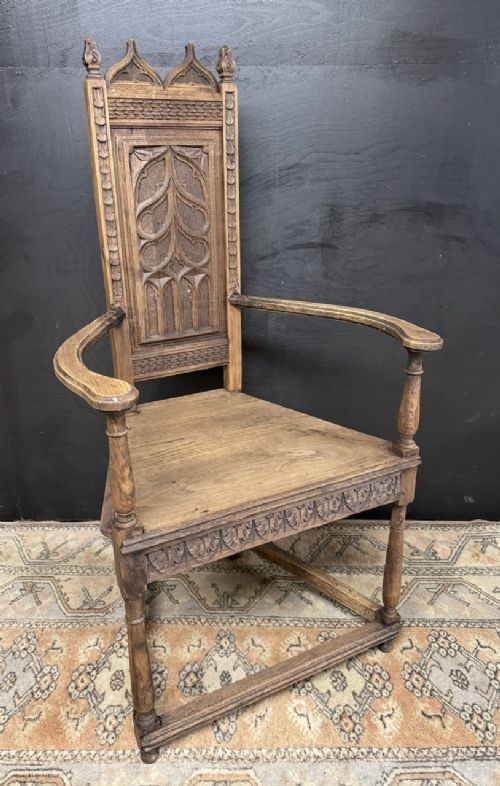
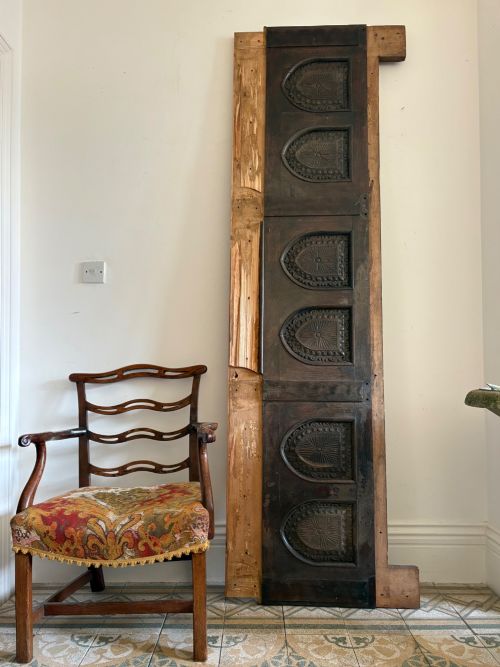
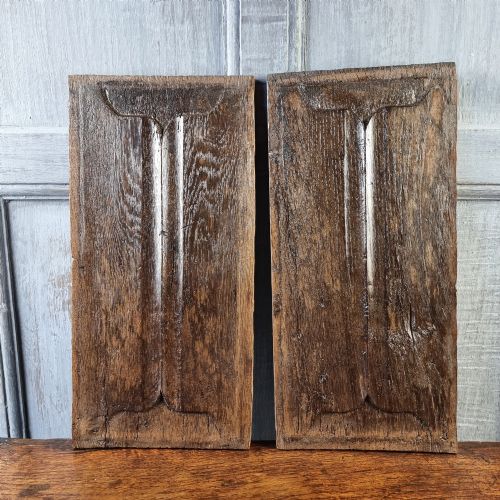
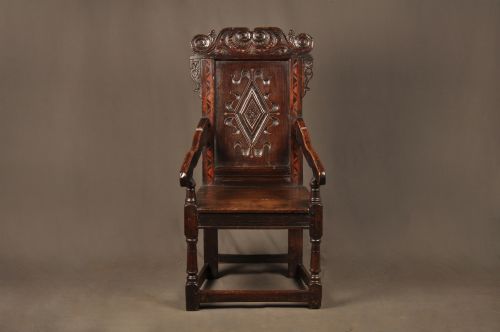
The sixteenth and seventeenth centuries provide the core examples of these panel-backed seats, alongside later nineteenth-century revivals that emulate earlier styles. Regional variants from Yorkshire, Lancashire, and Wales frequently appear across these listings alongside architectural salvage panels featuring carved tracery or linenfold motifs.
Materials and construction methods
Makers utilised solid oak alongside occasional secondary timbers like elm for structural components and panels. Construction relied on mortise and tenon joints secured with wooden pegs, creating rigid frames that survived centuries of daily use.
Surface ornamentation involved chisels and gouges applied directly to the timber, producing geometric strapwork, scrolling foliage, and linenfold patterns. Inlaid wood details occasionally appear on select pieces to provide contrasting visual textures.
Antique Oak Wainscot Retail Price Guide 2026
Typical asking prices for oak wainscot among the pieces listed under this phrase on Sellingantiques today, from the lower quarter to the upper quarter. They describe what is for sale here now, not the wider market.
Listings span periods from the 16th century through to 19th-century revivals, utilising solid oak, elm, and wood inlay.
Assessing quality in early woodwork
The distinction between ordinary and superior pieces lies in the crispness of the hand carving and the depth of the regional design. Crisp relief work on the back panels and substantial arm supports indicate a higher grade of craftsmanship.
Proportion and the integrity of the joined frame dictate the overall merit of a chair or panel. Examples that retain their original timber surfaces without extensive later timber replacement command greater interest from collectors.
The Antique Oak Wainscot Glossary
- Wainscot
- A wooden panelled backing found on early chairs and interior walls. This term originally described high-grade imported oak board before shifting to designate the specific chair form.
- Linenfold
- A carved architectural panel motif imitating folded cloth. This style appears on sixteenth-century panels and chests.
- Joined chair
- A seating form constructed with mortise and tenon joints rather than turned wooden spindles or nailed boards. These items represent standard seventeenth-century carpentry.
- Backstool
- An early form of side chair featuring a high panelled back without arms. These pieces served domestic functions alongside larger armchairs.
- Box settle
- A high-backed wooden bench with a solid enclosed seat base used to block draughts in great halls. These items combine seating with integrated storage.
Antique Oak Wainscot: Frequently Asked Questions
How do I date an oak wainscot chair?
Dating relies on examining construction techniques, joinery marks, and the style of the carved decoration on the panel back. Earlier pieces utilise hand-riven timber and pegged joints, whereas later revival items display machine-sawn components.
Regional characteristics also help narrow the period of origin. Specific carving motifs found in Yorkshire or Lancashire match documented styles from the seventeenth century.
Were these chairs used at dining tables?
These rigid seats functioned primarily as symbols of authority for the head of the household rather than casual dining furniture. Placed at the head of the table or by the hearth, they denoted status.
Servants and junior family members used lesser stools or benches while the master occupied the panelled armchair.
How should I care for antique oak furniture?
Maintain stable humidity levels in the room to prevent the solid oak timbers from drying out and splitting. Keep the furniture away from direct heat sources and radiators.
Apply traditional beeswax occasionally to nourish the wood surface. Avoid modern silicone sprays that can damage the historical polish.