



Antique Oak Tray
When hunting an antique oak tray, you are looking for solid utilitarian pieces that move effortlessly from butler's service to fireside drinks.
Antique Oak Tray
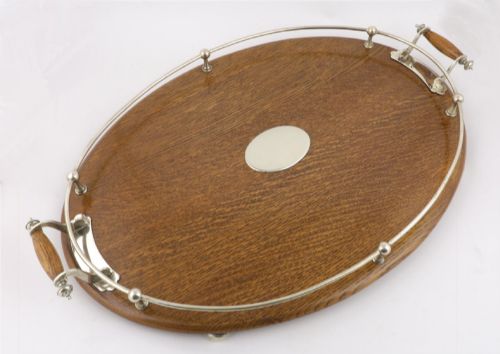
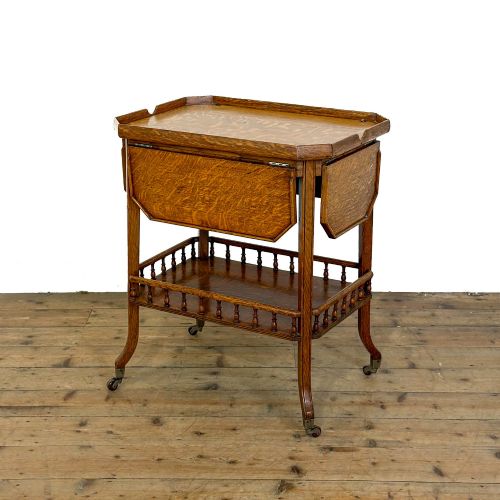
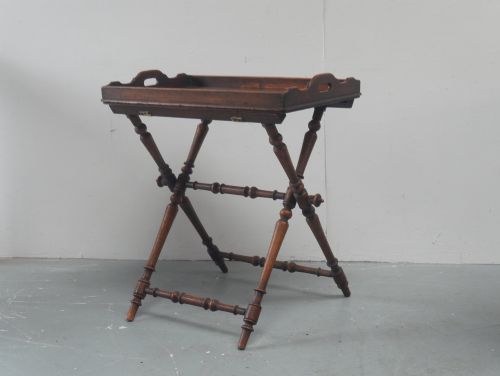
When searching for an antique oak tray, buyers encounter several distinct forms spanning portable serving vessels and folding furniture. The primary category includes traditional butler's trays mounted on folding stands, alongside gallery trays lined with metal mounts.
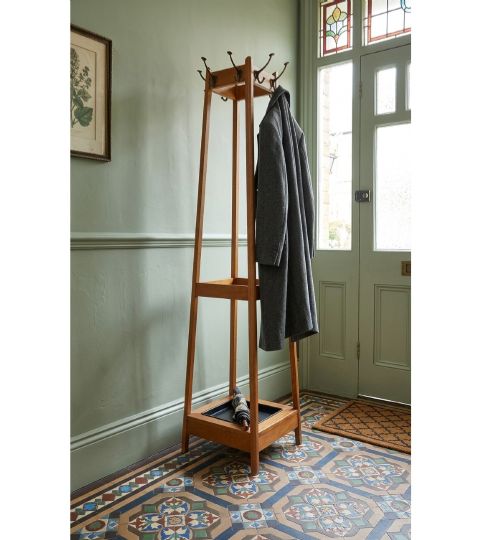
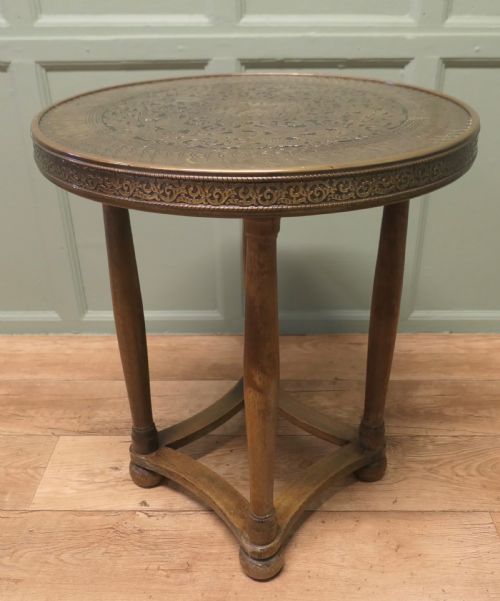
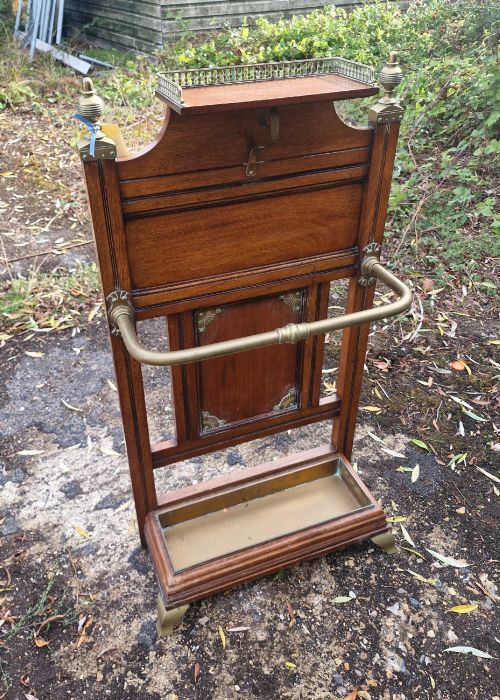
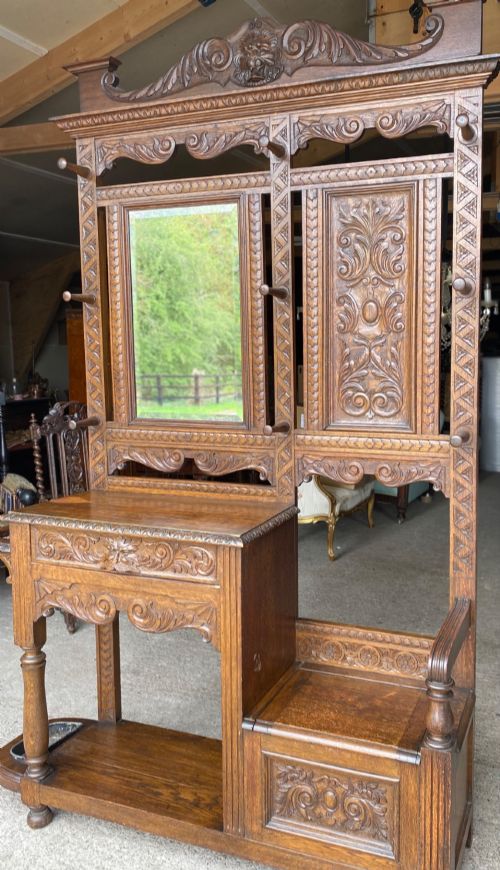
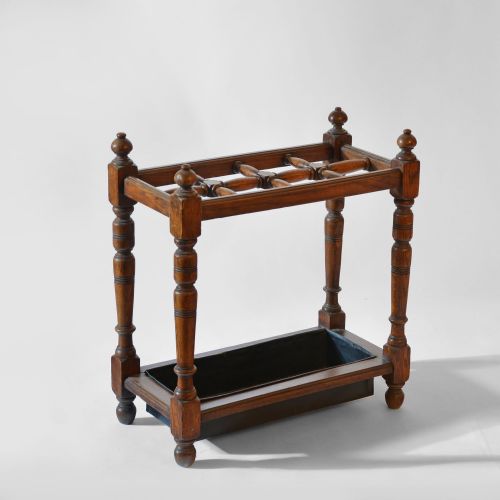
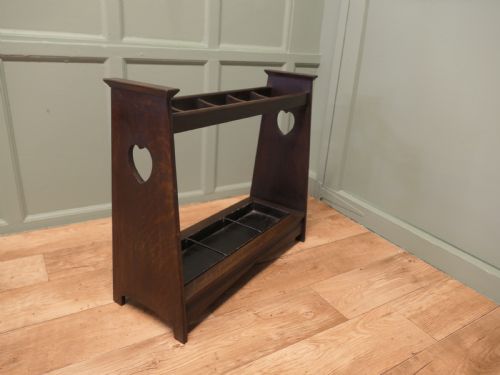
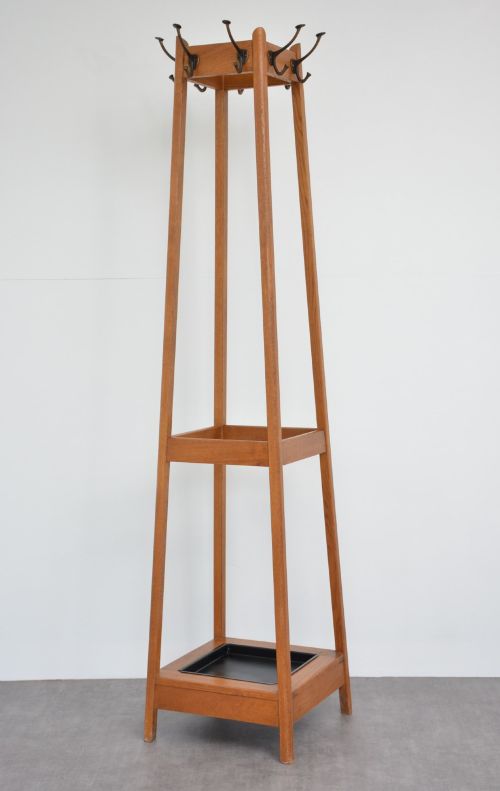
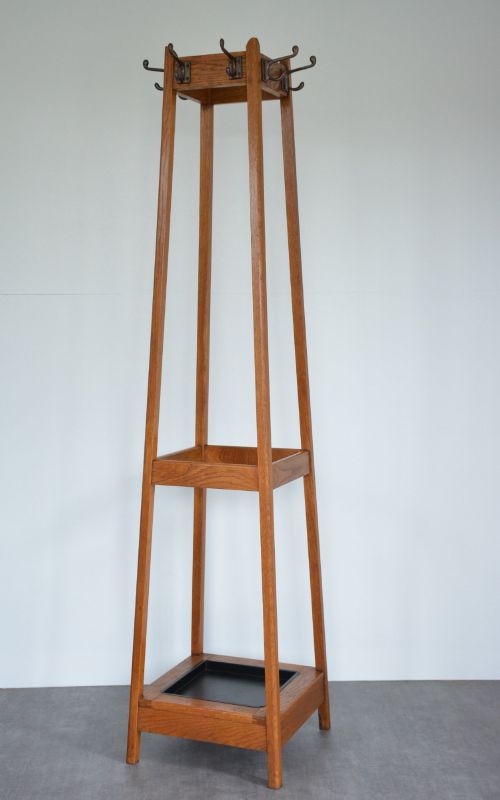
Beyond simple serving platters, the search encompasses related utility pieces such as cutlery trays, occasional tables, and hall stands incorporating tray tops. These objects reflect domestic routines from the nineteenth and early twentieth centuries, particularly Edwardian and Victorian households.
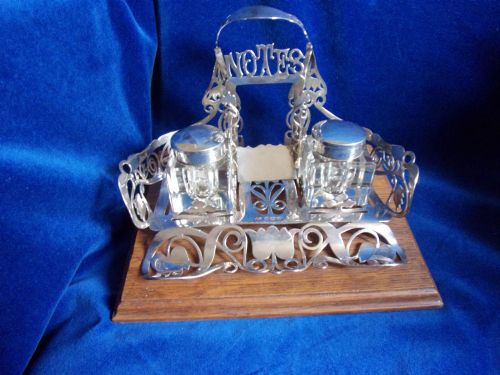
The selection ranges from small desk tidies and pipe trays to substantial cocktail platters and tea trolleys. While many pieces date to the Edwardian and Victorian eras, earlier examples from the Georgian period occasionally surface.
Materials and Construction
Makers relied primarily on solid English oak, frequently selected for durability and pronounced grain patterns, sometimes enhanced through liming or golden staining. Construction methods involved sturdy dovetail joints for smaller carriers and robust mortise and tenon frames for folding stands and trolley tables.
Metal components form a critical part of the construction, with brass, cast iron, and silver plate utilised for gallery rails, handles, and original drip trays. These mixed media pieces combine sturdy wooden bases with decorative metal mounts to withstand daily domestic use.
Antique Oak Tray Retail Price Guide 2026
Typical asking prices for oak tray among the pieces listed under this phrase on Sellingantiques today, from the lower quarter to the upper quarter. They describe what is for sale here now, not the wider market.
Churchwarden pipe trays remind us of an era when gentlemanly evenings involved exceptionally long clay pipes and dedicated wooden rests.
Judging Quality
Quality in these items rests upon the weight of the timber and the crispness of any carved detailing or moulded edges. Finer examples display carefully selected quarter-sawn oak figuring rather than plain utility boards.
Hardware integration distinguishes superior pieces, such as flush-fitting brass hinges, hand-riveted gallery rails, and intact original maker signatures or registration marks. The balance between the tray and its folding stand dictates both stability and functional elegance.
Heals of London·Liberty Design·John Grinsell
The Antique Oak Tray Glossary
- Butler's tray
- A removable wooden serving platter designed to lift off a folding X-frame stand. These items allowed servants to transport provisions from kitchens to dining spaces before resting on the collapsible base.
- Gallery tray
- A serving platter bordered by a raised rim made of pierced metal or turned wood. This enclosure kept glassware and decanters secure during transit.
- Treen
- Small handmade wooden domestic objects produced prior to modern manufacturing. Examples include pipe trays, cutlery troughs, and desk tidies.
- Quarter-sawn oak
- Timber cut radially from the growth rings to produce characteristic medullary ray flecks. This method yields superior stability and a highly decorative surface figure.
- Butler's carry
- A deep wooden box with a central cut-out handle used for moving cutlery or tableware. They pre-date standard compartmentalised canteens.
Antique Oak Tray: Frequently Asked Questions
How are antique butler's trays used today?
These pieces function well as portable coffee table tops or low serving surfaces in modern living rooms. Their removable trays allow for easy clearing and flexible arrangement.
Pairing a traditional folding stand with the tray creates a stable surface for drinks or books. They suit spaces requiring versatile furniture that can be folded away when not in use.
How do I date an antique oak tray?
Dating relies on examining construction techniques, joinery, and accompanying hardware like handles and gallery mounts. Georgian examples tend to feature hand-cut dovetails and deeper, simpler timber boards.
Victorian and Edwardian pieces often incorporate silver-plated galleries, machine-finished oak, or registration marks stamped into the metalwork. Maker plaques or stamps underneath the base also assist with precise dating.
Are these trays water resistant?
Most antique surfaces feature historic wax or polish finishes rather than modern waterproof lacquers. Standing water or spilled drinks can leave marks if left unattended on the oak.
Placing coasters on the timber surface preserves the antique finish while allowing everyday use. Regular waxing helps maintain the wood's natural resistance to minor moisture.