

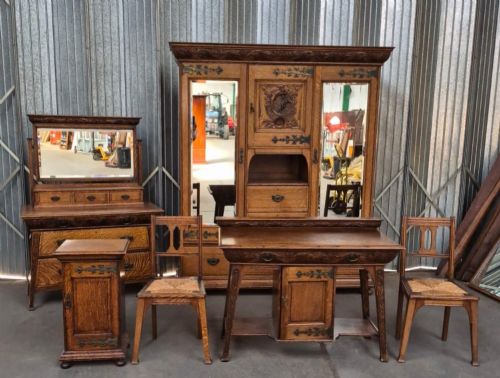
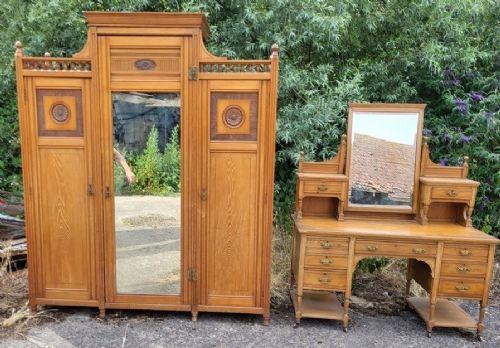
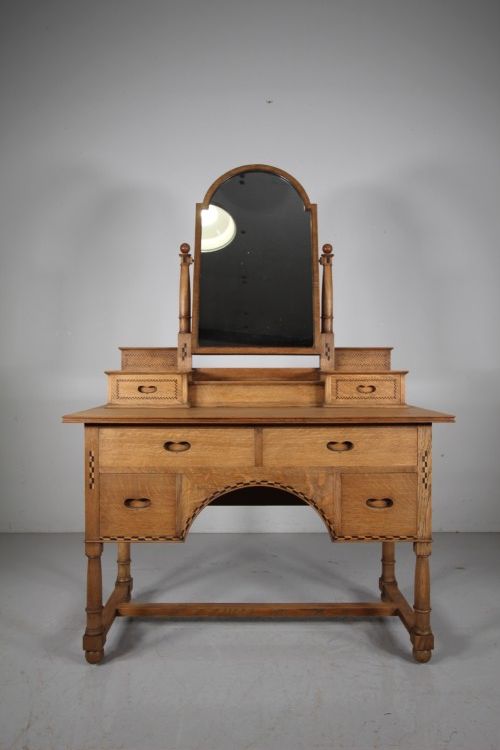
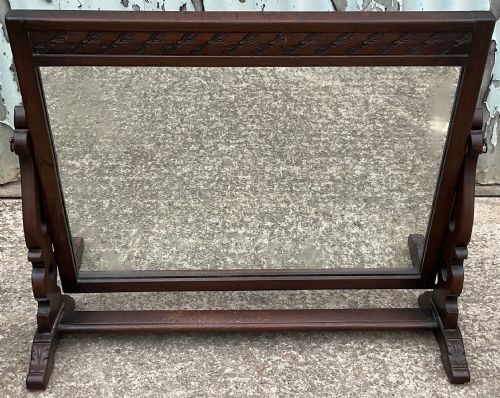
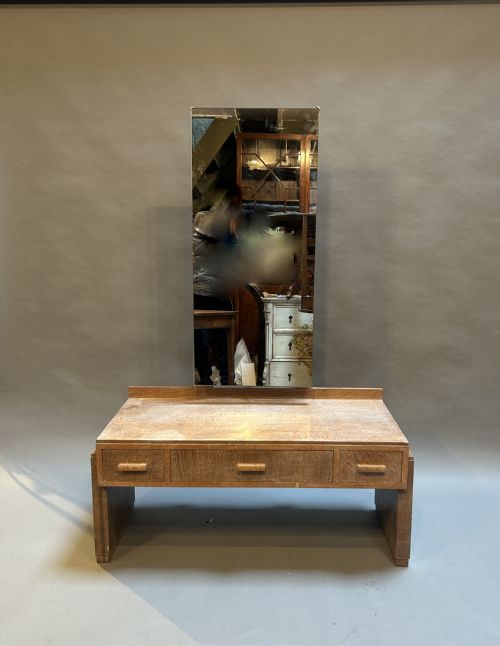
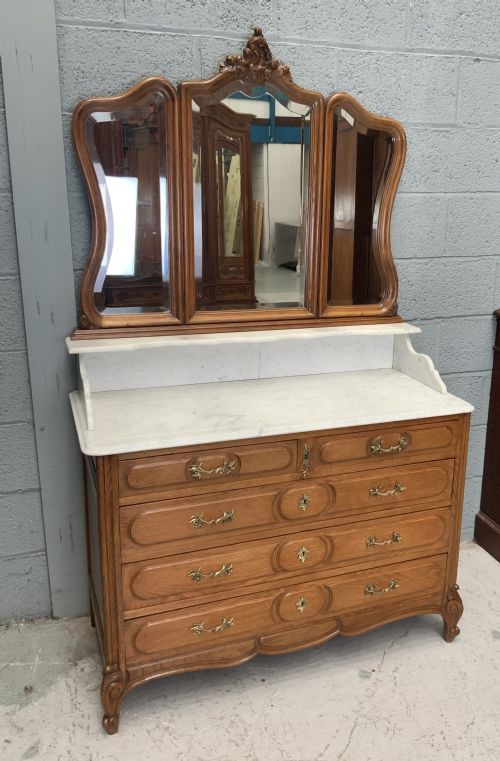

Antique Oak Table Mirror
An antique oak table mirror brings warmth and utility to a room, offering adjustable glass framed in timber dating from the Victorian era onward.
Antique Oak Table Mirror
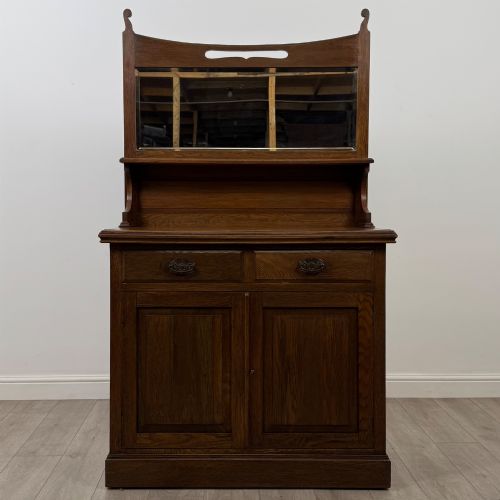
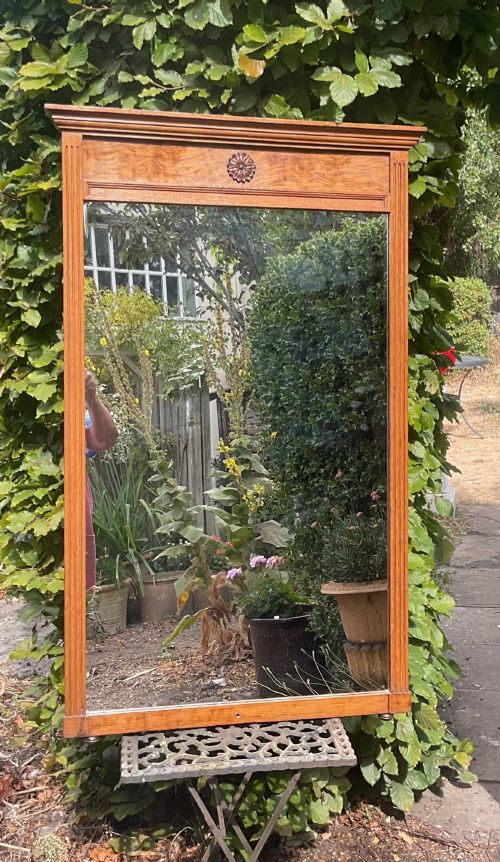
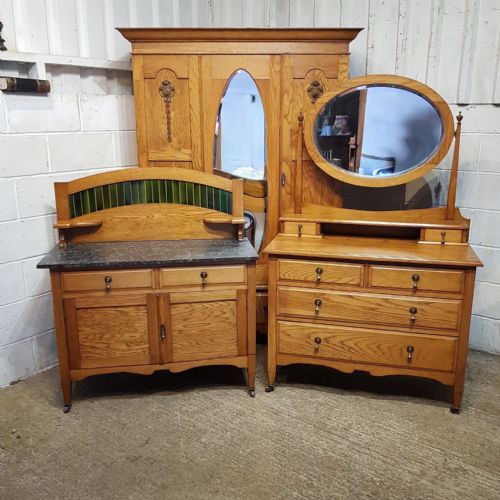
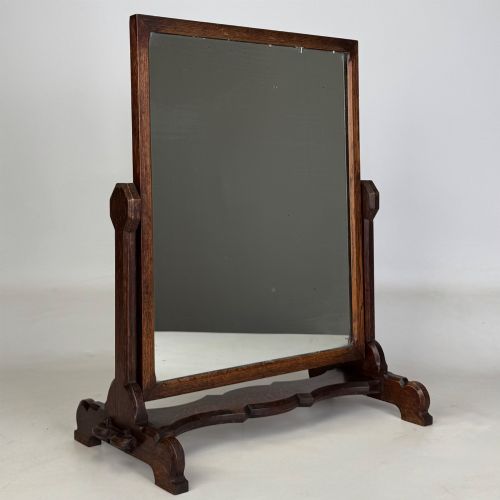
An antique oak table mirror is a compact glass pivoting on a frame, designed to sit upon a chest of drawers, dressing table or sideboard. When searching for an antique oak table mirror, buyers meet pieces spanning the late nineteenth century through to the Art Deco period, alongside Edwardian and Arts and Crafts examples.
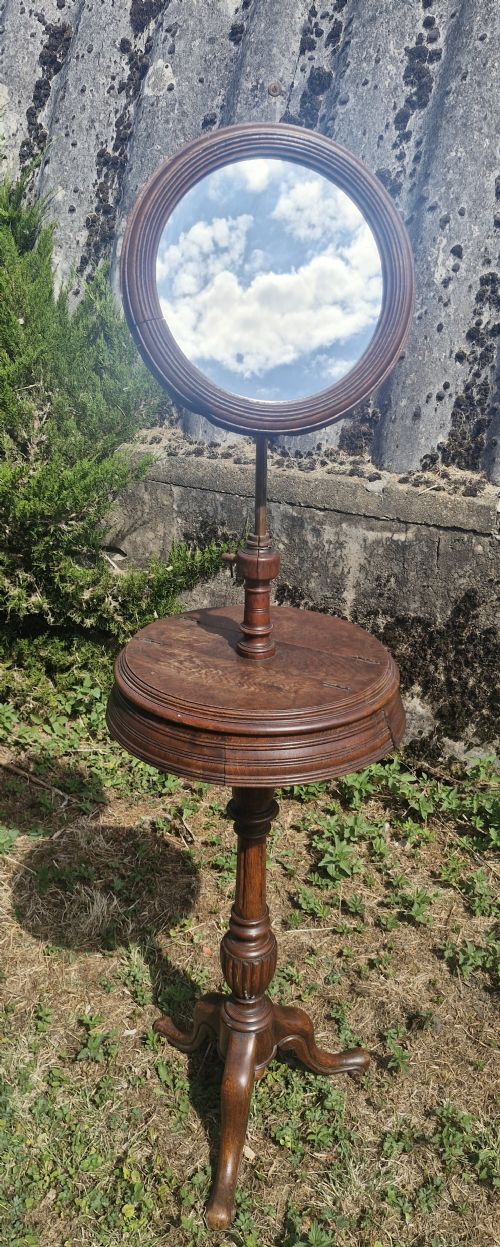
Most items encountered on this page combine golden or blonde timber with adjustable brass brackets or wooden uprights. Forms range from simple toilet mirrors to larger dressing chest attachments and swivel shaving stands.
Materials and construction
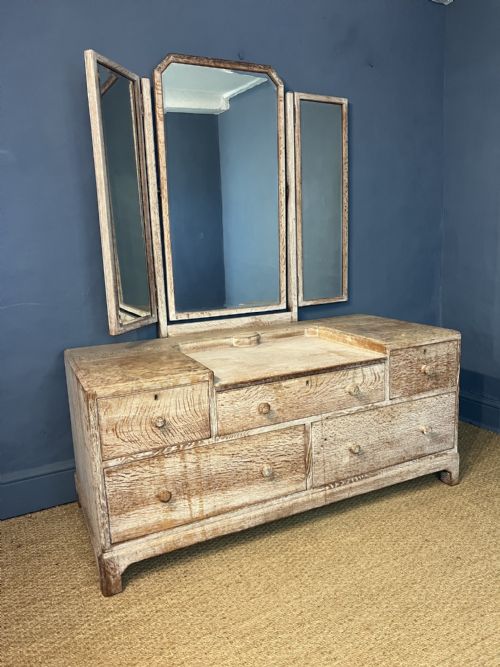
Makers constructed these mirrors using solid oak and occasionally oak ash, often left in a natural golden tone or treated with limed finishes during the 1930s. Frames and supports rely on traditional joinery, whilst brass brackets, screws and hinges enable the glass to tilt.
Carving, wood inlay and marquetry appear on pieces influenced by the Arts and Crafts movement or Art Deco design. Glass plates are typically bevelled at the edges and secured within rebated frames behind wooden backs.
Some Victorian dressing stands doubled as shaving stations complete with hidden surfaces to catch runaway lather.
Judging the standard of a mirror
Quality rests in the weight and selection of the timber, the crispness of any hand-carved detail, and the substantial nature of the brass hardware used for the pivots. Superior examples display thoughtful proportions where the frame balances the optical weight of the glass.
The integrity of the original mirror glass and the tightness of the joints determine whether a piece retains its structural honesty. Workshop execution ranges from mass-produced commercial items to bespoke Arts and Crafts commissions with pegged joints and subtle mouldings.
Heals·Shapland and Petter·George Walton·Harris Lebus·James Shoolbred
The Antique Oak Table Mirror Glossary
- Toilet mirror
- A small mirror designed to stand upon a dressing chest or table, often featuring pivoting arms attached to upright supports.
- Shaving stand
- A specialist piece incorporating an adjustable mirror, frequently accompanied by a small shelf or drawer for shaving paraphernalia.
- Limed oak
- A finish produced by applying a white or pale pigment to oak grain, popular in modernist and Art Deco furniture of the 1930s.
- Arts and Crafts
- A design movement prioritising honest construction, visible joinery, and craft production over mass-manufactured ornamentation.
Antique Oak Table Mirror: Frequently Asked Questions
How do I date an antique oak table mirror?
Dating relies on stylistic clues, construction methods, and the type of fixings holding the glass. Arts and Crafts pieces often show exposed pegged joints, whereas 1930s examples display cleaner geometric lines.
Hardware also offers guidance, as solid brass screws and heavy brackets point towards earlier Victorian manufacture, whilst simpler hinges indicate twentieth-century production.
Were these mirrors made to stand alone?
Many smaller toilet mirrors were manufactured specifically to sit independently on top of existing chests of drawers or sideboards. Larger iterations were frequently detached from dressing chests during later house moves.
Standalone versions feature finished wooden backs and sturdy integrated feet designed to remain visible from all angles in a bedroom or hallway.
What is the difference between Edwardian and Art Deco oak mirrors?
Edwardian mirrors frequently draw upon earlier revivals, displaying carved foliage, brass accents, and traditional proportions. They often accompany matching bedroom suites in golden oak.
Art Deco mirrors embrace streamlined forms, sometimes utilising limed oak finishes or marquetry inlay with minimal ornamentation to suit modern interwar interiors.
How should I care for an antique oak frame?
Maintenance requires keeping the timber away from direct heat sources and sudden humidity changes to prevent the oak from splitting. Periodic application of a traditional beeswax feed helps nourish the grain.
Glass cleaner should be applied sparingly to a cloth rather than sprayed directly onto the mirror plate, avoiding moisture seepage behind the silvered backing.