




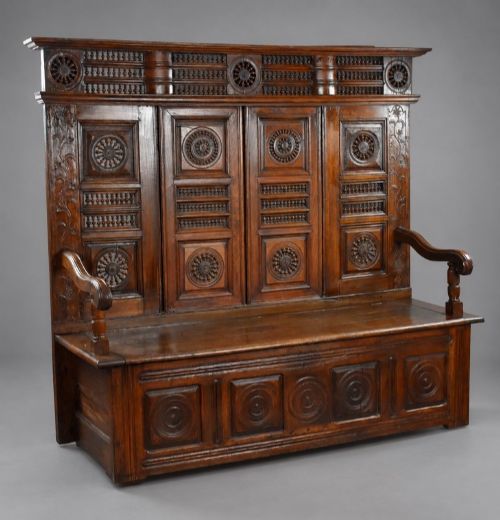
Antique Oak Style Coffer
An antique oak style coffer grounds a hallway or living space while offering substantial hidden storage for blankets and household linens.
Antique Oak Style Coffer
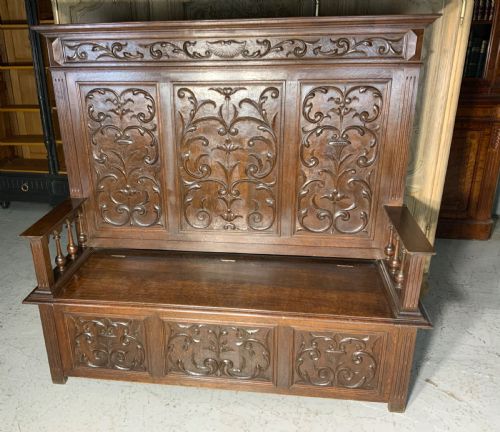
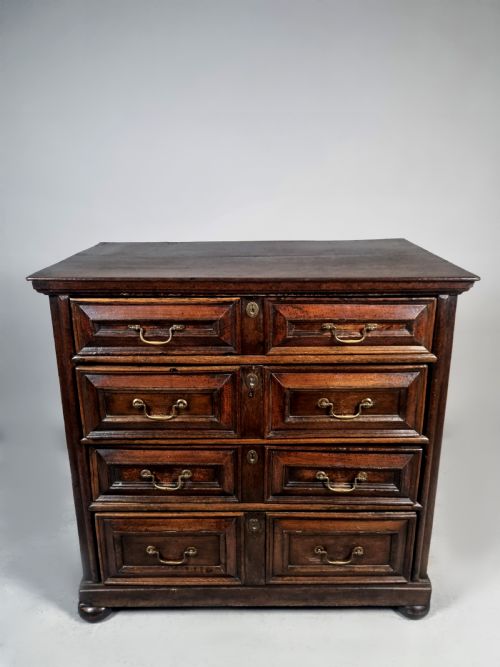
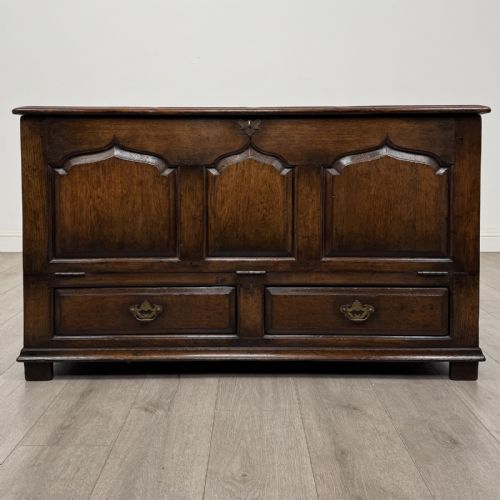
An antique oak style coffer is a heavy storage chest, often found alongside related forms such as mule chests, box stools, and settles dating from the seventeenth century through to the twentieth century.
The pieces appearing here span centuries of craftsmanship, ranging from medieval and sixteenth-century examples up to Jacobean revival pieces produced in the 1920s and 1930s.
Makers utilised solid oak predominantly, sometimes incorporating elm or walnut, alongside iron and brass hinges, locks, and binding.
Materials and Construction
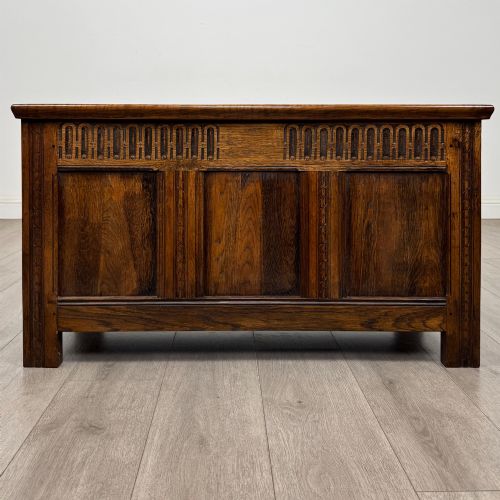
Carpenters constructed these chests using solid oak, frequently applying panelled techniques to accommodate the natural expansion and contraction of timber over decades of use.
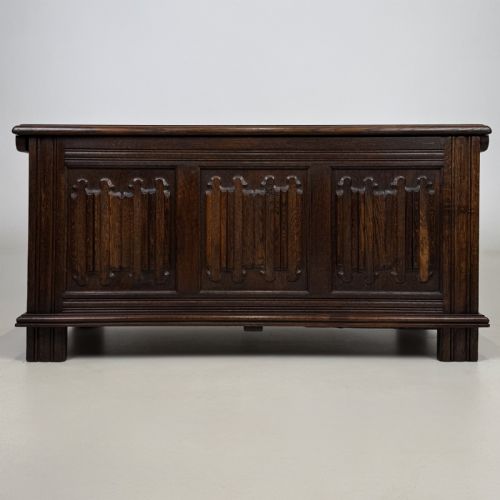
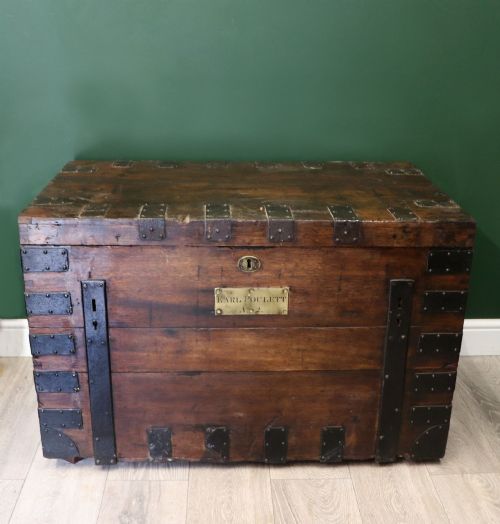
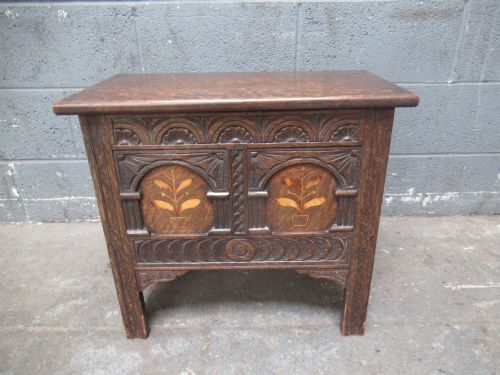
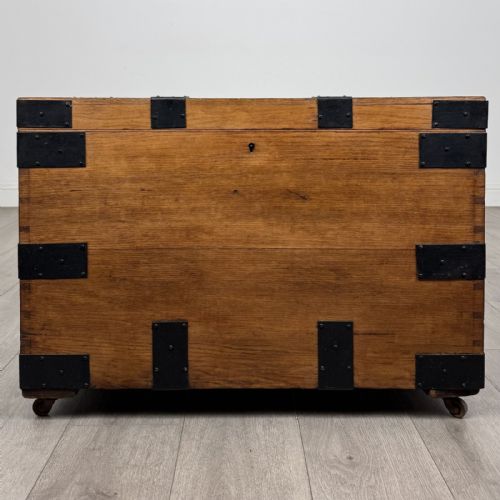
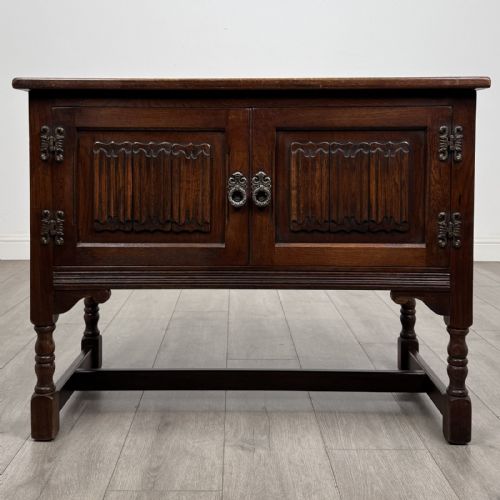
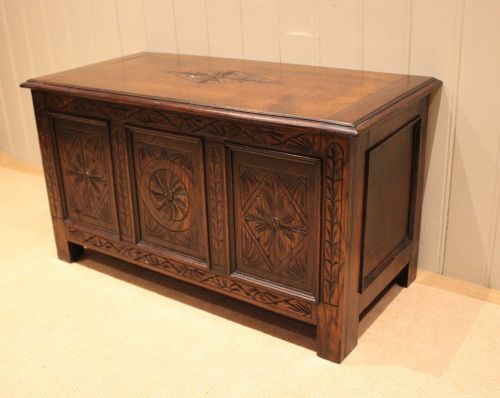
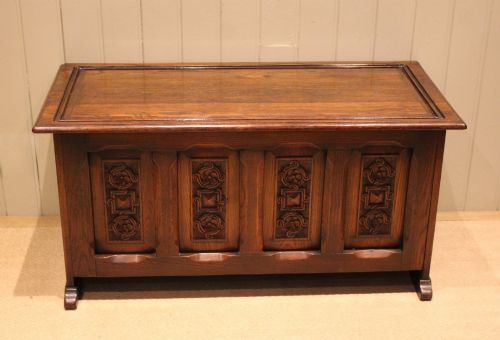
Decoration relied on hand carving, showing linenfold motifs, figural medallions, and Green Man carvings, complemented by wrought iron straps and metal binding on utilitarian trunks.
Antique Oak Style Coffer Retail Price Guide 2026
Typical asking prices for oak style coffer among the pieces listed under this phrase on Sellingantiques today, from the lower quarter to the upper quarter. They describe what is for sale here now, not the wider market.
Listings feature oak alongside iron, brass, walnut, ebonised wood, and elm across periods ranging from the 16th century to the 1930s.
Judging Quality
Proportion and timber selection dictate the hierarchy of these chests, with denser grain patterns and heavier timber sections separating utilitarian boxes from ambitious country house pieces.
The crispness of the hand-carved decoration and the integrity of the original joints, feet, and ironwork distinguish authentic period construction from later revival interpretations.
The Antique Oak Style Coffer Glossary
- Coffer
- A large wooden chest used historically for storing valuables, documents, or clothes. These pieces often feature hinged lids and sturdy rectangular bodies.
- Mule chest
- A storage chest that incorporates one or more drawers beneath the main lift-top compartment. This form emerged as domestic storage needs evolved.
- Linenfold
- A style of carved wooden panelling that resembles folded fabric or stiff linen. It appears frequently on Tudor and Jacobean revival furniture.
- Settle
- A wooden bench with a high solid back and enclosed storage beneath the seat. High-backed versions offered protection from draughts in older homes.
- Ironbound
- A descriptive term for chests reinforced with heavy wrought iron straps and bands. These additions provided structural strength and security.
Antique Oak Style Coffer: Frequently Asked Questions
What is an antique oak style coffer used for?
These pieces served historically to store valuables, linen, and clothing securely within domestic settings. Today, they function well as blanket boxes at the foot of a bed or as storage furniture in a hallway.
Their robust flat lids also allow them to double as occasional benches or low tables depending on their height and proportions.
How do I tell an 17th century coffer from a 1920s revival piece?
Authentic seventeenth-century examples display timber movement, hand-pegged joinery, and wear patterns consistent with centuries of domestic use. Revival pieces made in the 1920s often utilise machinery cuts alongside simulated historical carving styles.
Examining the underside, hinges, and interior surfaces helps reveal the actual age and manufacturing methods of the timber.
What woods are used in these chests?
Solid oak is the primary material found across the majority of these pieces, celebrated for its durability and prominent grain pattern. Some examples incorporate elm, walnut, or ebonised wood for contrast.
Hardware elements such as iron and brass appear frequently as hinges, locks, and structural corner brackets.
How do I care for an antique oak coffer?
Keep wooden furniture away from direct heat sources and sudden temperature fluctuations to prevent the oak from splitting or warping. Applying traditional beeswax periodically helps nourish the timber and maintain a soft natural sheen.
Avoid using modern silicone-based polishes that can build up on the carved surfaces over time.