







Antique Oak Pilasters
Antique oak pilasters bring architectural weight and rich grain into a room, offering genuine historical depth for panelled walls or bespoke furniture schemes.
Antique Oak Pilasters
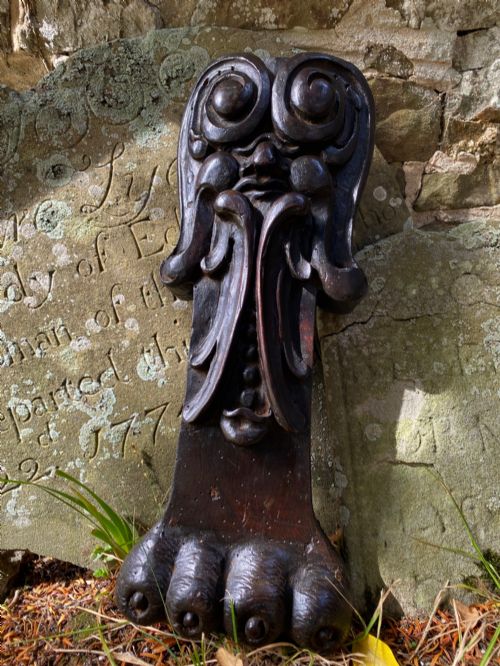
When you search for antique oak pilasters, you are looking at architectural elements and architectural carvings fashioned to project slightly from a wall or furniture facade. The pieces appearing here span from the 17th century through the Victorian period, including examples styled in the Jacobean and Flemish Renaissance traditions.
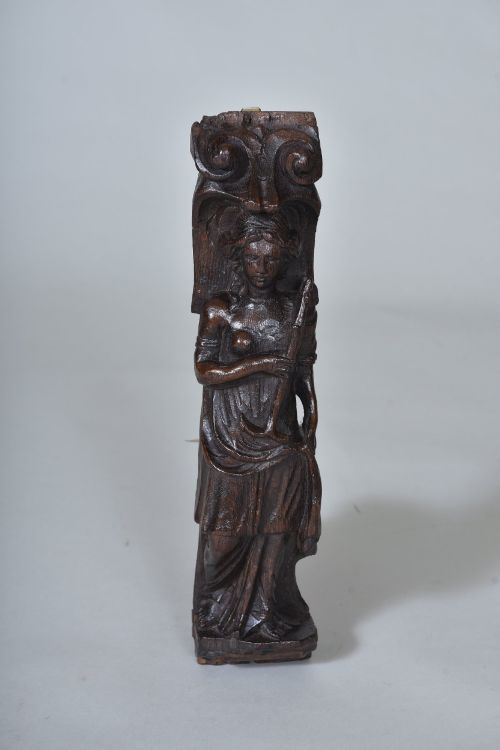
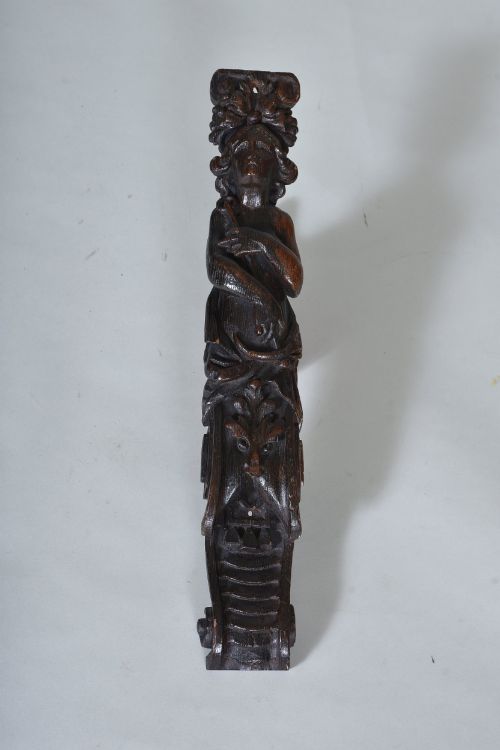
The selection encompasses architectural salvage and standalone wood carvings, including figural representations such as caryatids. These items originate from periods ranging from the seventeen hundreds back to the seventeen-hundred-fifties and seventeen-seventies, reflecting diverse historical design movements like the Georgian and Classical styles.
What varies in quality
The integrity and maturity of the oak timber itself dictate the calibre of the piece. Dense grain patterns and well-preserved structural surfaces elevate examples from standard architectural salvage to exceptional decorative items.
Antique Oak Pilasters Retail Price Guide 2026
Typical asking prices for oak pilasters among the pieces listed under this phrase on Sellingantiques today, from the lower quarter to the upper quarter. They describe what is for sale here now, not the wider market.
Current listings span the seventeenth century through the Victorian era, featuring oak, dark oak, and brass materials across architectural salvage and furniture forms.
The Antique Oak Pilasters Glossary
- Caryatid
- A carved female figure serving as an architectural support taking the place of a column or a pilaster. Examples on this page include single figures of ladies with folded arms.
- Capital
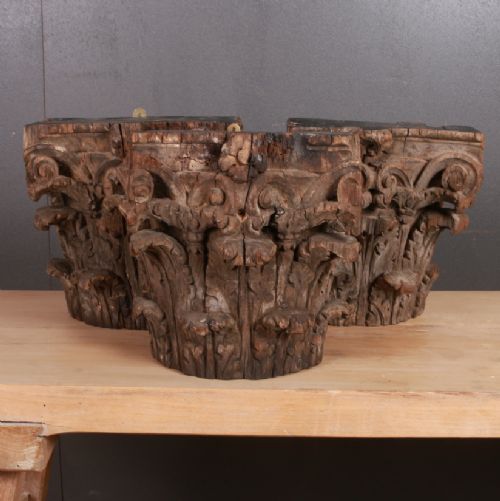
- The uppermost member of a column or pilaster, mediating between the column and the load resting upon it. Sets of carved capitals appear frequently in architectural salvage.
- Jacobean
- A style of English architecture and furniture design spanning the early seventeenth century. It is characterised by solid construction and geometric or strapwork carving.
Antique Oak Pilasters: Frequently Asked Questions
Where were oak pilasters used originally?
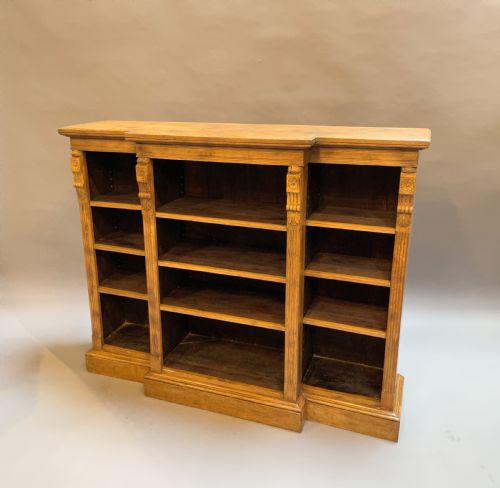
These elements adorned grand interior walls, chimneypieces, and the facades of substantial bookcases or cabinetry. They provided structural framing while displaying the wealth and taste of the owner through elaborate wood carving.
Over time, many of these architectural components were salvaged from period properties during renovations or demolition. This allows modern collectors to repurpose them as decorative wall mounts or integrate them into bespoke interior projects.
How do I date an antique oak carving?
Dating relies on analysing the tool marks left by the craftsman, the colour and patina of the oak, and the stylistic vocabulary of the period. Seventeenth-century pieces often display deeper, heavier relief work and hand-split timber characteristics.
Later Victorian interpretations of Jacobean or Flemish Renaissance styles tend to show different machine-assisted preparation methods combined with hand-finishing. Comparing the specific carving depth and motifs helps establish the chronological origin.
Can I mount these pilasters on a modern wall?
Mounting requires assessing the weight of the solid oak timber and ensuring appropriate fixings are used to secure the piece safely. Many architectural salvage fragments possess flat backs or pre-existing fixing points that facilitate straightforward installation.
Consulting a professional framer or architectural installer ensures the timber is supported correctly without causing structural damage to the antique surface. Proper placement highlights the grain and depth of the original hand-carving.
What is the difference between oak and dark oak items?
Natural oak exhibits a lighter, warm straw or honey tone that deepens gradually with exposure to light and air over centuries. Dark oak often results from historical finishing treatments, wax applications, or the natural ageing process of heartwood exposed to specific environments.
Both variants share the same dense cellular structure and durability inherent to the species. The choice between them depends entirely on the existing interior palette and the surrounding furniture.