
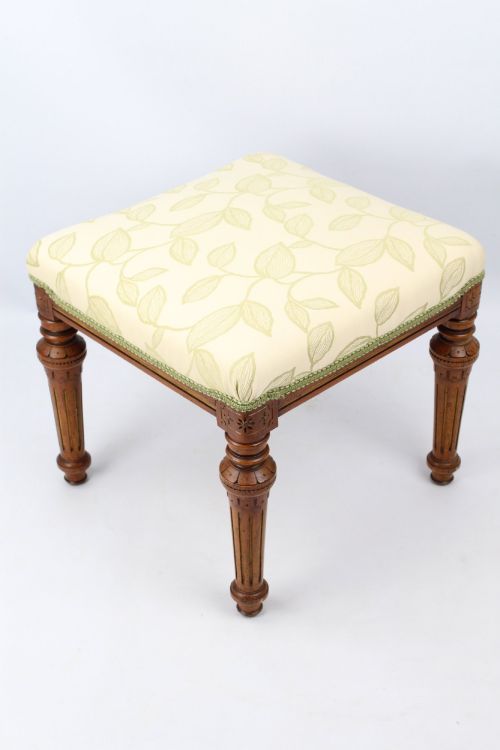
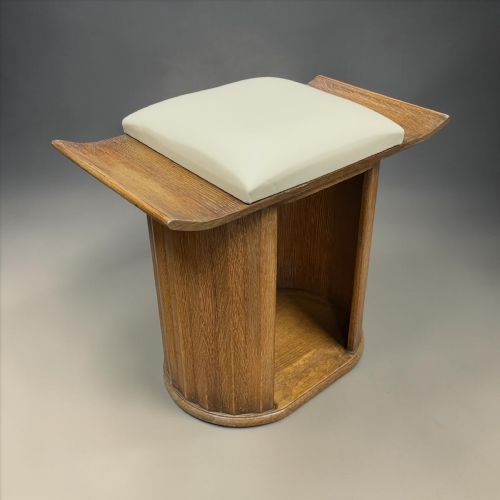


Antique Oak Piano Seat
An antique oak piano seat offers sturdy construction and period character, bringing practical seating and traditional craft to a music room or study.
Antique Oak Piano Seat
An antique oak piano seat combines heavy timber frames with functional mechanics designed for musicians, spanning from mid-nineteenth century examples to later twentieth century variations. Buyers seeking an antique oak piano seat will encounter pieces ranging from plain country swivel stools to carved Arts and Crafts designs.
The selection includes rotating seats, duet benches, and height-adjustable music chairs utilising timber alongside leather, fabric, and iron components. Victorian and Edwardian examples dominate the forms, reflecting the domestic musical habits of the period.
Materials and construction methods
Construction relies heavily on solid oak and assorted hardwoods, shaped through traditional joinery and detailed with carving or parcel gilt accents. Metal mechanisms in brass and iron provide the rotating and height-adjusting functions seen in patent music chairs.
Listings feature oak, ash, and hardwood frames complemented by leather, brass, iron, and fabric elements across Victorian and Art Deco styles.
Assessing quality and distinction
Quality separates simple utility furniture from pieces exhibiting refined carving, French influence, or complex mechanical ingenuity like swivel and patent height adjustments. The sophistication of the timber work and the integrity of the original hardware dictate the standing of each piece.
Regional vernacular items display rustic charm through simpler Ash and oak construction, whereas revival styles showcase ambitious decorative detailing on the wooden frames.
The Antique Oak Piano Seat Glossary
- Patent music chair
- A nineteenth-century seating design incorporating mechanical adjustments for height or tilt, intended specifically for musicians. These pieces often utilise iron and brass components within the timber frame.
- Duet stool
- A wider bench format designed to accommodate two players simultaneously at a piano. These longer seats frequently feature upholstered tops in leather or tweed linen.
- Swivel stool
- A rotating seat allowing the pianist to pivot freely during performance. The mechanism typically relies on a central threaded iron screw concealed beneath the oak top.
- Parcel gilt
- A decorative technique where specific carved details on the oak frame receive a thin application of gold leaf. This highlights particular motifs against the dark timber ground.
Antique Oak Piano Seat: Frequently Asked Questions
What is an antique oak piano seat?
An antique oak piano seat is a solid timber stool or bench built to provide stable, comfortable seating for a pianist. These pieces often include mechanical adjustments for height or rotation.
They date from the nineteenth and early twentieth centuries, reflecting various historical styles from Victorian industrial to Arts and Crafts.
How do adjustable piano seats work?
Adjustable piano seats typically use a central screw mechanism that allows the wooden top to rotate and raise or lower. Iron and brass components inside the frame facilitate this smooth movement.
Patent music chairs from the late nineteenth century introduced clever mechanical linkages to alter the height and angle of the seat.
Where were these piano seats used?
These seats were primarily placed beside upright and grand pianos in domestic parlours, music rooms, and teaching studios. Their sturdy oak construction suited the daily rigours of musical practice.
Today, buyers frequently repurpose them as dressing table stools or occasional seating in studies and hallways.
How do I identify Victorian piano seats?
Victorian piano seats often display dense oak frames, heavy carving, or industrial cast iron hardware associated with patent designs. The presence of period upholstery materials like green leather or tweed linen helps date the piece.
Stylistic markers range from strict revival motifs to utilitarian country swivel designs dating from the mid-nineteenth century onwards.