



Antique Oak Model
These antique oak model pieces range from miniature chairs to ship cannons, offering collectors tangible fragments of historical craftsmanship and domestic scale.
Antique Oak Model
When you search for antique oak model items, you encounter a diverse collection spanning miniature furniture, agricultural equipment, and maritime artillery. These objects represent both domestic ingenuity and specialised workshop displays from past centuries.
The material focus centres firmly on oak, often paired with elm, beech, brass, and iron to replicate the structural integrity of full-sized counterparts. Pieces date primarily from the nineteenth century, alongside examples from the eighteenth century and early twentieth century.
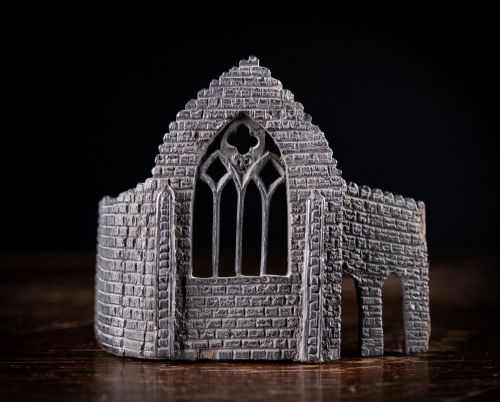
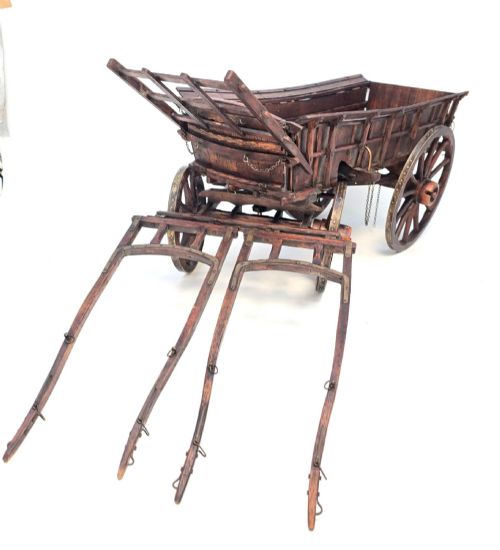
You are most likely to meet utilitarian forms and decorative representations, including apprentice pieces, architectural models like Ely Cathedral, and farm equipment such as hay carts and ploughs. These diverse formats reflect the varied motivations of their original makers.
Materials and construction methods
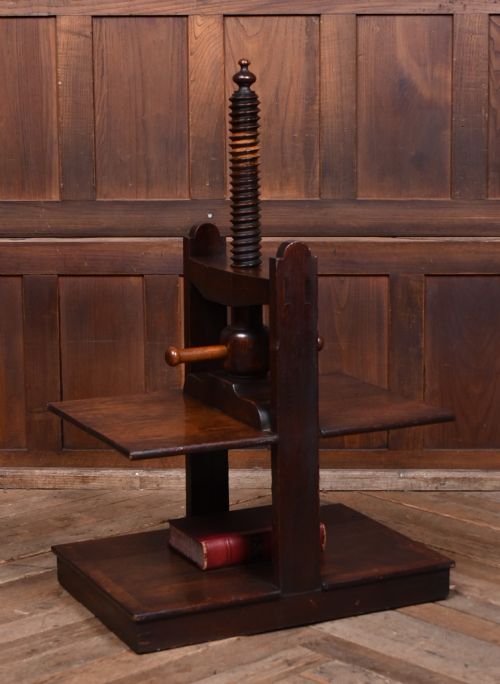
Makers utilised solid oak alongside contrasting timbers like elm and beech to construct these miniature forms. Metal components such as iron, brass, and steel were incorporated for functional elements, particularly on cannons, book presses, and carts.
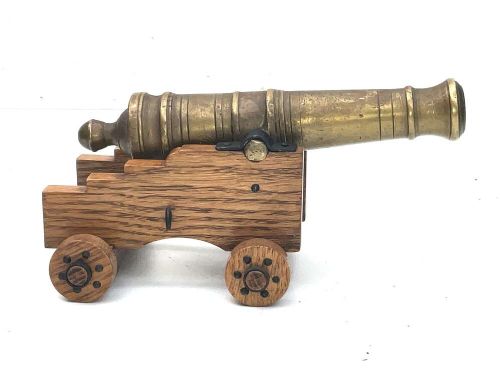
Hand carving and traditional joinery dominated the production of wooden elements, requiring precise scale reduction by craftsmen or apprentices. Metal parts involved casting and turning, visible in the construction of signal cannons and railway coal wagon humidors.
Antique Oak Model Retail Price Guide 2026
Typical asking prices for oak model among the pieces listed under this phrase on Sellingantiques today, from the lower quarter to the upper quarter. They describe what is for sale here now, not the wider market.
Listings demonstrate materials including oak, elm, beech, brass, iron, and steel across nineteenth-century and early twentieth-century periods.
Judging the quality of the work
Proportion and fidelity to the original subject dictate the visual success of each piece. Superior examples demonstrate rigorous attention to structural detail, whether representing architectural monuments or agricultural machinery.
The integration of mixed media, such as pairing carved oak with turned brass or cast iron, reveals the ambition of the maker. Finer items maintain structural integrity across delicate miniature components without relying on excessive modern adhesives.
The Antique Oak Model Glossary
- Apprentice piece
- A small-scale item created by a trainee craftsman to demonstrate mastery of joinery and carving techniques before admission to a guild.
- Signal cannon
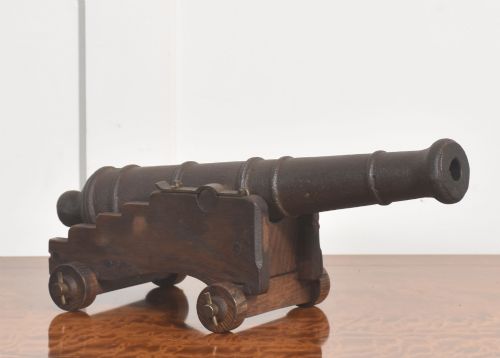
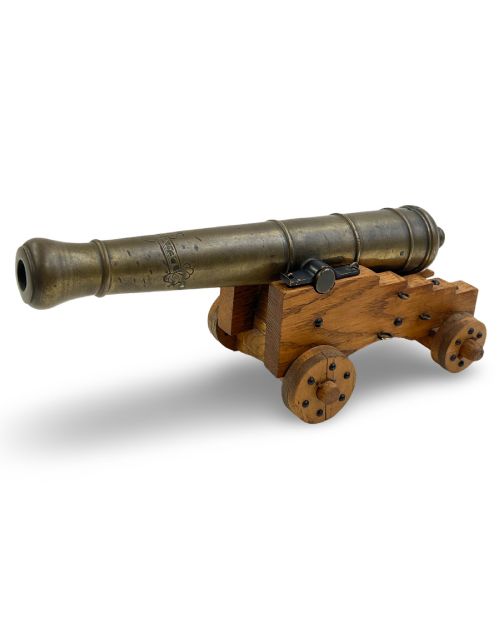
- A small-calibre ordnance piece fired on vessels or estates to signal time or events, often mounted on timber carriages.
- Windsor chair
- A traditional seating form featuring a solid wooden seat into which the back and legs are directly wedged.
Antique Oak Model: Frequently Asked Questions
What is an apprentice piece?
An apprentice piece is a miniature demonstration of skill created by a young craftsman learning his trade. These items allowed makers to prove their proficiency in complex joints and carving before qualifying.
They often took the form of small chairs or chests that mirrored full-sized household furnishings exactly.
How were model cannons used?
Signal cannons served practical communication functions on ships or large country estates. They produced loud reports to mark hours, signal distress, or celebrate occasions.
Mounted on timber carriages made of oak or metal, these functional miniatures were built to withstand actual charges of gunpowder.
Why did makers build agricultural models?
Agricultural models served as working prototypes, display pieces, or domestic ornaments reflecting rural industries. Craftsmen replicated farm hay carts and ploughs to document machinery or showcase specialised woodworking skills.
These items capture the heavy reliance on agrarian technology during the nineteenth and early twentieth centuries.
How do I date an oak model?
Dating relies on identifying the style of the construction, the tooling marks left on the timber, and associated materials like cast iron or brass. Nineteenth-century examples often combine machine-cut elements with hand finishing.
Comparing the form to known full-sized furniture styles from Georgian or Victorian periods helps establish a reliable timeline.