

Antique Oak High Chair
An antique oak high chair brings solid timber and historic form into a room, offering both children's seating and a robust piece of domestic history.
Antique Oak High Chair
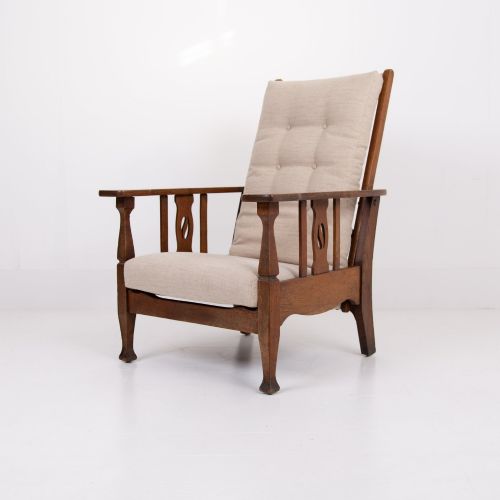
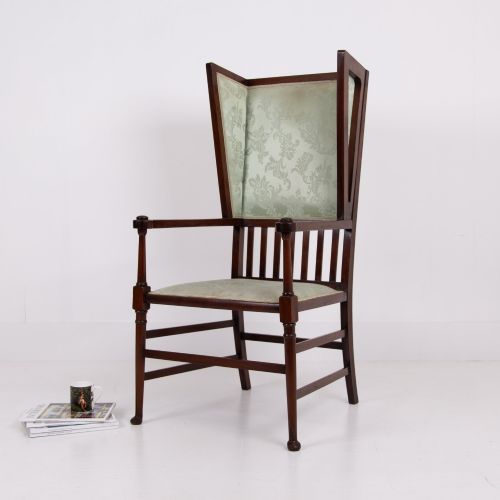
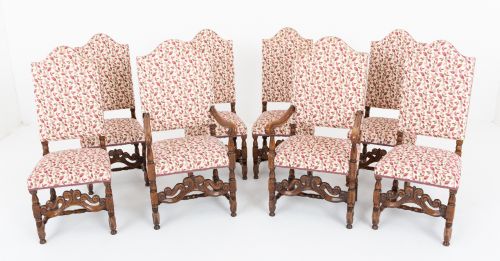
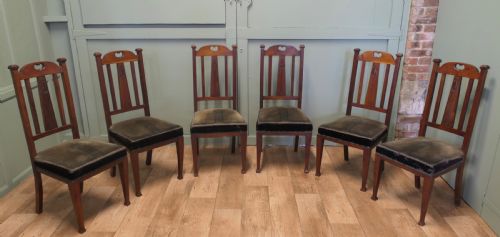
Makers utilised resilient timber to build practical seating for domestic settings, resulting in pieces that combine heavy framing with utilitarian purpose. While the archive shows broader categories of oak seating, the structural integrity required for children's high chairs remains evident in the solid joints and heavy stretchers found across the selection.
Materials and construction methods
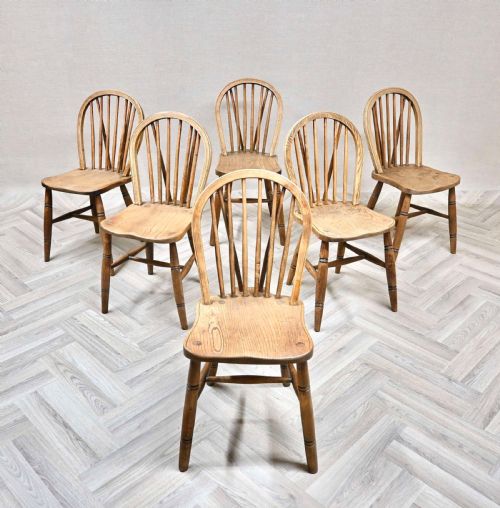
Carpenters relied primarily on oak, complemented by secondary timbers such as elm, ash, and beech for spindles and structural supports. Joinery depended on traditional mortise and tenon joints secured with wooden pins, ensuring the heavy timber frames could withstand daily use.
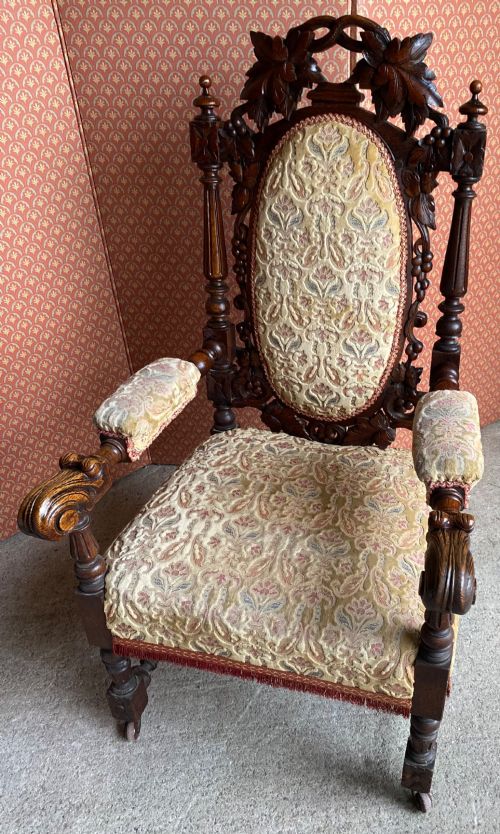
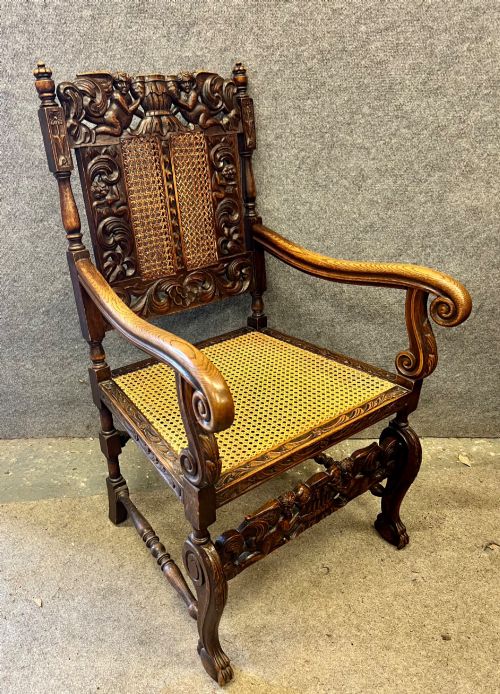
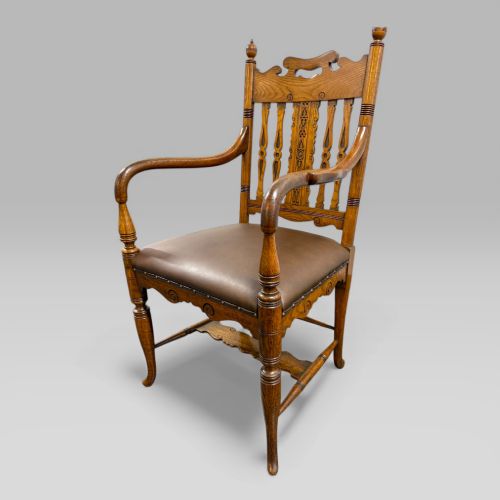
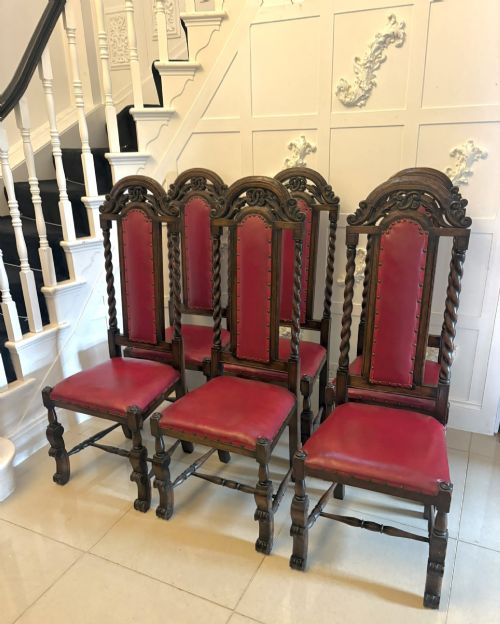
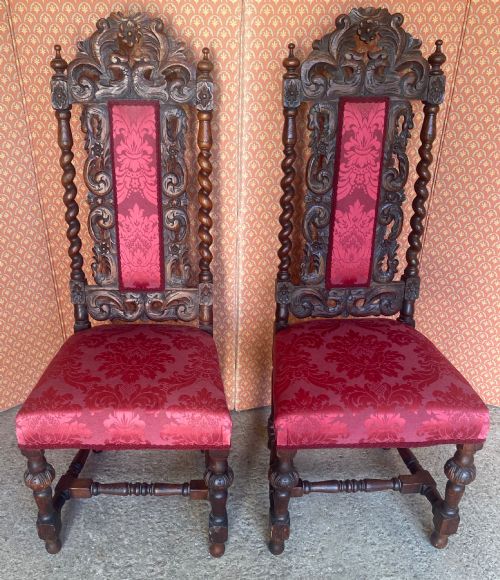
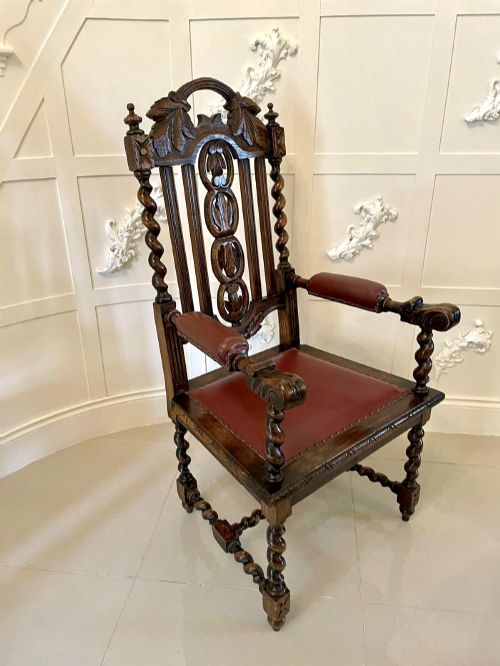
Surface detailing often involved turning on a lathe to create barley twist legs or spindles, alongside hand-carved motifs in revival styles like Jacobean or Carolean. Metal brass fixtures occasionally appear in hinges or fasteners, while upholstery utilises leather, fabric, or velvet where padding is present.
Some chairs incorporate tiny carved wooden dogs hiding beneath the armrests, watching over the floor below.
Distinctions in craftsmanship
Quality rests upon the selection of timber grain and the precision of the joinery rather than surface ornamentation alone. Superior examples display dense, quarter-sawn oak with medullary rays, indicating careful log preparation that prevents excessive warping over time.
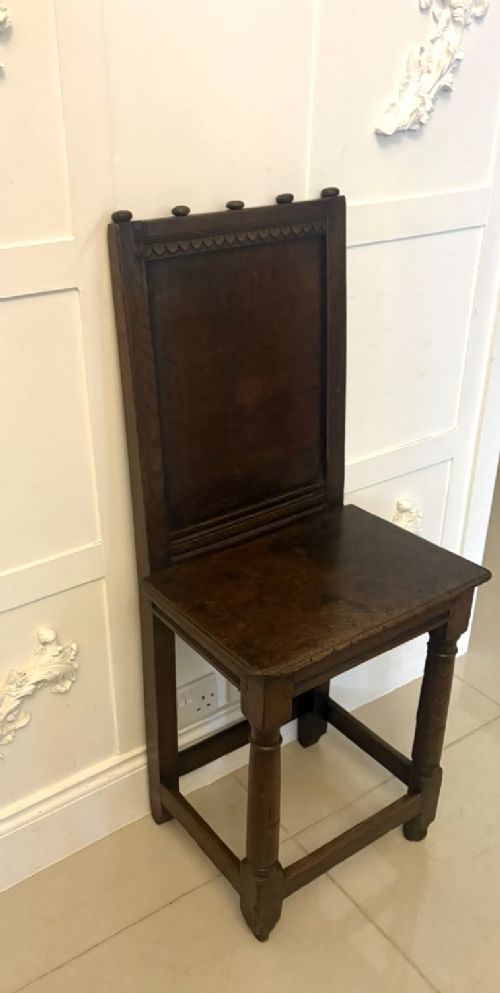
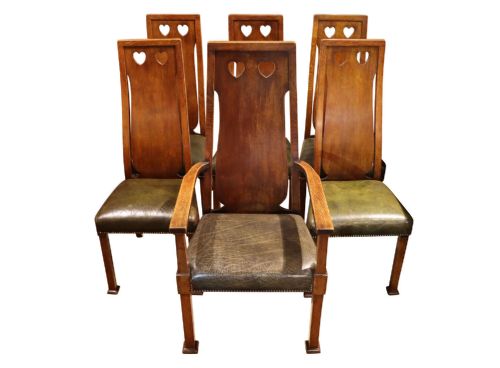
The integration of carved elements also separates standard utilitarian items from finer workshops. Crisp, deep relief carving on top rails and back panels reflects deliberate hand work, whereas lesser pieces rely on shallow machine routing or later additions.
Gillows·Bruce James Talbert·Goodyers London·M. D. Miller and Sons·Liberty Morris and Co
The Antique Oak High Chair Glossary
- Barley twist
- A type of woodturning shaped like a spiral rope, frequently found on the legs and stretchers of Victorian and Edwardian oak furniture. This decorative technique added visual movement to heavy timber frames.
- Mortise and tenon
- A fundamental woodworking joint where a protruding tongue fits snugly into a corresponding cavity to lock pieces together at right angles. This method provides exceptional strength without relying on modern adhesives.
- Quarter-sawn
- A method of cutting logs radially from the centre to produce boards with enhanced dimensional stability and prominent grain figuring. Oak prepared this way displays distinctive flecks known as medullary rays.
- Carolean style
- A revival design aesthetic emulating the ornate furnishings of the late seventeenth century, characterised by high carved backs and scrollwork. Pieces in this style often feature crown and cherub motifs.
- Spindle
- A slender, rounded piece of wood turned on a lathe, used in rows to form backs or underframing. They provide lightweight structural support in Windsor and farmhouse chairs.
Antique Oak High Chair: Frequently Asked Questions
How do I date an oak chair?
Dating relies on examining the construction marks, tool methods, and stylistic revival cues present in the woodwork. Machine-sawn timber and uniform components usually point towards nineteenth or twentieth-century production.
Earlier pieces show hand-riven surfaces, irregular peg placements, and signs of wear consistent with centuries of domestic service. Comparing the turning style to known period examples helps narrow down the decade of manufacture.
Are these chairs suitable for daily use?
Solid oak construction provides immense structural strength, making these chairs remarkably durable for everyday seating. Their heavy timber frames handle regular weight distribution without losing stability.
Buyers should ensure that joints remain tight and that any historical repairs are stable before putting them into service. Using appropriate leather or wood balms helps maintain the condition of the original finish.
What is Jacobean revival style?
Jacobean revival furniture imitates the heavy, dark-finished oak designs popular during the early seventeenth century. Makers in the nineteenth and twentieth centuries resurrected these solemn aesthetics for dining and reception rooms.
Characteristics include geometric moulding, panelled backs, and sturdy rectangular framing with minimal curving. This heavy look suited formal Victorian and Edwardian interiors aiming for historical gravity.
How do I maintain antique oak?
Maintaining antique oak requires keeping the timber away from direct heat sources and sudden humidity changes to prevent splitting. Regular dusting with a dry cloth keeps abrasive particles from settling into the grain.
Applying a traditional beeswax polish periodically nourishes the wood and preserves its natural sheen without building up heavy chemical residues. Avoid modern silicone sprays, as they penetrate the pores and complicate future conservation.