

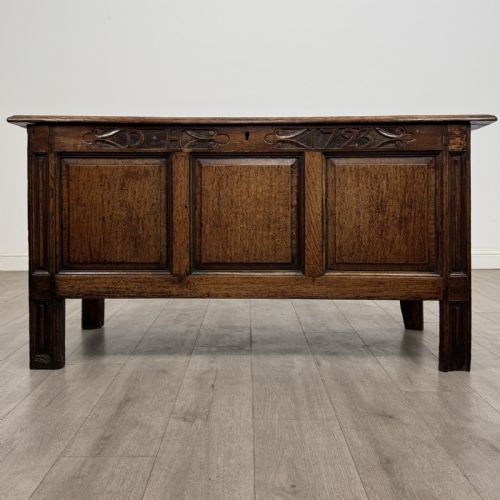
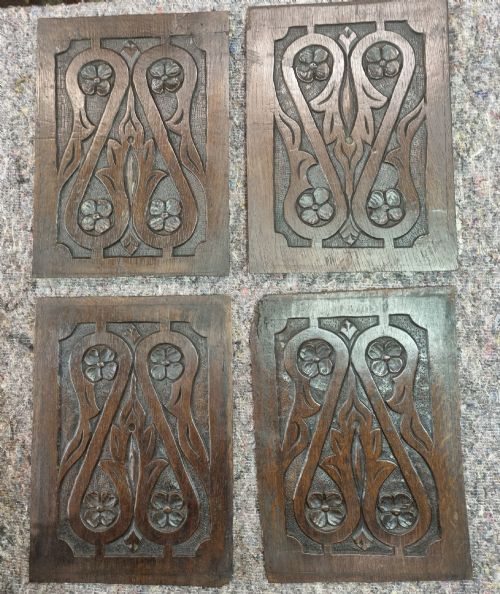
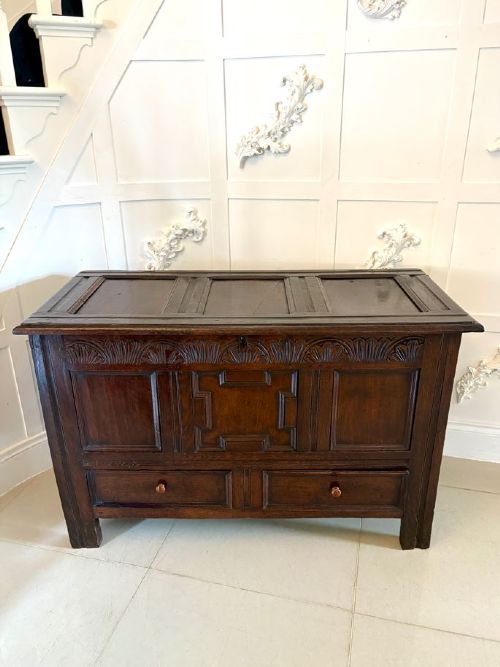
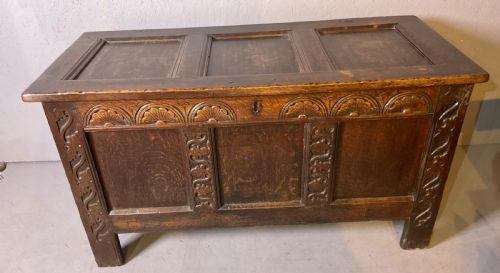


Antique Oak Frieze Panel
An antique oak frieze panel brings structural architectural history straight into a modern interior through deep hand-carved relief work.
Antique Oak Frieze Panel
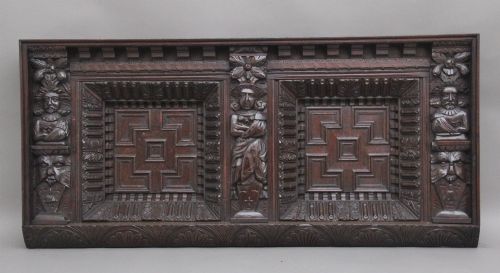
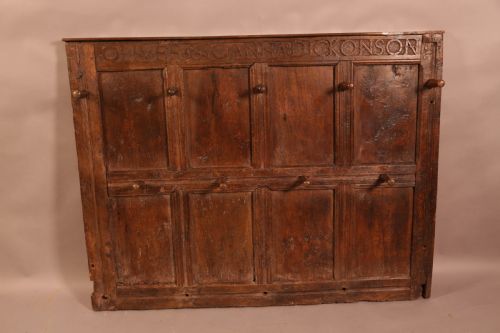
When you search for an antique oak frieze panel, you are looking at architectural salvage salvaged from historic interiors, wall panels, and large storage pieces like coffers, chests, and mule chests. These elements typically originate from the sixteenth, seventeenth, and eighteenth centuries, bearing the heavy influence of Tudor, Jacobean, and Baroque design traditions.
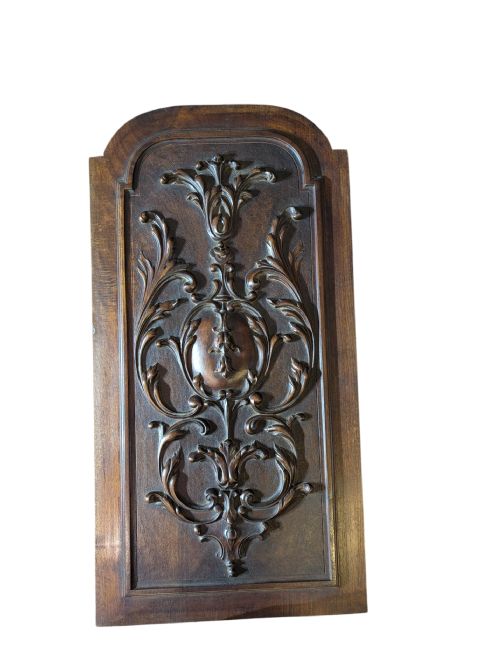
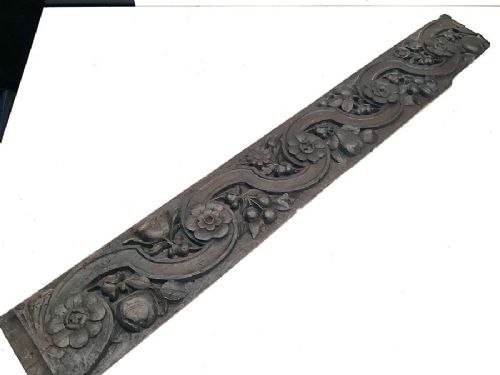
The versions you are most likely to meet on this page include long horizontal architectural friezes, overmantles, and carved panels removed from larger seventeenth-century English and continental furniture. They range from formal geometric strapwork to figurative scenes, armorials, and gothic tracery fragments.
Many of these panels function independently today as wall art, mounted securely to display the depth of the timber and the crispness of the original chisel work. Their original context as part of a grand room scheme or storage chest gives them a distinct historical gravity.
Materials and construction
Carpenters and joiners worked primarily in solid timber, utilising heartwood oak alongside occasional walnut for high-status commissions. This material was seasoned thoroughly before being shaped with hand axes, saws, and planes.
Carving was executed entirely by hand using gouges and chisels to create deep relief, sometimes enhanced with paint or leaf gilding to catch the candlelight in dimly lit rooms. Structural joints on associated chests relied on pegged mortise and tenon construction, occasionally reinforced with wrought iron or brass hardware.
Antique Oak Frieze Panel Retail Price Guide 2026
Typical asking prices for oak frieze panel among the pieces listed under this phrase on Sellingantiques today, from the lower quarter to the upper quarter. They describe what is for sale here now, not the wider market.
Listings span multiple centuries, ranging from pre-sixteenth century gothic fragments to Georgian oak furniture.
Evaluating the craftsmanship
The distinction between ordinary architectural salvage and exceptional carving lies in the confidence and depth of the maker's hand. Superior examples display crisp undercut details, fluid movement in figurative or floral motifs, and a well-preserved surface texture developed over centuries.
The integrity of the timber also dictates the standard of the piece, with tightly grained oak holding sharper carved edges than softer or more degraded material. Pieces that retain traces of original paint or gilding offer a scarcer survival of early interior decoration.
Edward Pearce
The Antique Oak Frieze Panel Glossary
- Frieze panel
- A decorative horizontal band of timber, typically carved in relief, positioned near the ceiling of a room or along the upper section of a substantial piece of furniture.
- Overmantle
- A large carved panel or architectural assembly designed to sit directly above a fireplace opening.
- Strapwork
- A decorative motif popular in Tudor and Jacobean design, resembling flat intersecting leather bands or interlaced ribbons carved into the wood.
- Tracery
- Openwork ornamentation in stone or timber, featuring intersecting ribs that form geometric patterns, frequently seen in gothic fragments.
- Mule chest
- A storage chest featuring one or more drawers in the base beneath the main compartment, combining the function of a coffer with drawer storage.
Antique Oak Frieze Panel: Frequently Asked Questions
How were frieze panels used originally?
These panels were built into the upper portions of timber-framed rooms or integrated into the facades of large storage chests to display wealth and craftsmanship.
Over time, many survived as architectural salvage when older buildings were dismantled or remodeled.
Can I hang a heavy oak panel on a modern wall?
Mounting requires secure fixings directly into wall studs or masonry because solid oak timber carries considerable weight.
Professional framing or heavy-duty brackets ensure the panel remains stable without damaging the historic wood.
How do I date an old carved panel?
Dating relies on analyzing the tool marks left by hand chisels, the oxidation of the oak, and the stylistic vocabulary of the carving.
Tudor and Jacobean motifs like guilloche, strapwork, and specific floral patterns provide clear chronological markers.
What is the difference between a coffer and a mule chest?
A coffer is a simple storage chest accessed entirely from a hinged lid at the top, used primarily for textiles and valuables.
A mule chest incorporates one or more drawers beneath the main box section, evolving during the seventeenth and eighteenth centuries for easier access.