



Antique Oak Figure Carvings
Antique oak figure carvings bring centuries of devotion, mythology and craftsmanship into a room through solid timber shaped by hand.
Antique Oak Figure Carvings
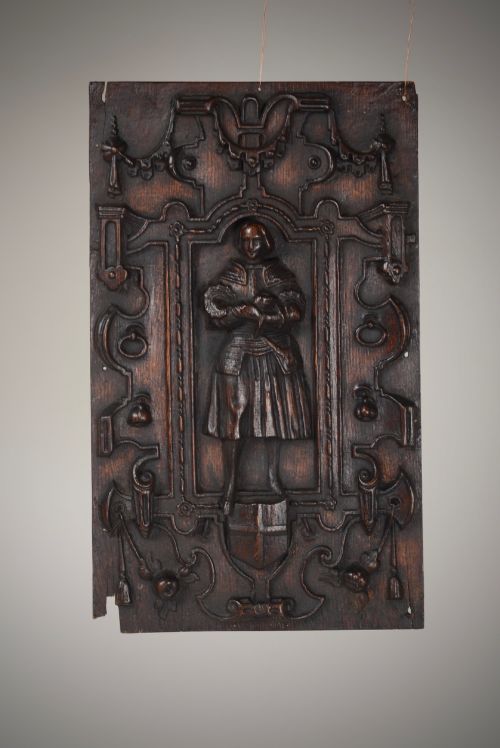
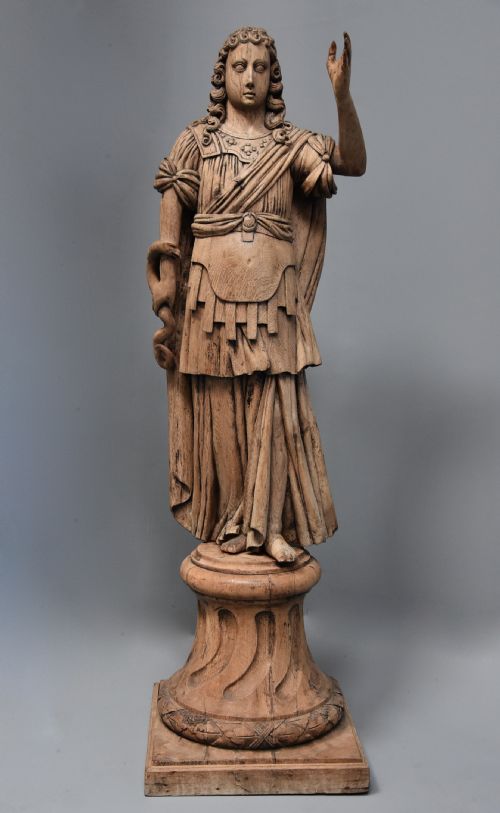
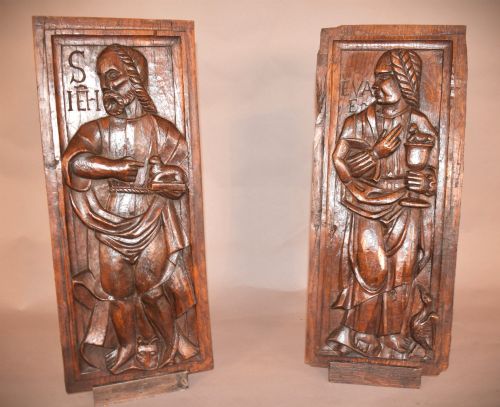
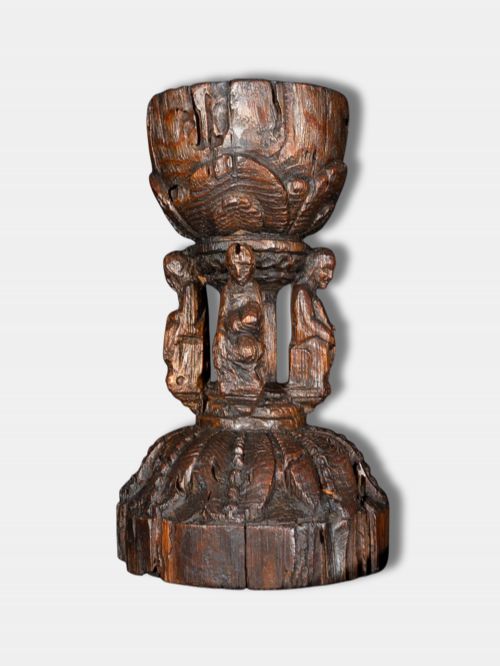
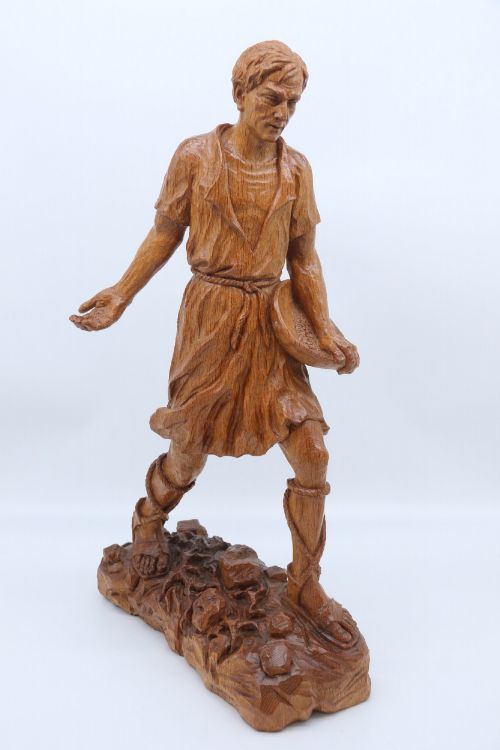
When searching for antique oak figure carvings, collectors look at solid wood sculptures, religious saints, architectural fragments and mythological beasts spanning from the medieval period through the nineteenth century. The examples most frequently encountered on this page originate from the sixteenth, seventeenth and eighteenth centuries, often taking the form of standalone statues, wall panels or ecclesiastical reliefs.
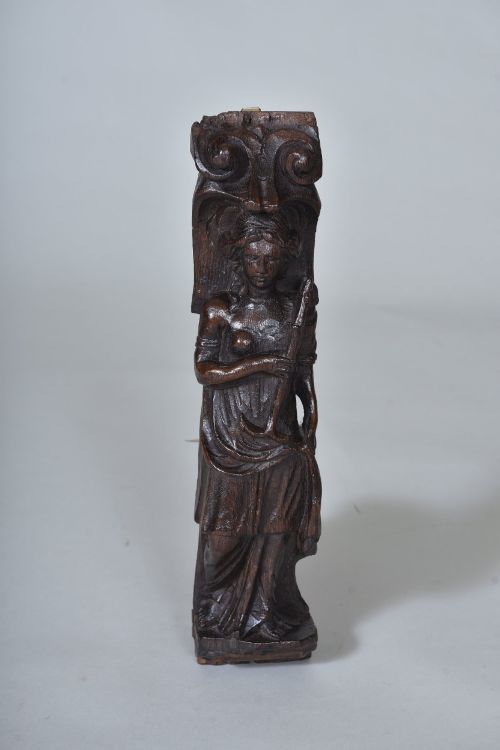
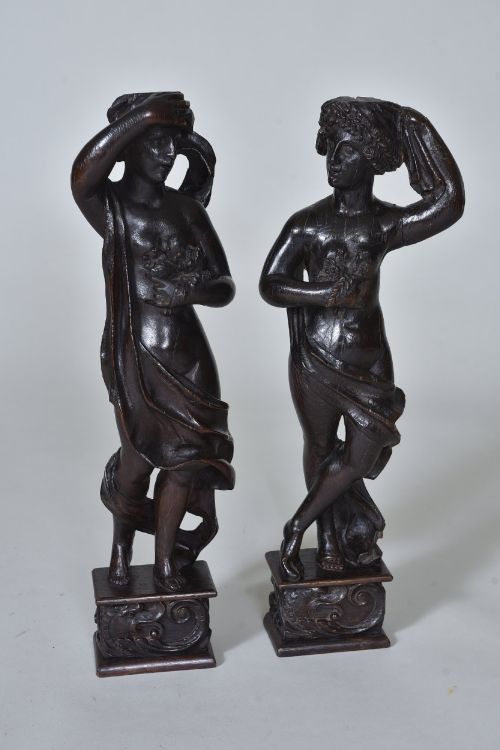
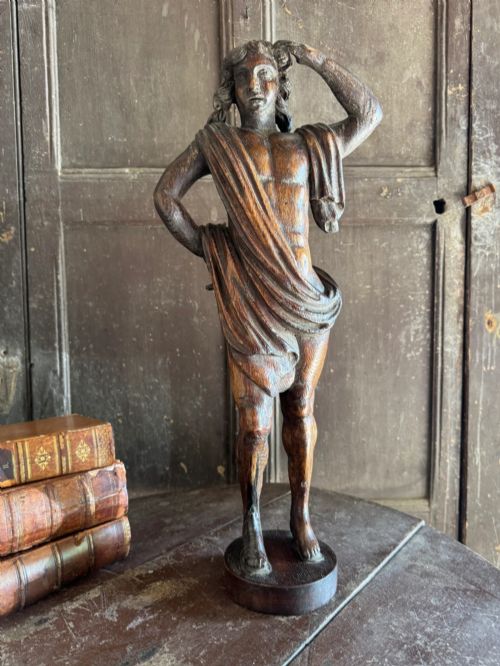
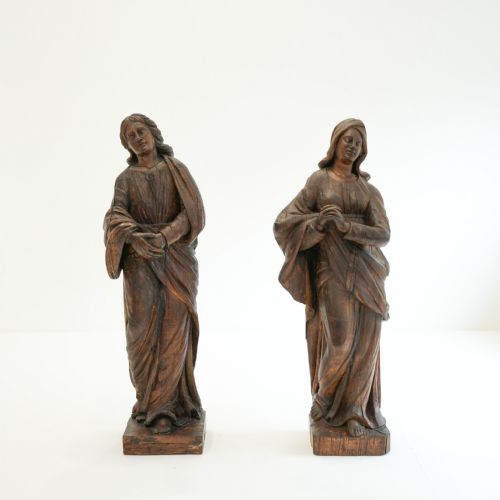
The subjects range from Gothic donor figures and Flemish caryatids to classical deities and regional saints like Saint Jerome and Saint Paul. Many pieces survive as fragments from larger architectural schemes or church altarpieces, retaining the heavy grain and dark patination accumulated over centuries of age.
Materials and carving techniques
The makers relied primarily on domestic and continental oak, alongside general hardwoods and carved wood, selected for its dense grain and durability in large architectural sculptures. Artisans shaped these timbers using gouges and chisels to create deep relief panels, freestanding statues and terminal figures.
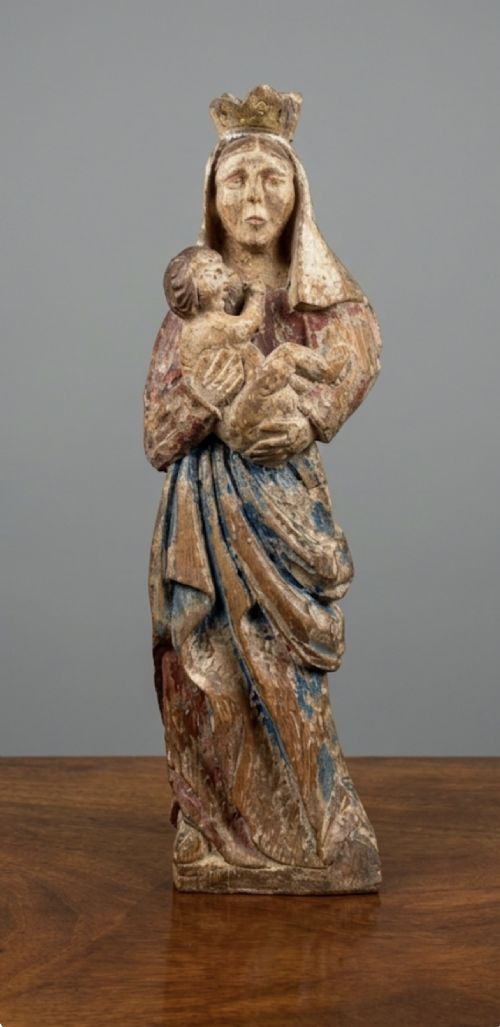
Some works received surface treatments including polychrome paint and gilding to enhance the vestments of saints or the details of animals, though many now show bare timber shaped by centuries of handling.
Listings span from pre-sixteenth century Gothic works up to nineteenth-century Arts and Crafts figures in oak, hardwood and polychrome paint.
Assessing quality in antique carvings
Quality rests on the depth of the carving and the vitality of the posture, distinguishing a fluid sculptural study from a stiff provincial output. The handling of drapery, facial expression and hands separates masterful renaissance and gothic work from basic decorative pieces.
The preservation of original surface textures, whether traces of old polychrome paint or the natural oxidisation of the oak, dictates the integrity of the piece. Proportion, anatomical conviction and the crispness of surviving detail determine the standing of each sculpture.
Franz Keller
The Antique Oak Figure Carvings Glossary
- Caryatid
- A sculpted female figure serving as an architectural support in place of a column or pilaster. These structural carvings often appear on seventeenth-century furniture and mantelpieces.
- Polychrome
- Painted in several colours, frequently applied to gesso over wood on medieval and religious statues to depict lifelike garments and flesh.
- Pieta
- A subject in Christian art depicting the Virgin Mary cradling the dead body of Jesus. These devotional sculptures date predominantly from the late medieval and gothic periods.
- Corpus Christi
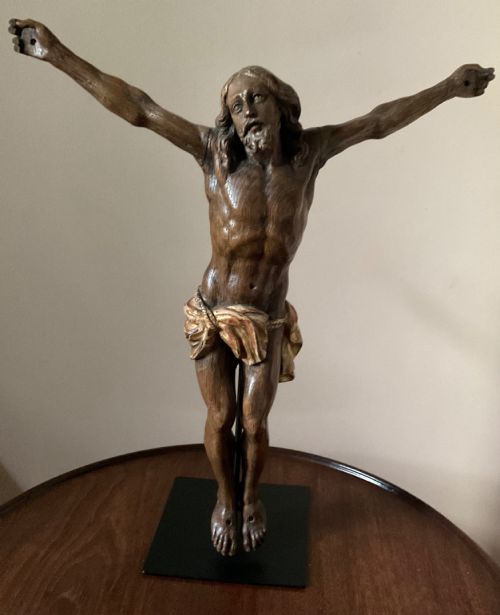
- The body of Jesus depicted on a crucifix. These wooden carvings focus on the anatomical details of the passion.
- Gothic
- A medieval art style characterised by pointed arches and elongated, expressive figures. Pieces from this tradition display distinct drapery folds and solemn expressions.
Antique Oak Figure Carvings: Frequently Asked Questions
How do I date an oak carving?
Dating relies on stylistic markers such as the stiffness of gothic drapery, the muscular forms of baroque figures, or the tool marks left by the woodcarver.
Comparing the joinery, timber shrinkage and the wear of the patination against documented pieces from the same century helps confirm the age.
Were these figures originally painted?
Many early religious statues and church carvings were finished with gesso and polychrome paint to make the saints and biblical scenes appear more lifelike.
Over the centuries, much of this pigment was stripped or worn away, leaving the exposed oak grain seen on most surviving pieces today.
How should I display a wooden sculpture?
Keep wooden figures away from direct sunlight, heating vents and damp areas to prevent the oak from splitting or warping as humidity fluctuates.
Place them on stable plinths or mount them securely to walls if they are heavy architectural panels or fragments.
What is the difference between a panel and a statue?
Panels are carved in relief on a flat wooden background, designed to be mounted onto walls, furniture or church choir stalls.
Statues and sculptures are fully three-dimensional figures meant to be viewed from multiple angles as standalone decorative or devotional objects.