





Antique Oak Decor
These pieces of antique oak decor combine solid timber with carved detail, bringing rich grain and history directly to interior walls and surfaces.
Antique Oak Decor
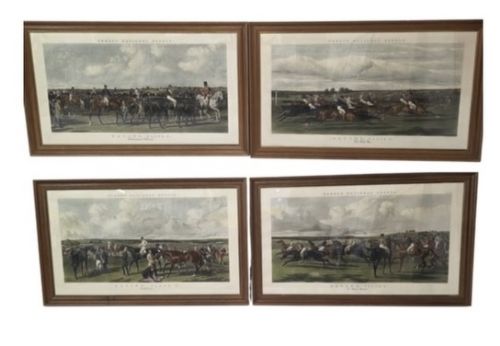
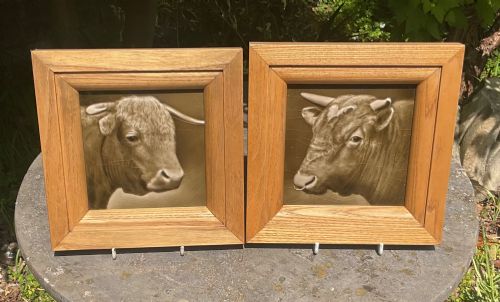
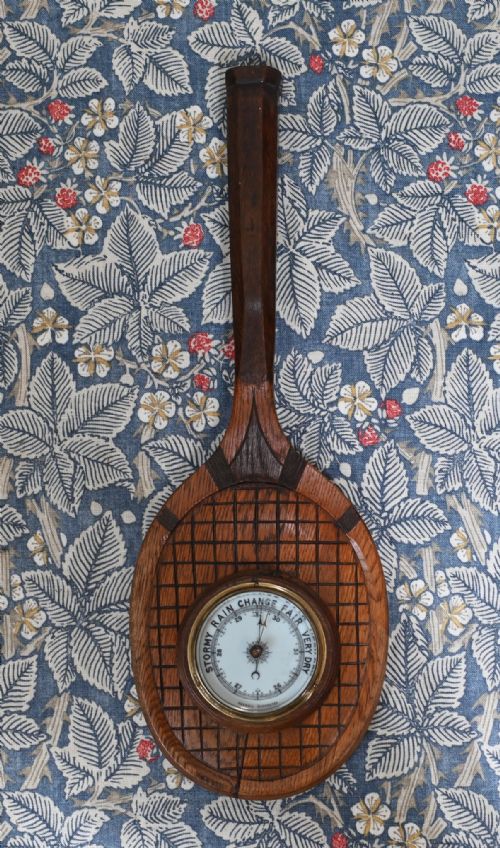
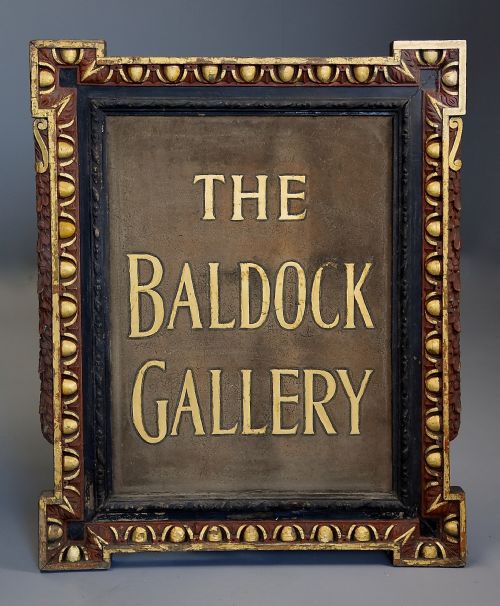
Buyers seeking antique oak decor encounter a varied selection of architectural fragments, wall panels, barometers, and taxidermy dating from the sixteenth century through to the interwar period. The inventory relies heavily on seventeenth and eighteenth-century carved panels alongside Victorian and Edwardian wall art, maritime instruments, and country house pieces.
The objects span domestic items such as hanging candle boxes, bookends, and dinner gongs to significant architectural salvage like ecclesiastical carvings and ships' wheels. Pieces frequently display distinct regional and stylistic influences, ranging from Gothic Revival and Black Forest carving to maritime subjects.
Wooden elements dominate the selection, yet makers often paired the timber with brass fittings, glass barometers, painted surfaces, and paper prints to create functional or decorative items for the home. Most examples serve as wall-hanging items or tabletop display pieces rooted in British and European craftsmanship.
Materials and construction
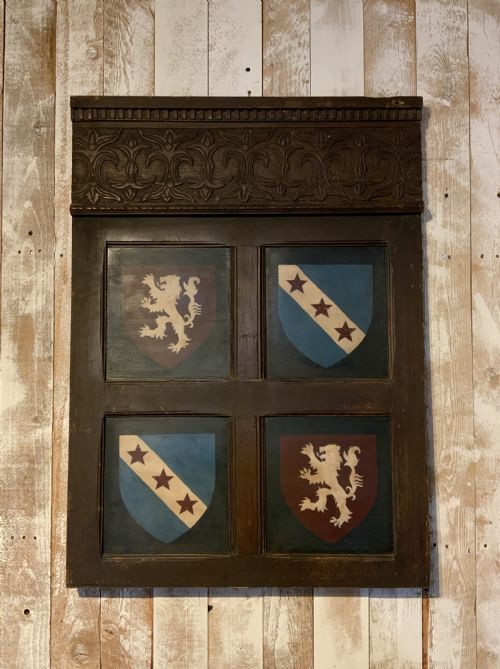
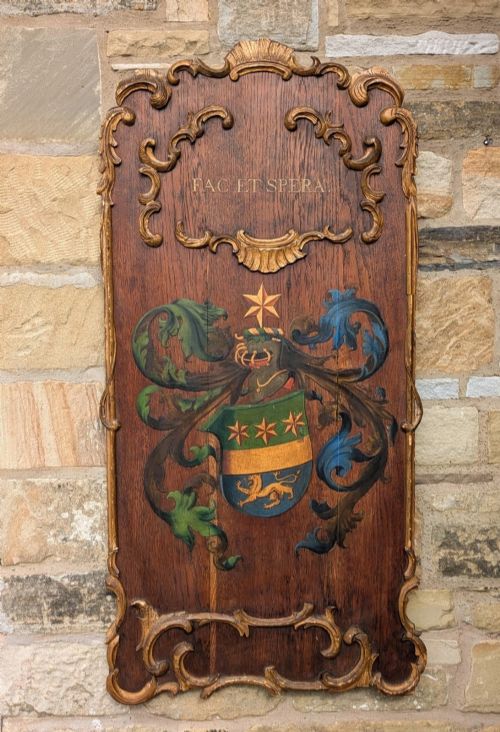
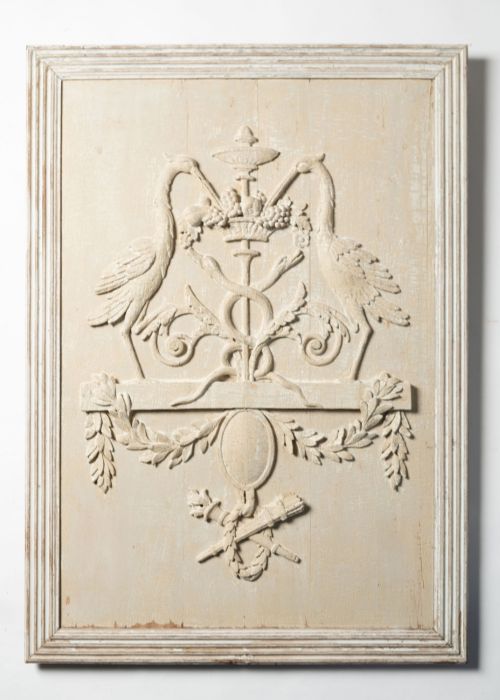
Craftsmen utilised seasoned oak for its density and pronounced grain, employing hand chisels to shape deep relief carvings of acanthus leaves, heraldic crests, and animal subjects. Panels and architectural elements often show mortise and tenon joinery alongside hand-planed backing boards.
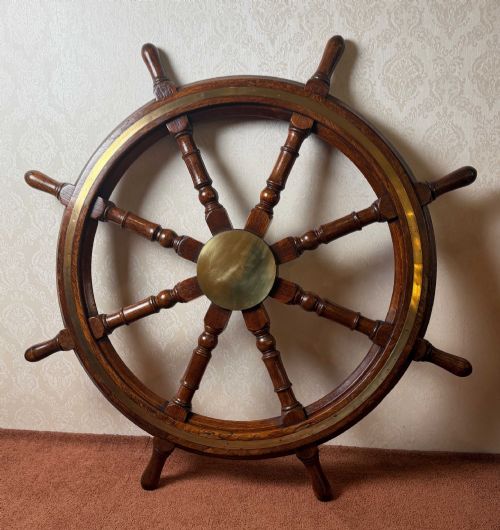
Makers integrated contrasting materials directly into the wood structures, securing brass bezels, glass dials, and painted details onto the oak foundations. Many panels and plaques rely on natural wax or oil finishes to seal the timber while highlighting the figuring of the grain.
Antique Oak Decor Retail Price Guide 2026
Typical asking prices for oak decor among the pieces listed under this phrase on Sellingantiques today, from the lower quarter to the upper quarter. They describe what is for sale here now, not the wider market.
Object forms span wall art, taxidermy trophies, barometers, architectural salvage, trade signs, and candlesticks.
Judging quality in antique oak pieces
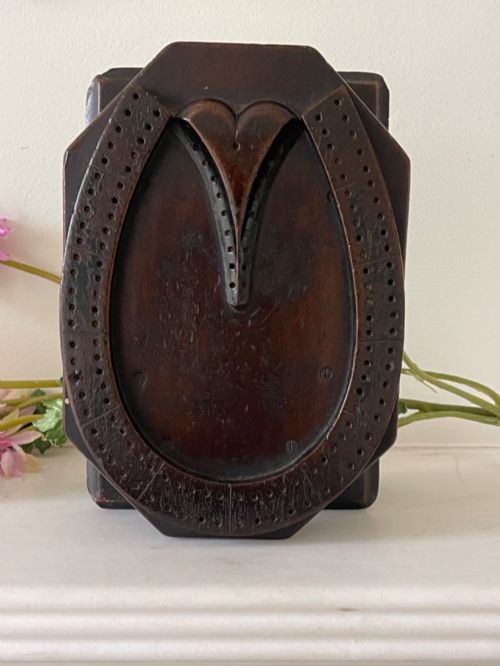
Depth and crispness of hand carving distinguish superior examples from plain production work, particularly in architectural panels and Black Forest animal plaques where undercut details demand high technical skill. Sharp definition in the wooden foliage or animal forms indicates a competent hand.
The integrity of the timber and the retention of original surface finishes dictate the standing of a piece, with untouched patination holding more character than heavily stripped or modernly varnished surfaces. Integration between the oak and secondary elements such as brass mounts or painted heraldry must appear cohesive.
Sherwin And Cotton·Short And Mason
The Antique Oak Decor Glossary
- Barograph
- A mechanical instrument that records barometric pressure over time on a rotating paper chart, often housed in a glazed oak case with a brass mechanism.
- Acanthus
- A classical carved leaf ornament modelling the Mediterranean plant of the same name, frequently seen curled upon seventeenth-century architectural oak panels.
- Taxidermy
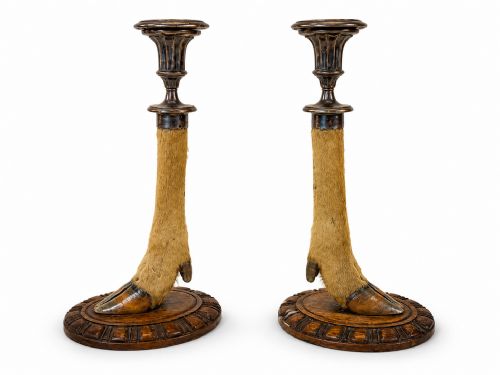
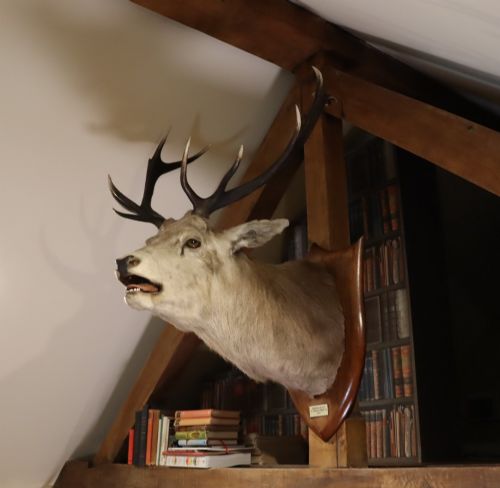
- The art of preparing, stuffing, and mounting the skins of animals for display, represented here by deer heads, antelope horns, and exotic specimens mounted on wooden shields.
- Barometer
- A scientific instrument used to measure atmospheric pressure, often mounted inside decorative carved wooden frames or barograph boxes.
- Architectural salvage
- Building elements rescued from older structures for decorative reuse, including carved wooden brackets, panels, and ships' wheels.
Antique Oak Decor: Frequently Asked Questions
What periods do these pieces cover?
The selection spans from the sixteenth century through the Victorian and Edwardian eras up to the 1930s.
Early items include sixteenth and seventeenth-century carved panels, while later pieces feature twentieth-century barometers and taxidermy.
How were oak wall panels used originally?
Carved oak panels and crests were set directly into interior walls, furniture, or architectural framing within grand homes and ecclesiastical buildings.
They served both as decorative enrichment and as displays of heraldry and family lineage.
How do I care for antique oak?
Keep wooden pieces away from direct heat sources and sudden humidity changes to prevent the timber from splitting or warping.
Apply a light microcrystalline wax occasionally to feed the wood and maintain the natural lustre of the surface.
How can I tell the age of carved oak?
Examine the back of the panel and the tool marks left behind by hand chisels rather than modern machinery.
Colour, oxidation, and shrinkage patterns in the timber help confirm the age and period of the carving.