

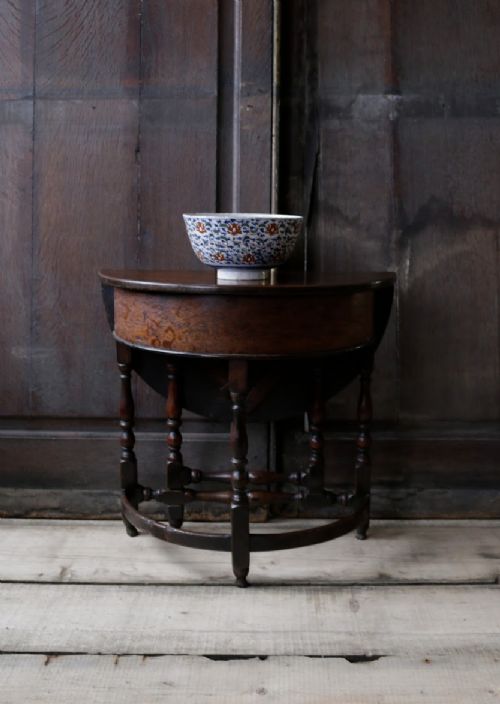


Antique Oak Credence
These antique oak credence forms offer sturdy utility and rich period character, making them a practical choice for period interiors.
Antique Oak Credence
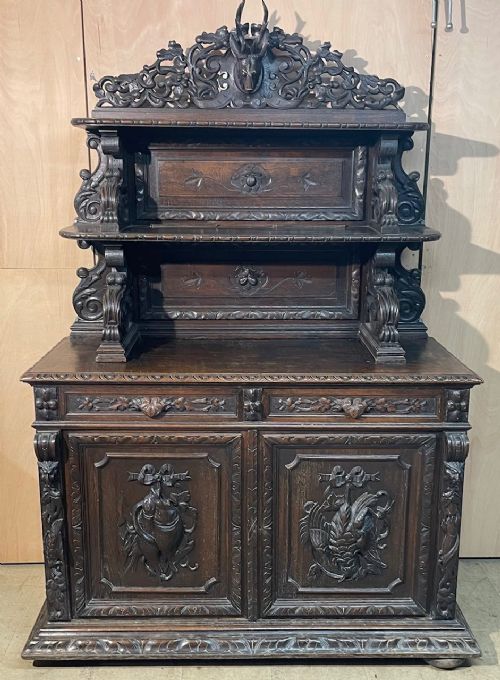
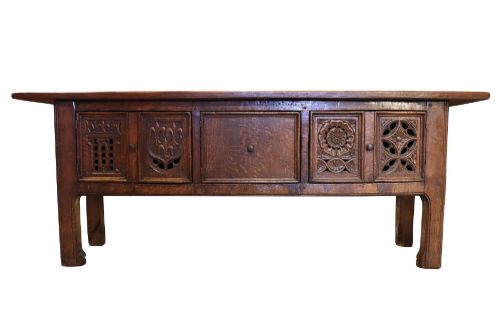
When searching for an antique oak credence, a buyer encounters forms spanning the seventeenth century up to twentieth century revivals. The selection includes tables, sideboards, dressers, and cupboards produced in various regional English and continental styles.
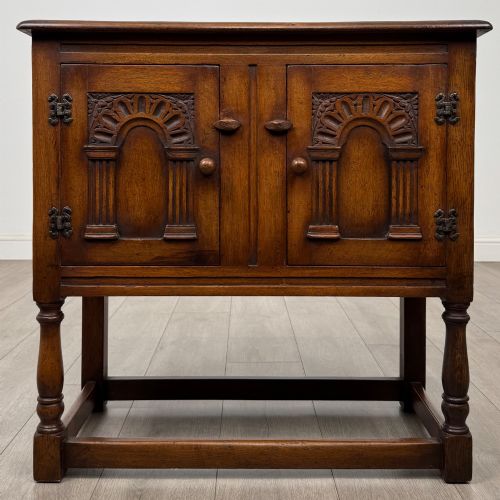
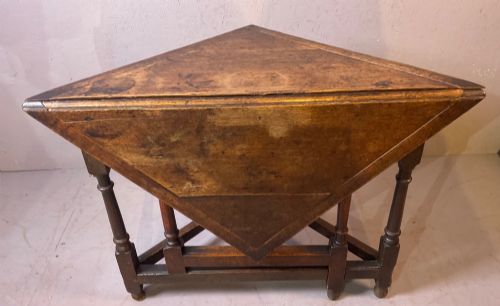
Original seventeenth century pieces sit alongside later nineteenth century gothic revivals and twentieth century reproductions. Buyers are most likely to meet oak tables featuring folding leaves or side cabinets with carved wooden panels.
The objects serve multiple storage and display purposes within domestic settings. Their forms range from narrow dresser bases and court cupboards to compact side tables and demi lune hall tables.
Materials and construction
Makers utilised solid timber, primarily oak, combined with iron hardware such as hinges and brackets for structural stability. Joinery techniques relied on traditional framing methods suited to heavy wood.
Surface ornamentation involved intricate hand carving, often displaying gothic, jacobean or renaissance revival motifs. Panels and doors show careful moulding and shaping executed by hand.
Several items disguise their folding mechanics cleverly, acting as quiet surfaces until a swinging leg reveals a hidden leaf.
Assessing quality and craftsmanship
The standard of a piece depends on the depth and crispness of the hand carving, alongside the integrity of the original timber. Superior examples display thoughtful proportions and harmonious integration of decorative elements.
Later revivals vary according to how closely they adhere to seventeenth century joinery methods. Pieces retaining original ironwork and minimal later alterations command stronger interest.
The Antique Oak Credence Glossary
- Credence table
- A folding table with a swinging leg to support an extra leaf, originating for ecclesiastical use before becoming domestic furniture.
- Jacobean
- A style of design prevalent during the early seventeenth century, characterised by rigid symmetry and strapwork carving.
- Gothic Revival
- An architectural and decorative style popular in the nineteenth century that reinterprets medieval forms and pointed arch motifs.
- Court cupboard
- A heavy two-tiered storage piece from the seventeenth century used for displaying plate and storing household goods.
- Demi lune
- A half moon shape utilised for console and side tables designed to stand flat against a wall.
Antique Oak Credence: Frequently Asked Questions
What is a credence table?
A credence table is a form of furniture featuring a hinged top supported by a swinging leg that creates a larger surface when opened.
These pieces originally served a sacramental function in churches before evolving into domestic side tables during the seventeenth century.
How do I tell original pieces from revivals?
Distinguishing original seventeenth century pieces from nineteenth or twentieth century revivals requires examining the tool marks, timber shrinkage, and joinery methods.
Revivals often utilise machine cutting or display proportions and carving styles typical of later manufacturing periods rather than authentic early methods.
Where should I place a credence table?
These tables suit hallways, living rooms, or dining areas where their surfaces can hold lamps or decorative objects.
Compact versions fit well in narrow spaces while larger folding examples work effectively against hallway walls.
What woods were used in these pieces?
The primary timber utilised across these items is oak, selected for its durability and abundant supply in British cabinet making.
Iron hardware such as hinges and latches frequently accompanies the timber structure to provide functional support.