



Antique Oak Chime Stand
These antique oak chime stands and associated timepieces bring rich wooden presence and resonant acoustic brass into a room.
Antique Oak Chime Stand
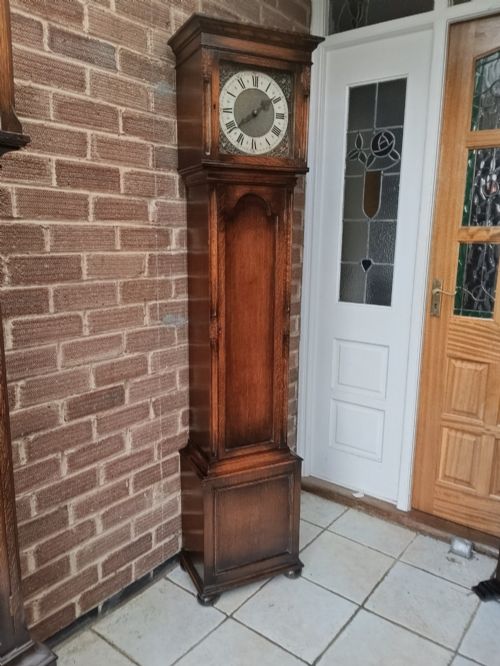
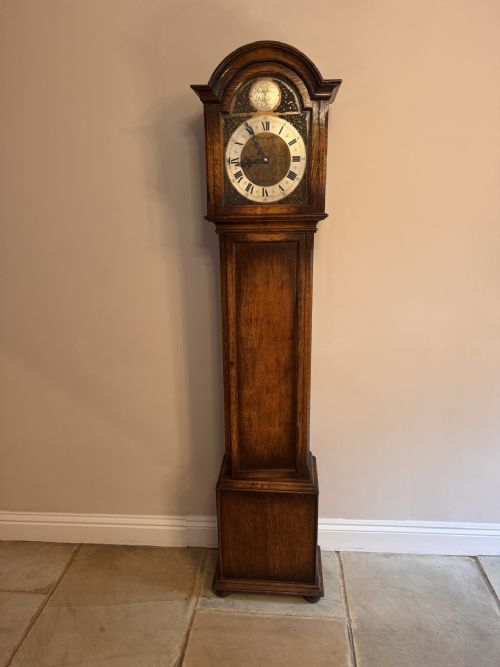
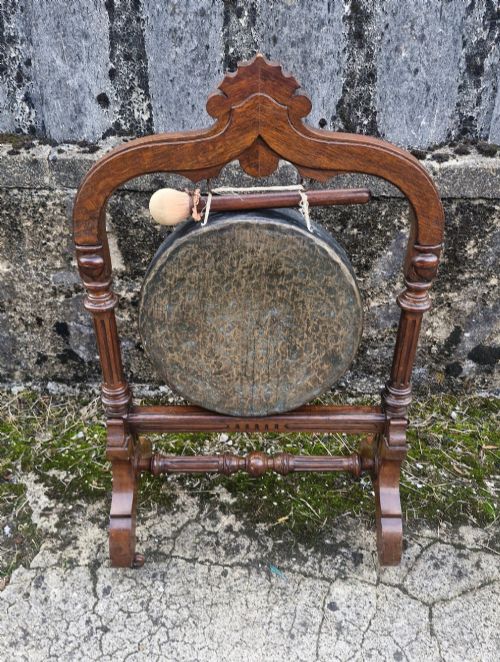
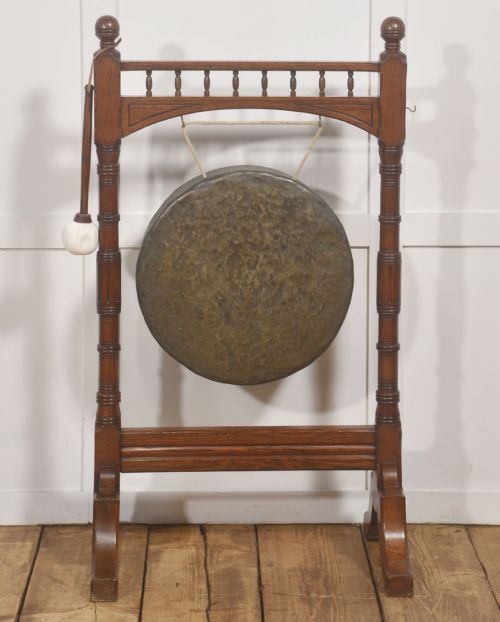
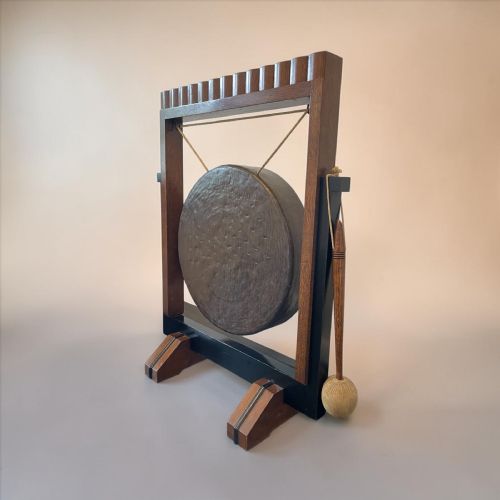
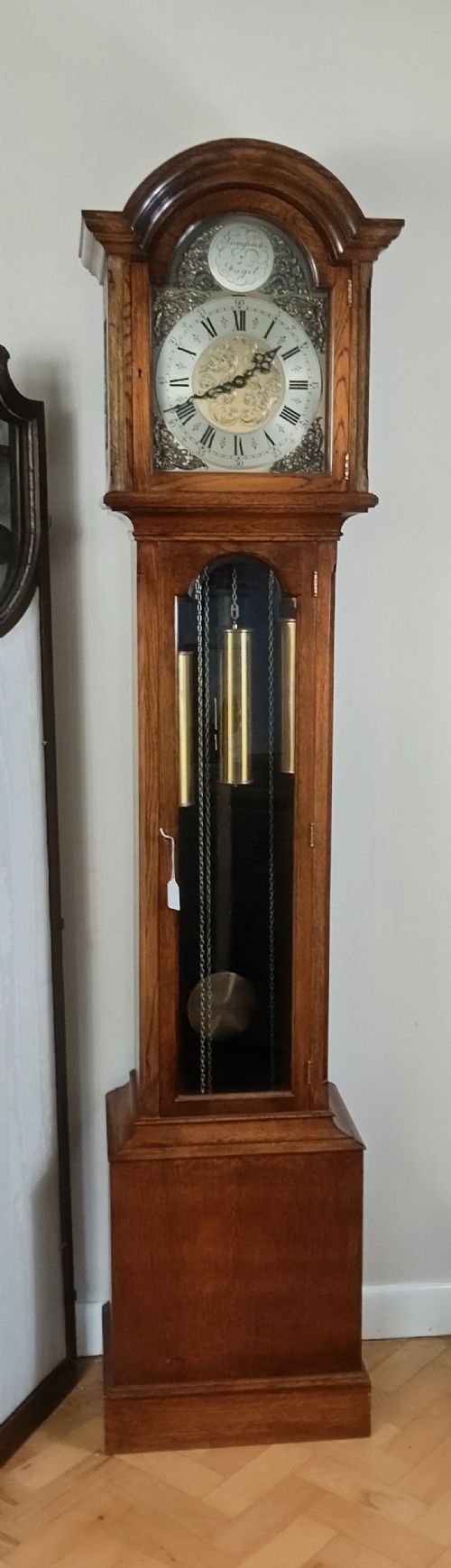
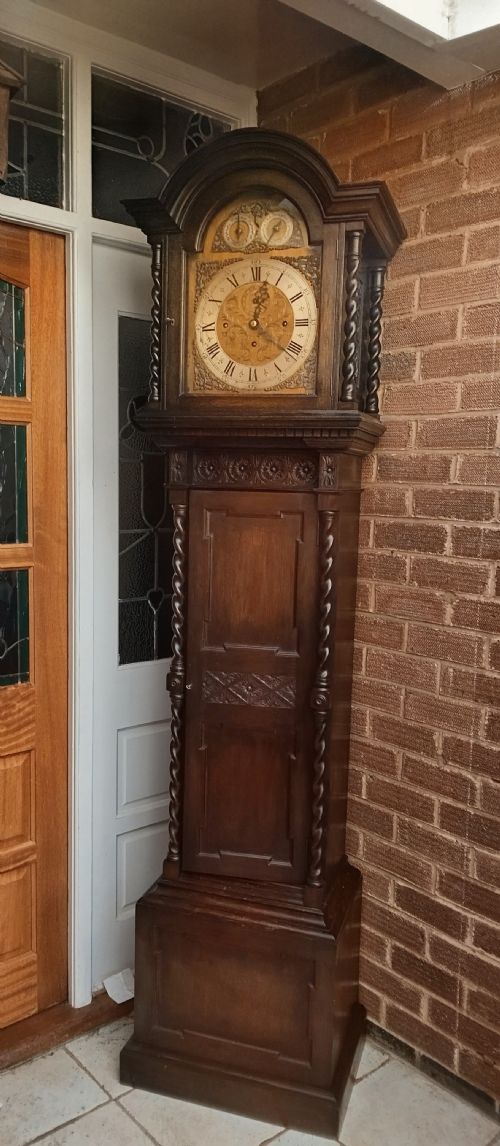
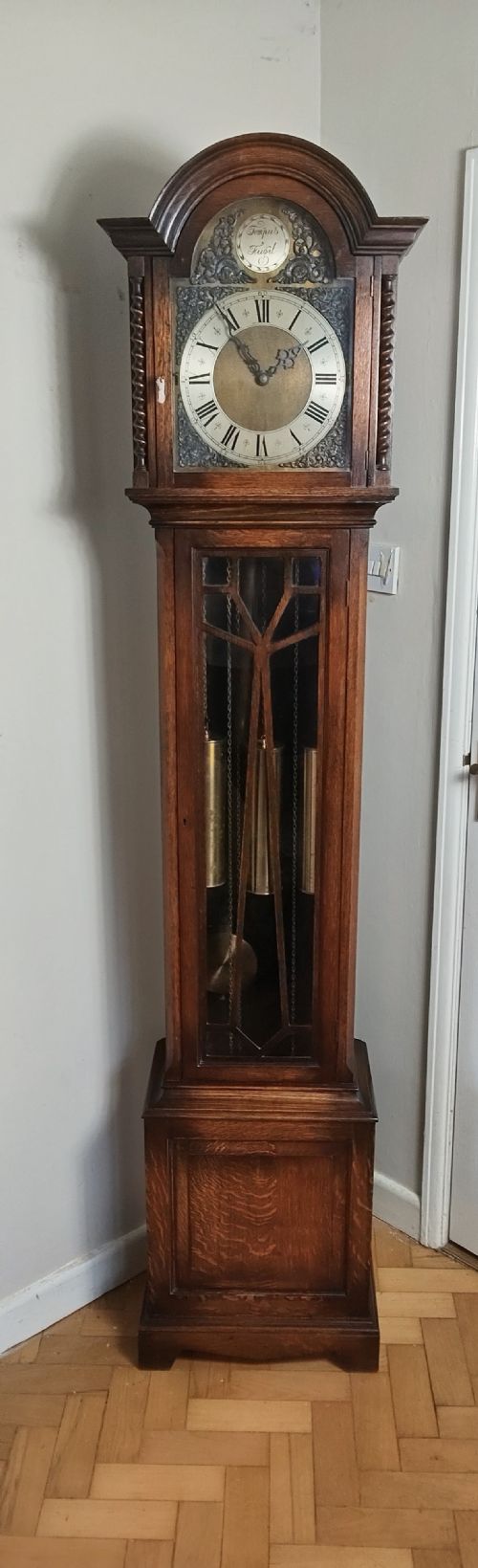
An antique oak chime stand encompasses substantial floor-standing longcase clocks, musical grandfather clocks, and independent dinner gongs housed or suspended in timber frames. The selection here spans the Victorian era through to the 1930s, taking in Edwardian and early twentieth century examples alongside robust Gothic Revival and Art Deco iterations.
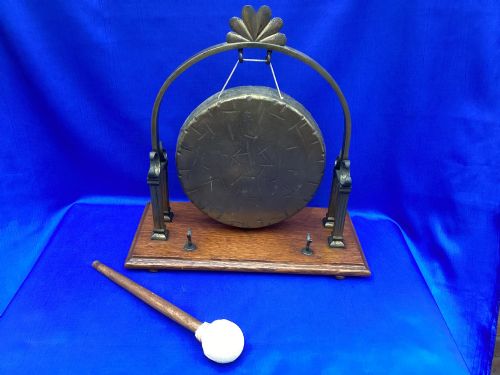
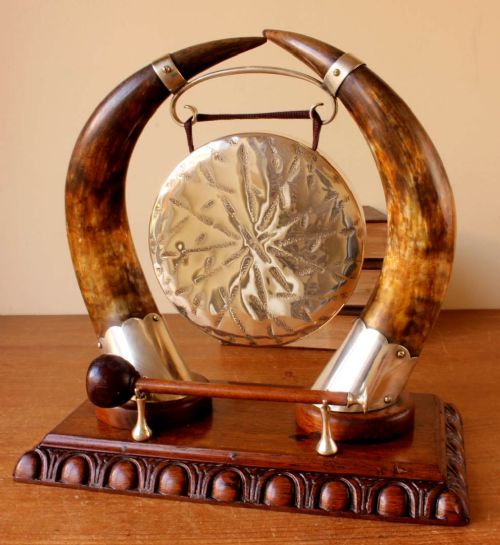
Grandfather and grandmother clocks dominate the offerings, often fitted with complex multi-tune mechanisms or tubular bells that sound the hour and quarters. Alongside these tall timepieces, simpler oak dinner gongs utilise hanging brass plates and mounted Strikers designed for domestic service.
Makers and retailers represented range from regional English horologists to major London department stores and German workshops. The dominant material throughout is oak, frequently carved or polished, serving as the architectural housing for bronze bells, brass gongs, and steel movements.
How they were made
Cabinetmakers constructed the architectural cases primarily from solid oak, sometimes combining mahogany or incorporating glass panels to view the swinging pendulum and brass dials. Carved ornamentation, applied mouldings, and structural framing defined the aesthetic across periods from Gothic Revival to Art Deco.
Horologists and metalworkers fitted intricate brass and steel clockwork movements, tubular bells, and suspended bronze or brass gongs that required precise tuning for clear musical output. Cord and felt components were utilised internally within the mechanical assemblies to dampen vibration and regulate the striking trains.
Antique Oak Chime Stand Retail Price Guide 2026
Typical asking prices for oak chime stand among the pieces listed under this phrase on Sellingantiques today, from the lower quarter to the upper quarter. They describe what is for sale here now, not the wider market.
Some oak cases hide mechanical carillons capable of cycling through distinct melodies, turning timekeeping into an impromptu parlour concert.
What varies in quality
The sophistication of the musical movement sets higher grade pieces apart, particularly mechanisms playing multiple tunes or operating via nine tubular bells rather than standard gongs. The ambition of the clock face, from plain brass dials to elaborate engraved and silvered chapter rings, indicates the original tier of production.
Cabinetwork separates standard utility production from superior craftsmanship through depth of carved detail, timber selection, and proportion. Cases displaying crisp Gothic Revival tracery or clean Art Deco geometric lines demonstrate a higher level of design execution than simpler vernacular boxes.
Bravingtons·Enfield·Harrods·W Prior Skipton
The Antique Oak Chime Stand Glossary
- Longcase clock
- A tall, weight-driven pendulum clock housed in a tall wooden case designed to rest directly on the floor. These pieces are often referred to colloquially as grandfather clocks.
- Dinner gong
- A suspended metal disc or tube struck with a mallet to summon household residents to meals. They are frequently mounted in decorative wooden or brass frames.
- Grandmother clock
- A smaller, more compact version of the traditional longcase clock developed in the early twentieth century. They retain chiming movements while occupying less vertical space.
- Glockenspiel
- A percussion instrument consisting of tuned metal bars played with mallets, occasionally integrated into larger musical timepieces. It produces a bright, bell-like tone.
- Gothic Revival
- An architectural and decorative style drawing inspiration from medieval design, featuring pointed arches, tracery, and heavy carved woodwork. This aesthetic appears frequently on Victorian pieces.
Antique Oak Chime Stand: Frequently Asked Questions
How do I wind a chiming clock?
Winding requires a dedicated key inserted into the winding holes on the dial face to tension the internal springs or draw up the hanging weights. Care must be taken not to overwind the mechanism, stopping as soon as resistance is felt.
For clocks with multiple tunes or complex gear trains, consulting the specific train layout ensures the chime and strike sequences remain synchronised during routine maintenance.
Where should I place a longcase clock?
Tall timepieces require a stable, level floor away from direct sunlight, central heating vents, and damp exterior walls to protect the timber case and internal steel components. Placing the clock against a solid interior wall prevents vibrations from floorboards disrupting the pendulum swing.
Sufficient clearance above and around the case ensures the sound from tubular bells or gongs projects clearly into the living space without distortion.
How do dinner gongs work?
A dinner gong uses a suspended brass or bronze plate, bar, or tube struck by a padded mallet hanging alongside the frame. The acoustic properties of the metal produce a resonant tone that carries across a home.
The wooden stand holds the striking apparatus firmly in place while allowing the metal element to vibrate freely upon impact.
What is the difference between a grandfather and grandmother clock?
Grandfather clocks are tall Victorian or Edwardian floor-standing timepieces, typically measuring well over six feet in height with long pendulums and substantial weight drops. Grandmother clocks are smaller scaled versions introduced around the early twentieth century.
Despite the reduced proportions, grandmother clocks often house complex eight-day chiming movements comparable to their larger counterparts.