



Antique Oak Block
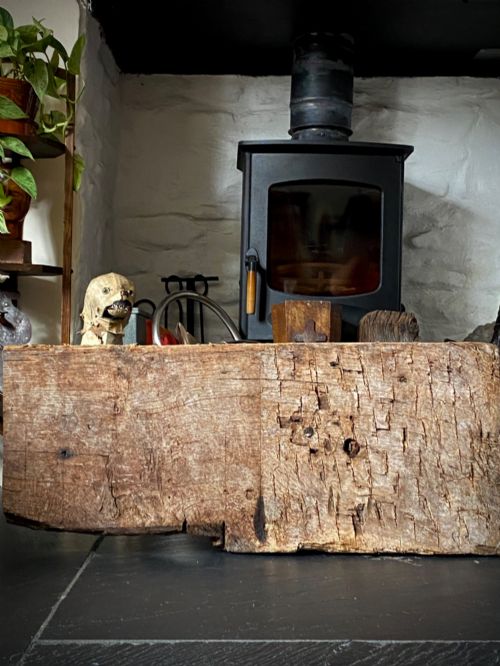
An antique oak block brings heavy timber into the room, built for chopping, storage or maritime rigging.
Antique Oak Block
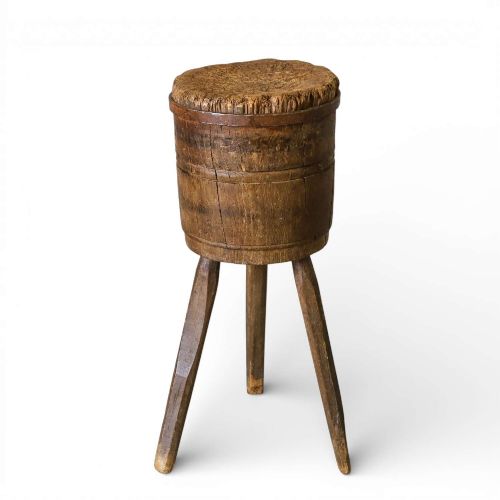
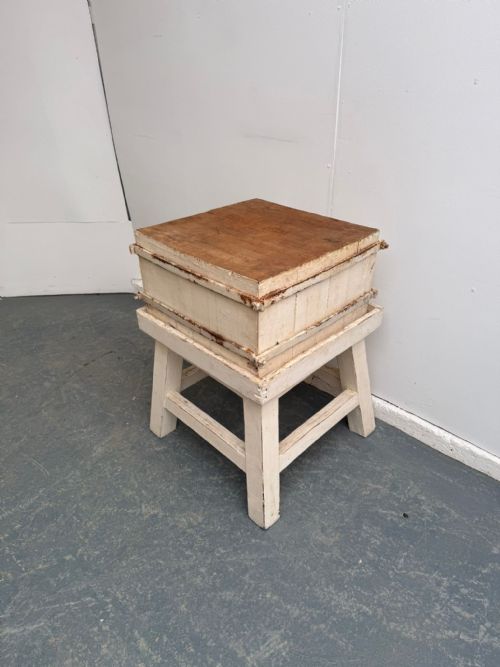
The phrase antique oak block covers a varied group of heavy wooden objects, most commonly appearing as butchers' blocks, chopping blocks, and heavy case furniture with block fronts. You will frequently encounter French and Hungarian kitchen pieces alongside English chests of drawers and desk accessories.
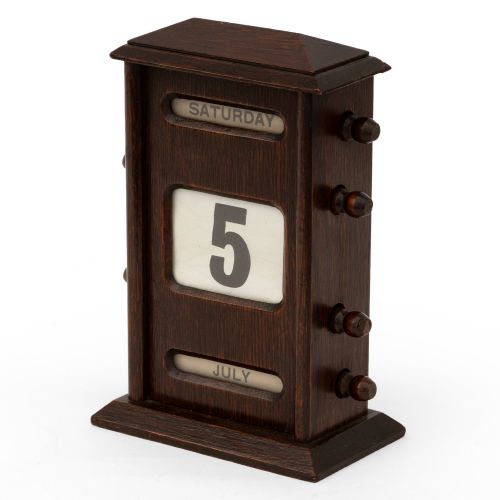
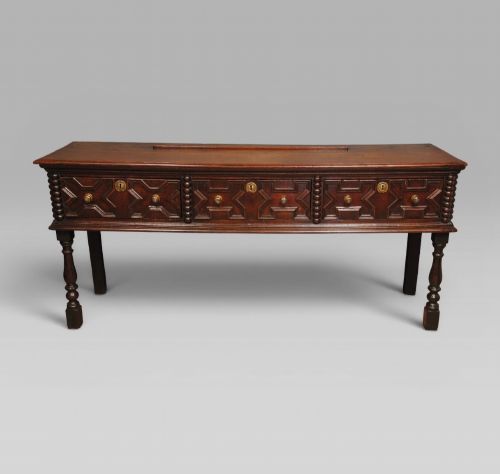
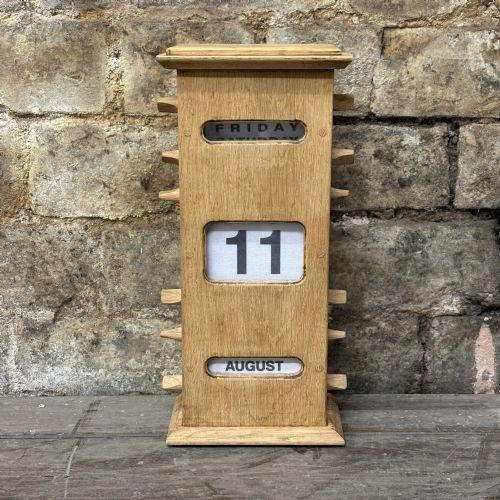
Butchers' blocks and tree trunk chopping blocks form a large share of the selection, shaped from thick oak, elm, and hardwood for heavy labour. Alongside these, you find William and Mary style block front dressers, chests of drawers, and smaller items such as perpetual desk calendars and ship pulleys.
How they were made
Makers built these pieces using solid oak, elm, sycamore, and beech, often combining dense hardwoods to withstand constant impact and weight. Iron, brass, and bronze mounts provide structural reinforcement to heavy timber frames and table legs.
Construction relies on thick end-grain timber for chopping surfaces, while case furniture employs geometric block fronts carved directly into the solid wood. Tree trunks are shaped into game blocks and chopping stands with minimal intervention beyond levelling.
Antique Oak Block Retail Price Guide 2026
Typical asking prices for oak block among the pieces listed under this phrase on Sellingantiques today, from the lower quarter to the upper quarter. They describe what is for sale here now, not the wider market.
Ship pulleys disguised as oak fiddle blocks rubbed shoulders with French charcuterie boards and milliners' hat forms.
What varies in quality
The grade of timber and the proportion of original metalwork separate standard examples from finer items. Thick, end-grain surfaces showing honest wear hold more integrity than modified or thinned tops.
The crispness of execution in block front mouldings and the retention of original bronze, brass, or iron mounts dictate the standing of case pieces and French kitchen blocks.
Trussant and Cie·Hennes France
The Antique Oak Block Glossary
- Block front
- A piece of furniture cabinetry where the front projects in three vertical sections, with the outer sections raised and the centre recessed. This technique appears on William and Mary and later 17th century dressers and chests.
- End-grain
- Wood cut across the annual growth rings, presenting the hardest surface for chopping blocks. This grain orientation prevents knife blades from dulling quickly.
- Butcher's block
- A heavy table or standalone trunk top built from thick laminated or solid hardwood blocks. These served in kitchens and butcher shops for cleaving meat.
- Fiddle block
- A nautical pulley block featuring two sheaves side by side within a single shell. These were fashioned from oak for rigging on sailing ships.
Antique Oak Block: Frequently Asked Questions
How do I clean an oak butchers block?
Scrub the wooden surface with warm soapy water and a stiff brush, rinsing thoroughly afterwards. Avoid soaking the timber to prevent warping or cracking.
Treat the dry wood with food-safe mineral oil or beeswax to nourish the grain and protect against moisture.
Can I use an antique chopping block for food preparation?
Many blocks retain historical surface treatments, old oils, or accumulated wear that make them better suited for display than food use. Assess the condition of the timber before cutting food directly on the surface.
Blocks fitted with glass tops or metal mounts serve primarily as display islands or side tables in modern kitchens.
Where were heavy butchers blocks made?
Commercial kitchens across Britain and continental Europe relied on heavy timber blocks supplied by specialist workshop joiners. Many surviving examples originate from France and Hungary.
Local timber yards provided the dense oak and elm needed to withstand daily cleaving and butchery.