

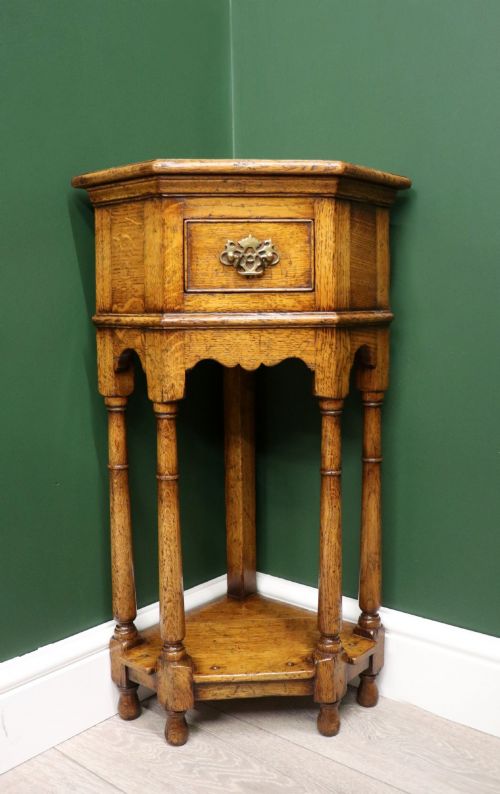
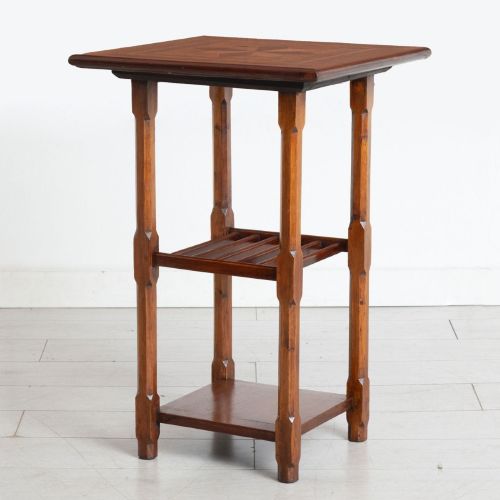


Antique Oak Accent Cabinet
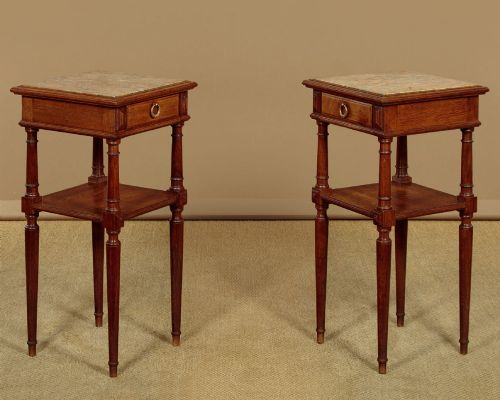
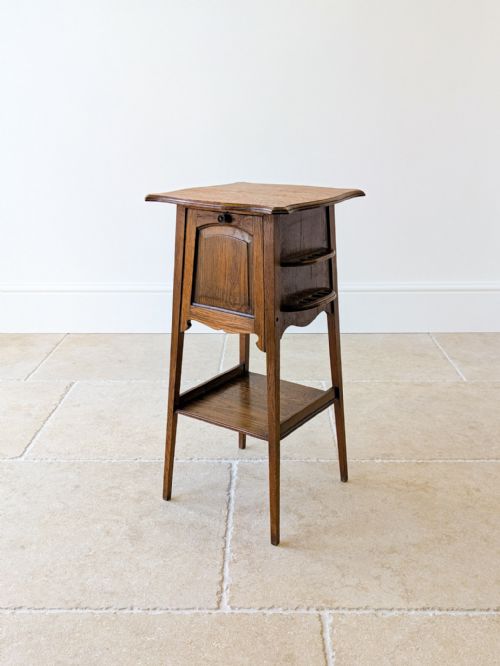
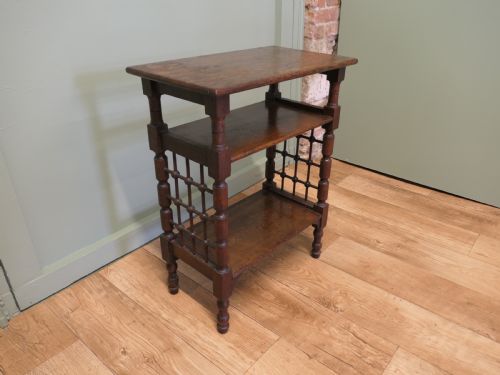
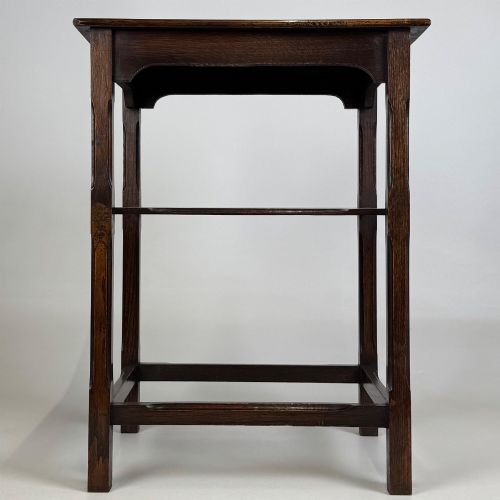
These antique oak accent cabinet pieces bring practical storage and rich grain to a room, offering sturdy utility scaled for modern living.
Antique Oak Accent Cabinet
The pieces span periods including the 19th Century, Edwardian, 1900, 1920, and 1950. Buyers most frequently encounter 1920s light oak storage cupboards and Edwardian side tables alongside carved hall cabinets.
How they were made
Construction relies primarily on solid oak, frequently enhanced with carved surface details and supported by hardware in brass, iron, and wrought iron. Artisans utilised inlaid timber and specimen wood to create decorative contrast across table tops and cabinet doors.
Joinery methods reflect traditional workshop practices suited to dense hardwoods, producing sturdy side tables and heavy hall cupboards on stands. Surfaces often display natural grain patination shaped by decades of use and polish.
Antique Oak Accent Cabinet Retail Price Guide 2026
Typical asking prices for oak accent cabinet among the pieces listed under this phrase on Sellingantiques today, from the lower quarter to the upper quarter. They describe what is for sale here now, not the wider market.
Current listings demonstrate materials spanning oak, brass, iron, specimen wood, and inlaid timber across five distinct periods.
What varies in quality
Depth and crispness of carved ornamentation distinguish standard production from finer workshop examples, particularly on Flemish and Jacobean revival pieces. Cabinet doors, corner fittings, and stands demonstrate varying degrees of joinery precision.
The selection of timber grain, inclusion of specimen woods or inlaid timber, and quality of brass and iron hardware elevate certain side tables and storage cupboards above simpler utility furniture.
The Antique Oak Accent Cabinet Glossary
- Oak
- A heavy, durable hardwood with prominent grain patterns utilised for structural strength and traditional cabinet making.
- Arts and Crafts
- A design movement favouring honest construction, simple forms, and visible handcrafting methods.
- Flemish Renaissance Revival
- A nineteenth-century style incorporating elaborate carved scrolls, deep panelling, and robust proportions.
- Specimen Wood
- Selection of various decorative timber types chosen for contrasting colours and grain characteristics in inlaid surfaces.
- Hall Cabinet
- A compact storage piece traditionally placed in an entryway or hallway for hats, gloves, and small household items.
Antique Oak Accent Cabinet: Frequently Asked Questions
Where should I place an antique oak accent cabinet?
These compact cupboards and side tables suit hallways, living rooms, and corners where surface space and concealed storage are required.
Their varied heights and footprints allow them to function as lamp tables or small storage units alongside larger seating.
How do I identify an Edwardian oak side table?
Edwardian pieces often feature lighter timber tones and restrained decorative carving compared to earlier nineteenth-century examples.
Look for slender proportions and simpler turnings that reflect the domestic tastes of the early twentieth century.
What is the difference between a side cabinet and a hall cupboard?
Side cabinets generally offer open surfaces and lower door storage suited to general living areas.
Hall cupboards tend to be taller, narrower, and frequently feature heavier carved panels designed for entryways.
How do I care for oak furniture surfaces?
Maintain the timber by dusting regularly with a dry cloth and occasionally applying traditional beeswax to nourish the grain.
Avoid placing these items near direct heat sources to prevent timber movement and finish cracking.
What defines Arts and Crafts oak furniture?
Arts and Crafts pieces emphasise utility and natural material qualities without excessive surface ornamentation.
Construction details remain visible, highlighting the craftsmanship of the maker.