




Antique Novelty Treen
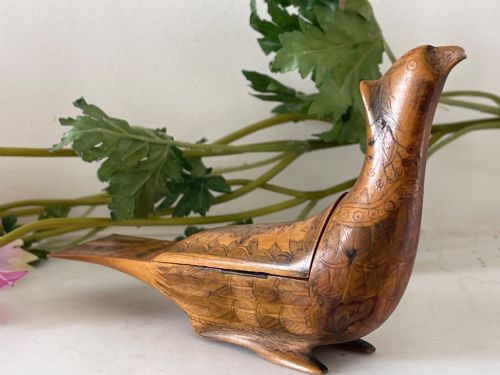
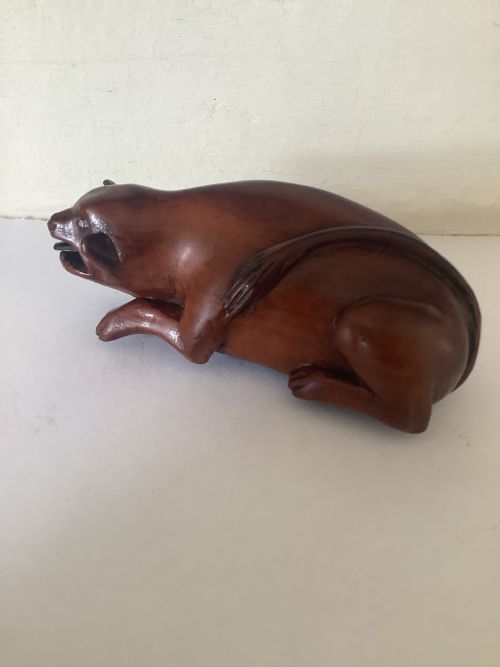
Antique novelty treen brings you small, functional wooden curiosities carved into playful shapes like shoes, animals, and wine bottles.
Antique Novelty Treen
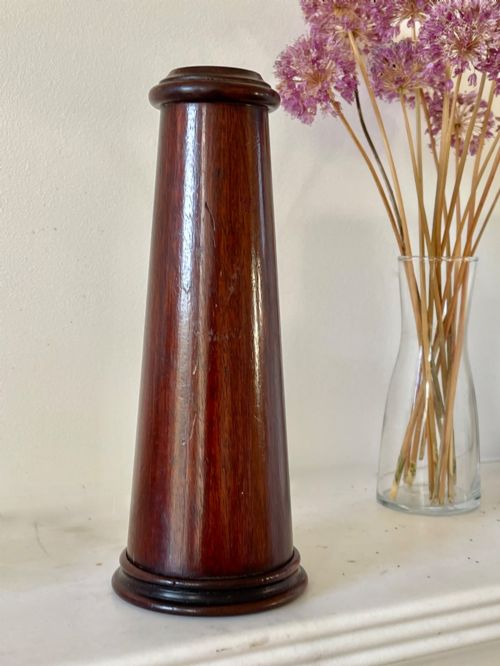
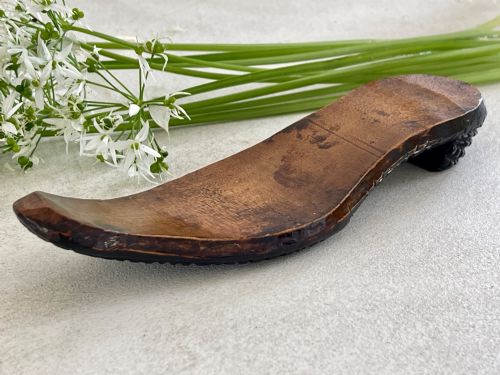
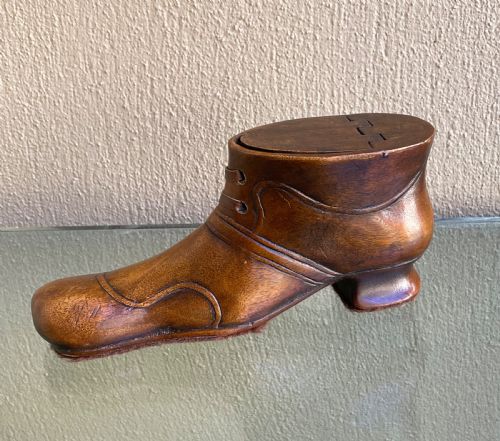
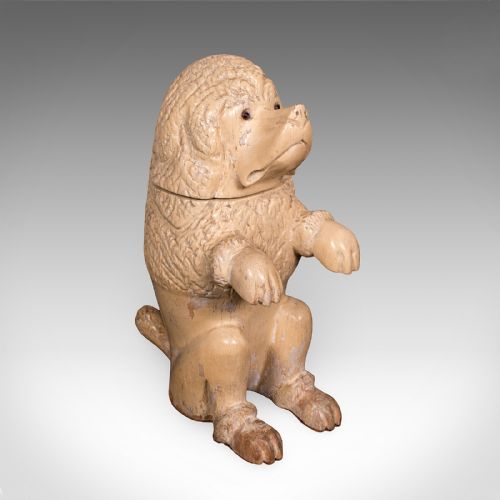
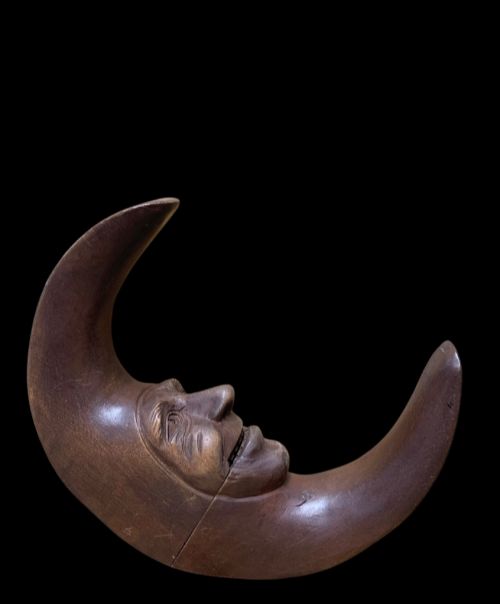
Antique novelty treen comprises small wooden items carved for everyday use, taking whimsical forms that amused their owners. You will frequently find pocket-sized snuff boxes shaped as shoes, feet, or hands, alongside tobacco jars, nutmeg graters, and knitting sheaths.
The pieces on this page span the eighteenth, nineteenth, and early twentieth centuries, including Victorian and Georgian examples. Folk art traditions heavily influence these objects, resulting in naive yet expressive carvings from domestic timber.
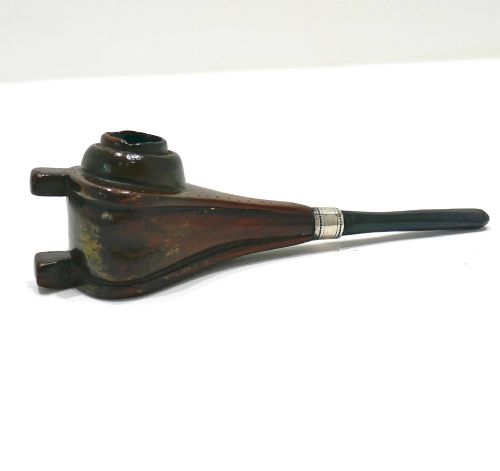
Collectors encounter functional household gear transformed by carvers into humorous shapes, such as a gentleman's pipe carved as bellows or a teacher's clicker in boxwood.
How these pieces were made
Carvers shaped these objects primarily from dense hardwoods like fruitwood, boxwood, mahogany, and burr walnut. These close-grained timbers allowed makers to execute fine details on miniature items like snuff boxes and nutmeg graters without splitting.
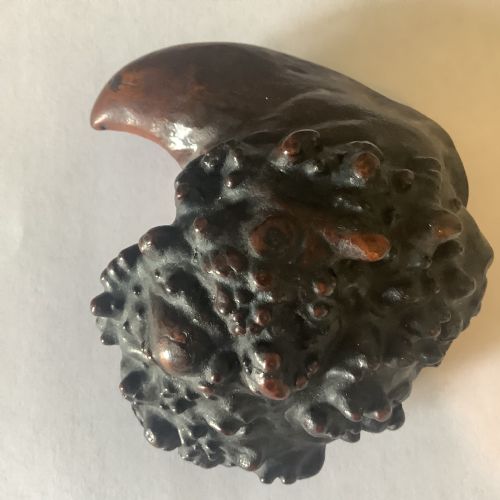
Craftsmen utilised hand chisels and knives to produce both naive folk art and finely sculpted figures. Natural wood figuring, particularly in burr walnut, was deliberately selected to give texture to items like snuff boxes formed from natural pieces of wood.
Antique Novelty Treen Retail Price Guide 2026
Typical asking prices for novelty treen among the pieces listed under this phrase on Sellingantiques today, from the lower quarter to the upper quarter. They describe what is for sale here now, not the wider market.
A teacher's clicker made from boxwood stands ready to summon order in a nineteenth-century classroom.
What varies in quality
Quality rests on the crispness of the carving and the cleverness with which the natural grain or timber is utilised. A finely sculpted hand holding a pinch of snuff demonstrates superior hand skill compared to a plain, stiffly rendered shoe box.
The charm of naive folk art versus precise joinery creates the spectrum of quality in these items. Pieces that retain their original working mechanism, such as a functioning corkscrew or a fitted snuff lid, hold greater appeal.
The Antique Novelty Treen Glossary
- Treen
- Small handmade wooden items for the home. The word derives from old English terms for tree or timber.
- Snuff box
- A small pocket container used to hold powdered tobacco. These frequently take imaginative shapes like ladies' shoes or animals.
- Knitting sheath
- A carved wooden device tucked into a belt or apron string to hold a knitting needle steady. They often appear in figurative or shoe shapes.
- Bilboquet
- A traditional ball and cup game carved from wood. Players attempt to catch the ball on a spike or in the cup.
- Nutmeg grater
- A pocket utensil used to grate whole spices at the table. In novelty treen, these often mimic everyday objects like wine bottles.
Antique Novelty Treen: Frequently Asked Questions
What is antique novelty treen?
It consists of small, carved wooden household objects made in playful or figurative shapes during past centuries. Makers turned everyday items like boxes and graters into amusing forms.
These pieces reflect domestic craftsmanship and folk art traditions from the Georgian, Victorian, and Edwardian eras.
How were snuff boxes used?
Owners carried them in pockets to hold dry tobacco powder taken as snuff during social occasions. Opening the small wooden lid allowed the user to pinch a small amount.
Carvers shaped these boxes into shoes, hands, and animals to spark conversation among companions.
How do I date these wooden pieces?
Dating relies on the timber used, the style of carving, and the specific object type associated with past social habits. Georgian and Victorian examples show distinct tool marks and wood ageing.
Reference periods span from the eighteenth century through the Edwardian era based on documented design traits.
How should I display treen?
Display small treen in cabinets or on flat surfaces away from direct sunlight and drastic temperature changes. Keeping them out of heated drafts protects the dry wood.
Handling the pieces allows you to appreciate the tactile nature of the historic carved surfaces.