





Antique Novelty Lighting
Antique novelty lighting turns everyday illumination into conversation pieces, capturing Victorian and Art Deco wit in brass, porcelain and wood.
Antique Novelty Lighting
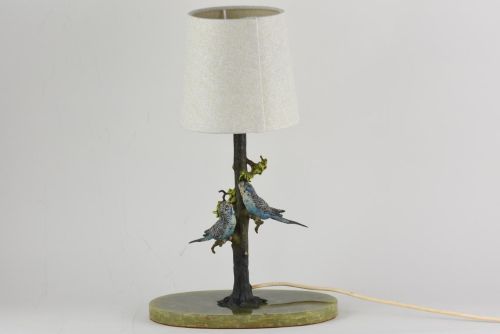
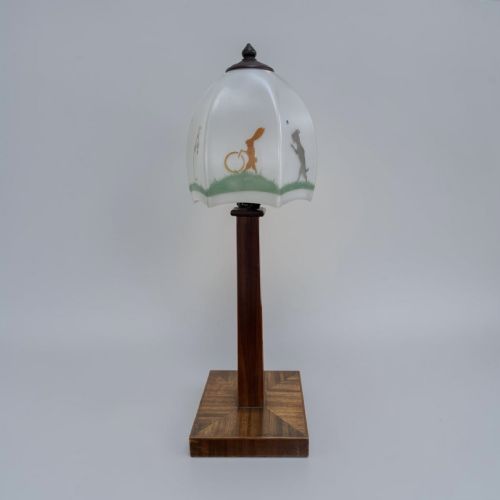
When you search for antique novelty lighting, you encounter functional objects disguised as animals, ships, books or architectural forms. These pieces bridge the gap between practical illumination and decorative whimsy, originating mostly from the Victorian era through the Art Deco period.
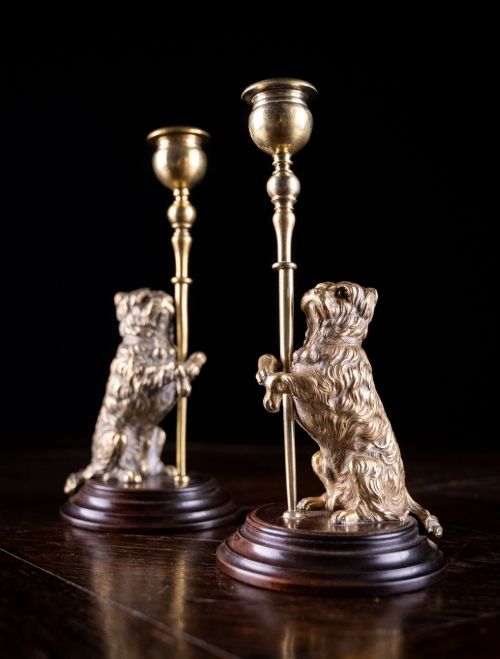
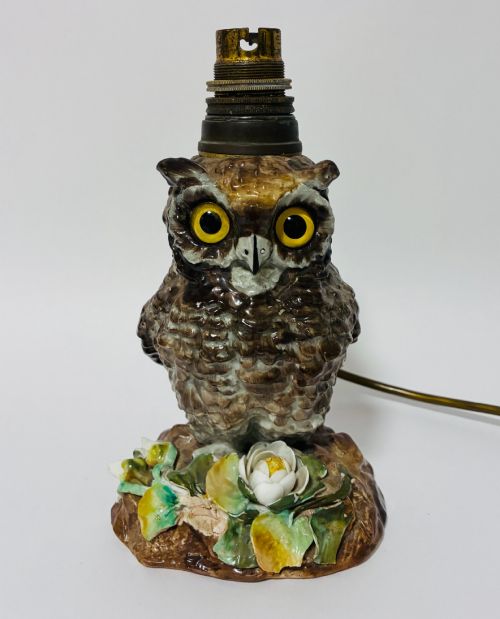
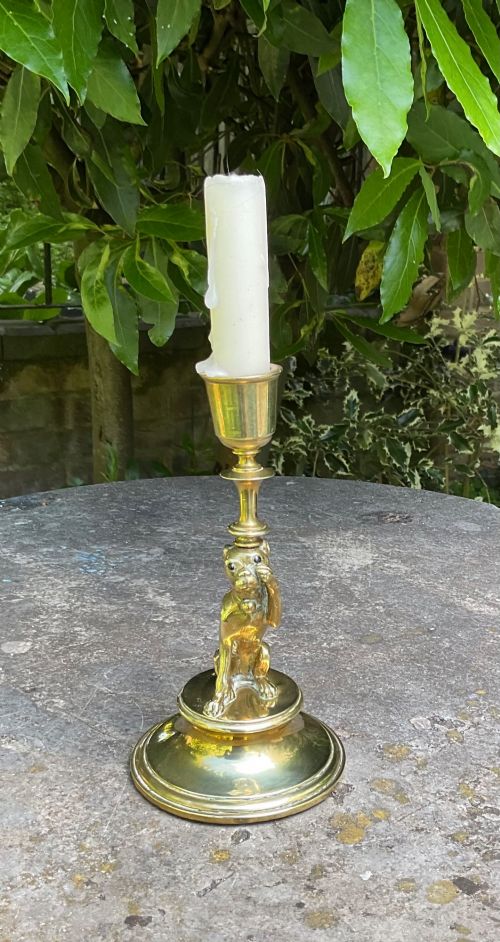
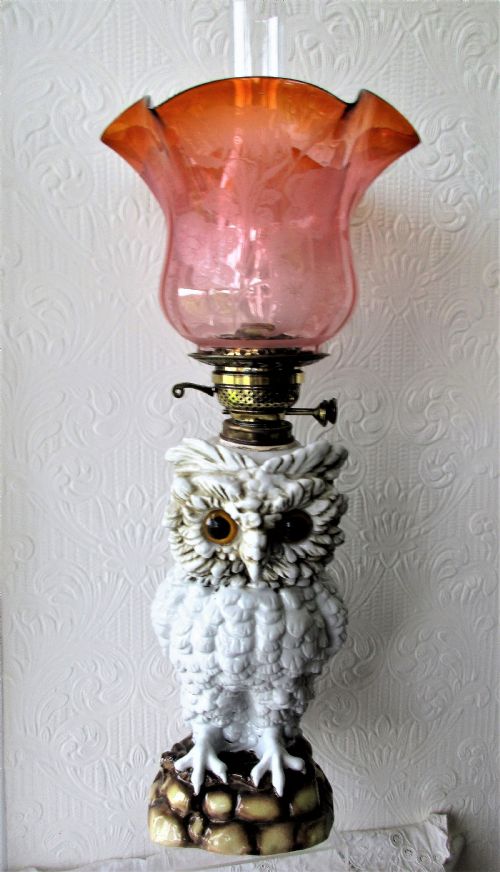
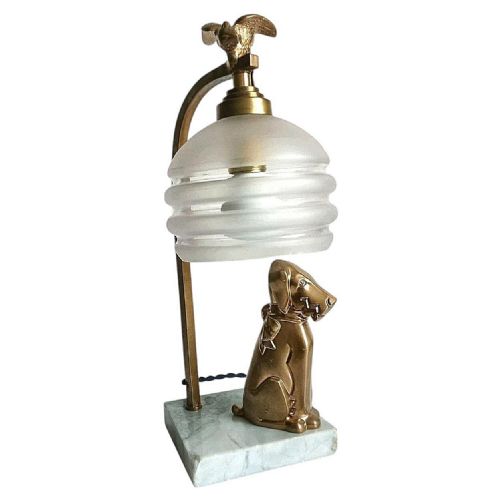
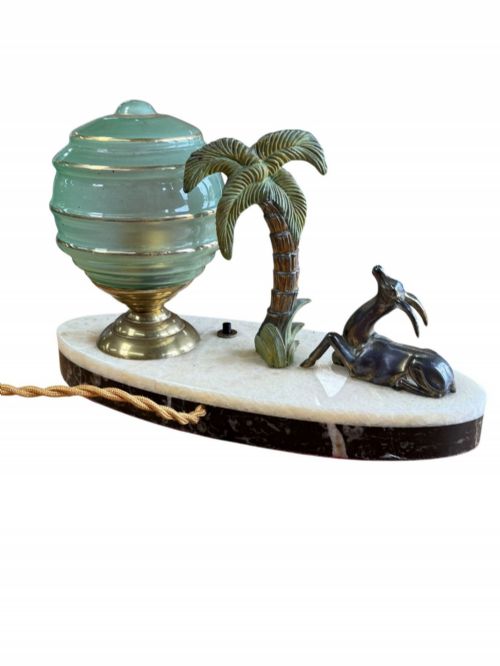
The most common examples you meet on this page are figural table lamps and candlesticks shaped as owls, dogs and bears, alongside maritime themes like galleon chandeliers and yacht lamps. Materials range widely from porcelain and brass to carved wood and cast iron, often reflecting the specific aesthetic interests of their manufacturing decades.
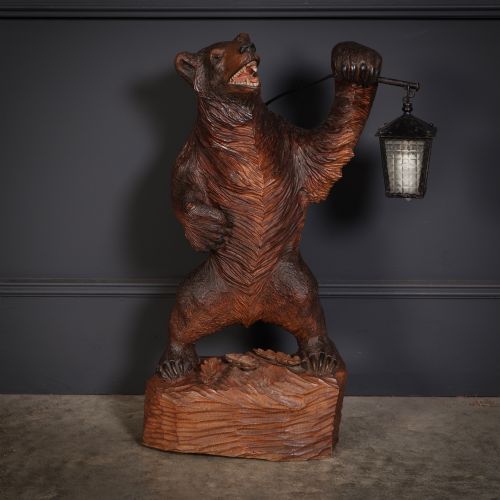
Origins vary across British, French, German and American workshops, showing how different cultures embraced playful design in domestic lighting. Whether rendered in German porcelain or carved Black Forest linden wood, each item serves both a practical and a theatrical function in a room.
Materials and construction methods
Makers relied heavily on moulded porcelain, cast brass and carved wood to shape these imaginative designs. German factories utilised delicate ceramic work for figural animal lamps, while foundries cast heavy iron and brass for structural pieces like candlesticks and animal figures.
Many items incorporate mixed media, pairing fabric shades with ceramic bases or combining crystal and metal elements. Woodcarving defines the Black Forest items, where skilled hands shaped linden wood into detailed bears and forest motifs.
Conversion is another notable aspect of construction, with several pieces adapted from earlier utilitarian objects such as andirons or oil lamps into electric table lamps. This blend of original craftsmanship and later adaptation shapes the physical reality of the pieces you examine.
Antique Novelty Lighting Retail Price Guide 2026
Typical asking prices for novelty lighting among the pieces listed under this phrase on Sellingantiques today, from the lower quarter to the upper quarter. They describe what is for sale here now, not the wider market.
Listings feature items spanning the 19th century through the Art Deco period, utilising materials from porcelain and brass to carved wood.
Assessing quality in novelty pieces
Quality separates mass-produced decorative wares from superior artistic executions through the crispness of moulding and the depth of hand-painted detail. In porcelain pieces, fine brushwork and delicate glazing distinguish superior German factory output from simpler commercial items.
Material density and weight dictate the tactile feel of metal and wood objects. Solid brass castings, heavy cast iron, and deeply carved linden wood possess a substantial physical presence that lighter, hollow alternatives lack.
The fidelity of the sculptural form itself marks the upper tier of the range. Pieces that capture realistic anatomy and expressive character in subjects like dogs, owls or human figures demonstrate a higher level of artisan skill than stiff or generic representations.
Sitzendorf·Ernst Bohne and Sohn·Argilor Paris
The Antique Novelty Lighting Glossary
- Chamberstick
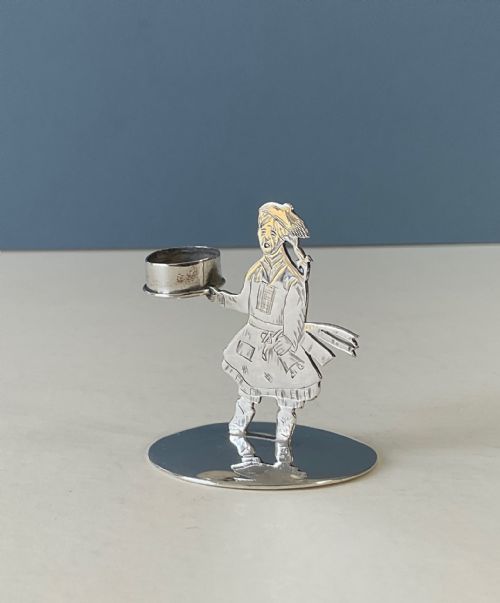
- A low candlestick fitted with a pan to catch dripping wax and a handle for carrying from room to room. These portable items often appear in silver or ceramic formats from the Victorian and Edwardian eras.
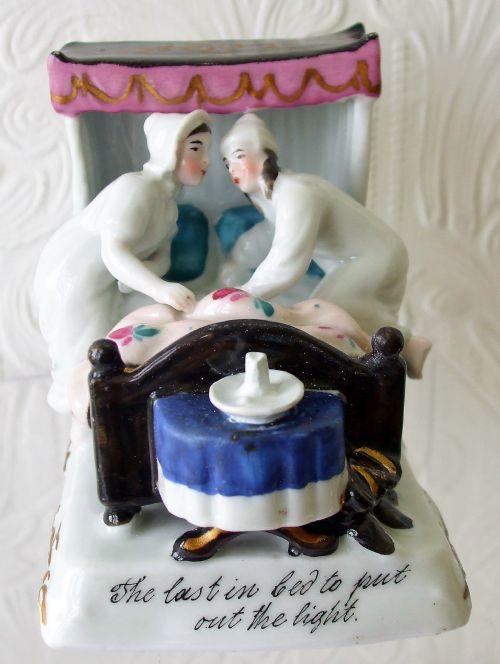
- Fairing
- A small, inexpensive porcelain ceramic ornament typically sold at annual British fairs during the nineteenth century. Many depict humorous domestic scenes or moral sayings.
- Perfume lamp
- A small decorative lamp designed to gently heat scented oil or perfume, releasing fragrance into a room. These French and European creations frequently take whimsical figural shapes.
- Andiron
- A horizontal metal support used in pairs inside an open fireplace to hold logs. Some novelty lamps are cleverly converted from these heavy cast iron fire dogs.
- Linden wood
- A pale, fine-grained wood favoured by carvers in the Black Forest region for its uniform texture and ability to hold intricate detail.
Antique Novelty Lighting: Frequently Asked Questions
How were novelty lamps used originally?
Originally, these pieces functioned as oil lamps, candleholders or gas fixtures to illuminate dark rooms before widespread electrification. Their playful designs provided a focal point for studies, boudoirs and drawing rooms.
Many surviving pieces have since been thoughtfully converted to electricity while retaining their original decorative housings.
How do I live with antique novelty lighting?
Integrating these pieces into a modern interior works best when you treat them as sculptural accents that happen to emit light. Placing an owl lamp on a bookshelf or a brass dog candlestick on a mantelpiece adds personality to a space.
Ensure that any electrical conversions are checked by a professional to meet modern safety standards before regular use.
How do I tell periods apart?
Periods reveal themselves through characteristic materials and stylistic cues. Victorian pieces often feature heavy porcelain figures, detailed animals and ornate brass, while Art Deco designs from the 1920s and 1930s favour streamlined chrome, stylized geometry and smooth glass.
Looking closely at the manufacturing marks, mounting hardware and overall artistic style helps narrow down the decade of origin.