


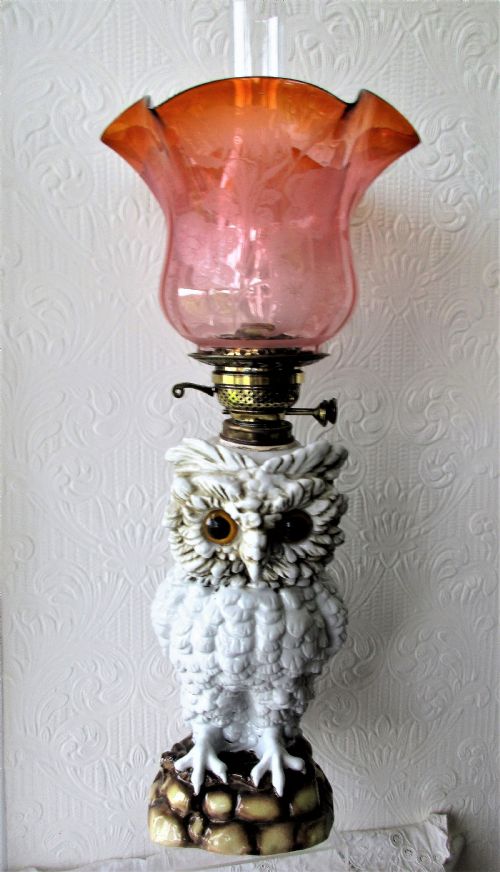


Antique Novelty Lamp
These antique novelty lamps bring playful wit to lighting, taking unexpected everyday forms from animals to miniature vessels.
Antique Novelty Lamp
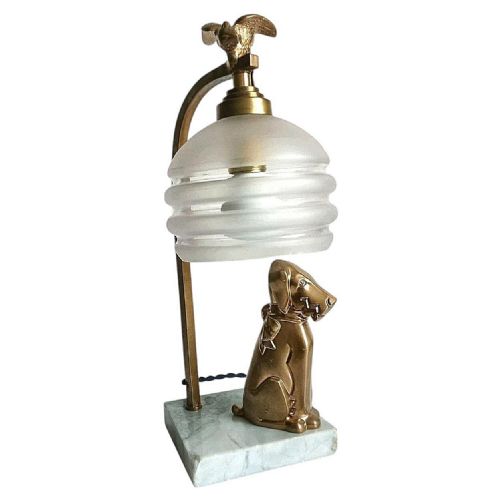
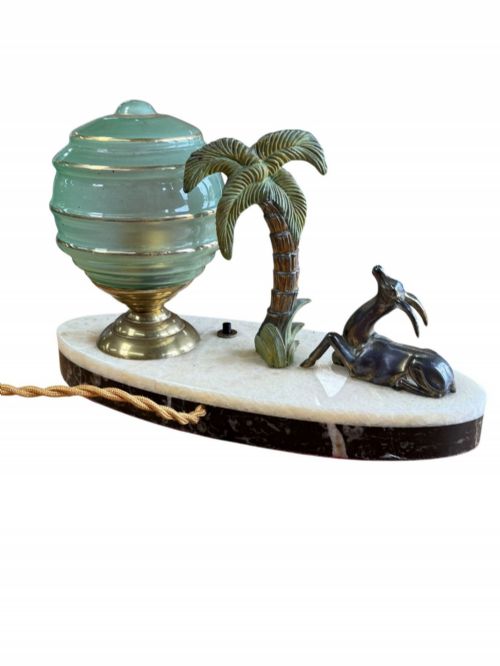
An antique novelty lamp takes the form of animals, ships, or everyday objects rather than standard urn or column shapes. When searching this phrase, a buyer encounters lighting solutions fashioned into figures or structures that amuse the eye.
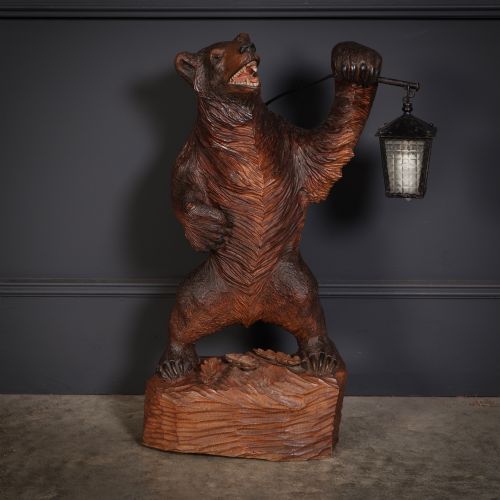
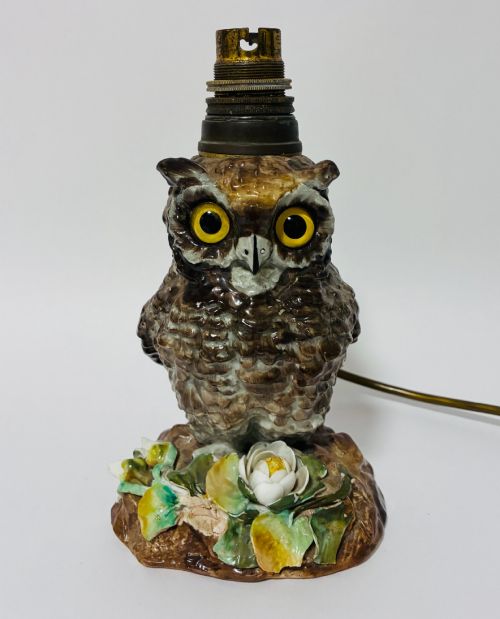
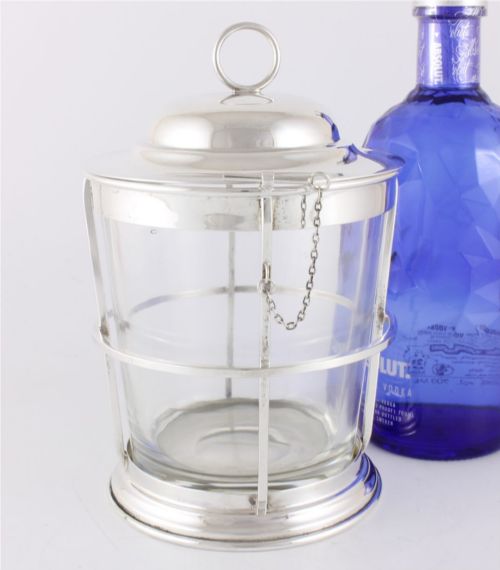
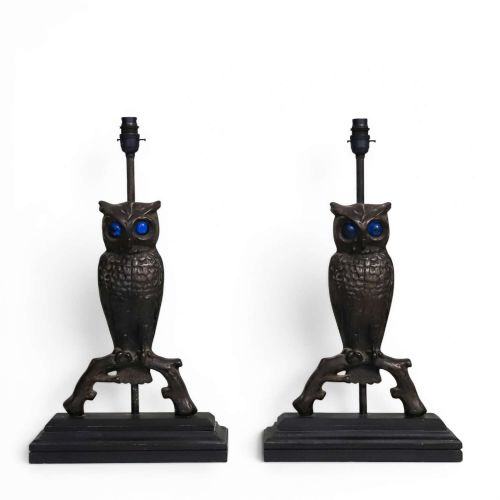
The most common versions on this page draw from Victorian and 1920s eras, including ceramic owls, carved wooden bears, and cast metal maritime items. These pieces blur the line between domestic sculpture and functional illumination.
Makers often adapted existing forms, converting items like taxidermy hoofs, carved linden wood, and andirons into functioning lamps or lighters. This creates a diverse group of objects spanning porcelain, brass, glass, and wood.
How they were made
Materials span moulded porcelain, cast brass, solid wood, and sterling silver, reflecting the eclectic tastes of the nineteenth and twentieth centuries. Artisans combined carved elements, such as Black Forest linden wood bears, with metal fittings and electrical conversions.
Many items started life as oil lamps, lighters, or decorative sculptures before later conversion to electric table lamps. Manufacturers utilised silver plating, gilding, and hand-painted ceramic glazes to finish the detailed forms.
Found objects and repurposed items appear frequently, such as taxidermy deer hooves, leather-bound books, and cast iron andirons turned into lamp bases. This resourceful construction defines the tactile appeal of the category.
Antique Novelty Lamp Retail Price Guide 2026
Typical asking prices for novelty lamp among the pieces listed under this phrase on Sellingantiques today, from the lower quarter to the upper quarter. They describe what is for sale here now, not the wider market.
Materials span porcelain, brass, glass, fabric, wood, sterling silver, and silver plate.
What varies in quality
The choice of material and maker signature elevate a piece, distinguishing standard commercial production from marked works by known manufacturers. Retaining original patination on silver plate, brass, and wood preserves the integrity of the object.
PH Vogel·Sitzendorf·Guilmet·Argilor Paris·Ernst Bohne Sohn·Elkington·Jaeger Le Coultre
The Antique Novelty Lamp Glossary
- Table lighter
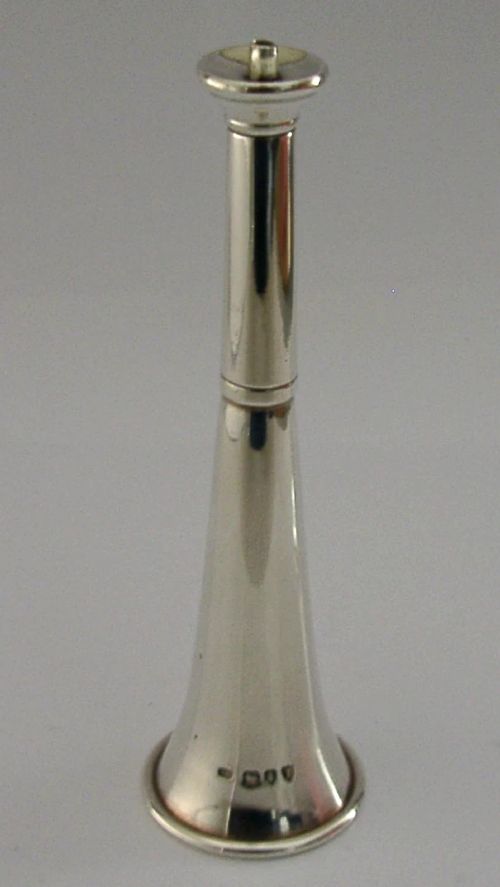
- A functional smoking accessory designed to sit on a table, often styled as a classical oil lamp, animal, or hunting horn. These items frequently share mechanisms and forms with novelty lamps.
- Oil lamp
- A lighting device that burns liquid fuel via a wick, which collectors often find converted to electricity in later periods. They form the basis of many nineteenth-century novelty lighting designs.
- Black Forest
- A regional style of wood carving originating from the mountainous region of central Europe, known for realistic animal figures like bears. These carvings frequently formed the base of early twentieth-century lamps.
- Silver plate
- A thin layer of silver applied to a base metal such as copper or nickel brass, common in decorative table wares and lighting. It offers the appearance of solid silver at a different manufacturing cost.
Antique Novelty Lamp: Frequently Asked Questions
What periods do these lamps come from?
The listings span from the nineteenth century through the mid-twentieth century, with strong representation from the Victorian era and the 1920s.
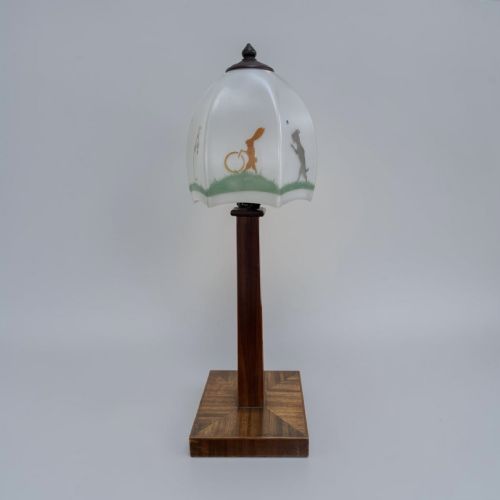
Art Deco designs and Black Forest carved wood pieces also feature prominently across the available selection.
Were these always electric lamps?
Many items began as oil lamps, desk compendiums, or table lighters before being converted to electricity at a later date.
Some pieces started as decorative sculptures, taxidermy, or functional metalwork before adaptation into lighting.
What animal forms are common?
Owls appear frequently in glazed German porcelain from factories like Sitzendorf and Ernst Bohne and Sohn.
Bears carved from linden wood in the Black Forest style and dogs such as pitz dogs also make regular appearances.
How do I identify the materials used?
Materials range from sterling silver and silver plate to hand-painted porcelain, cast iron, and solid oak.
Look for hallmarks on silver pieces and maker marks on the underside of porcelain bases to confirm origin.