



Antique Novelty Bell
These antique novelty bell pieces bring clever mechanical design and fine craftsmanship to desks and dining rooms.
Antique Novelty Bell
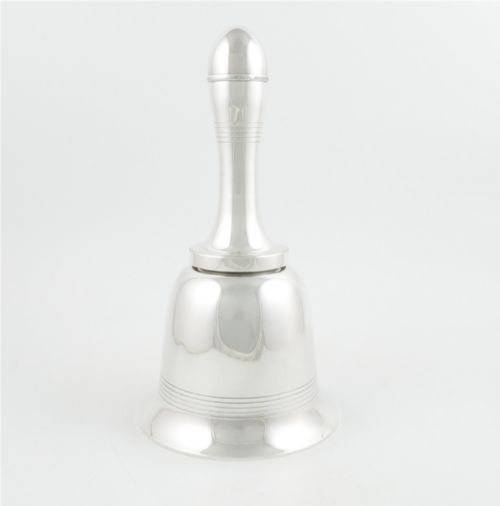
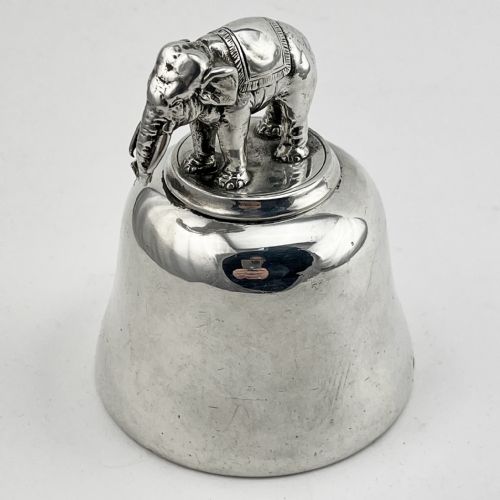
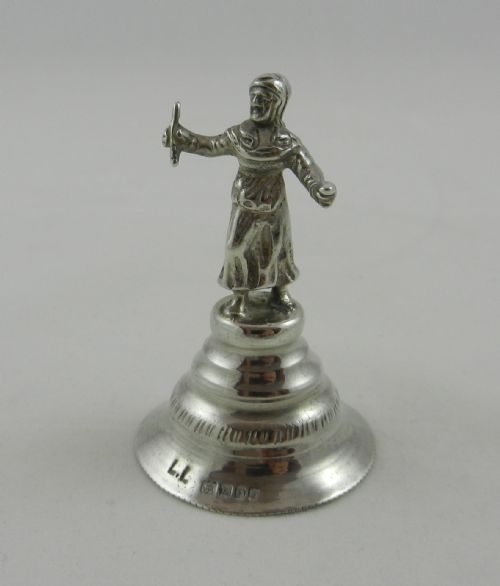
An antique novelty bell combines practical utility with whimsical forms shaped like animals, figures, or everyday objects. When you search for antique novelty bell examples, you encounter items designed to amuse guests while serving a distinct domestic purpose.
The selections on this page span the late nineteenth and early twentieth centuries, capturing Victorian and Edwardian tastes alongside Art Deco creations. Desk bells, table gongs, and combination pieces such as inkstands form the core of what appears in this category.
Makers often fashioned these objects from sterling silver, silver plate, and mixed materials like brass, glass, bone, and mother of pearl. Animals such as pigs appear as mechanical desk bells alongside more conventional table forms.
How antique novelty bell items were made
Silversmiths and metalworkers utilised sterling silver and silver plate, shaping metal through casting, hammering, and polishing. Complex pieces incorporated internal springs and levers to operate mechanical striking mechanisms within animal forms.
Carvers also worked with natural materials like bone, horn, mother of pearl, and mango wood to construct the bodies and stands of gongs and bells. Glass components were integrated into desk sets and inkwells to hold liquids securely alongside the metal striking parts.
Antique Novelty Bell Retail Price Guide 2026
Typical asking prices for novelty bell among the pieces listed under this phrase on Sellingantiques today, from the lower quarter to the upper quarter. They describe what is for sale here now, not the wider market.
Listings feature sterling silver, silver plate, brass, glass, bone, horn, and mango wood across the Victorian, Edwardian, and Art Deco periods.
What varies in quality in antique novelty bell pieces
Quality rests upon the precision of the mechanical action and the naturalism of the sculptural form. A well-executed animal figure shows careful attention to anatomical detail in the casting and smooth operation of the internal bell mechanism.
The choice of materials and the crispness of hallmarks or maker stamps further distinguish finer examples. Sterling silver construction and integrated combination pieces like inkwells demand a higher standard of craftsmanship than simpler plated items.
Asprey and Co
The Antique Novelty Bell Glossary
- Sterling silver
- A silver alloy containing 925 parts of silver per thousand by mass. This standard metal appears frequently in Victorian desk accessories and table bells.
- Silver plate
- A layer of silver applied to a base metal core such as copper or brass. Manufacturers utilised this technique to achieve the appearance of solid silver at a lower cost.
- Desk bell
- A small bell placed upon a writing surface for summoning servants or attendants. Many examples incorporate mechanical plungers or swinging hammers.
- Inkstand
- A fitted tray or stand holding inkwells, pen rests, and sometimes an integrated bell. These desk accessories brought order to nineteenth-century writing desks.
- Table gong
- A larger percussion instrument suspended from a frame for use in dining rooms. Wooden and metal versions served to announce meals.
Antique Novelty Bell: Frequently Asked Questions
What is an antique novelty bell?
An antique novelty bell is a functional sounding device shaped into an amusing or unusual form, such as an animal or a mechanical figure.
These pieces were produced during the nineteenth and early twentieth centuries to serve practical household functions while entertaining guests.
How were desk bells used?
Desk bells sat upon writing tables and secretary desks to summon household staff or office assistants when needed.
Users pressed a plunger or struck a hammer against the metal dome to produce a clear tone.
What materials make up these bells?
Craftspeople built these objects using sterling silver, silver plate, brass, and glass alongside organic materials like bone, horn, and mother of pearl.
Combination pieces often paired the metal bell with inkwells or wooden stands.
How do I date an antique bell?
Dating relies upon hallmarks stamped into the metal, stylistic indicators from periods such as Victorian or Art Deco, and manufacturing techniques.
Makers often marked silver items with town marks and date letters that identify the year of creation.