




Antique Neoclassical Lighting
Antique neoclassical lighting brings symmetry and ancient architectural motifs to a room, using classical forms like columns and urns.
Antique Neoclassical Lighting
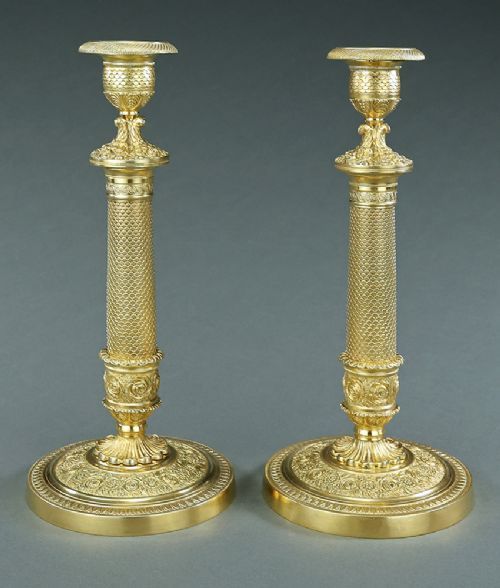
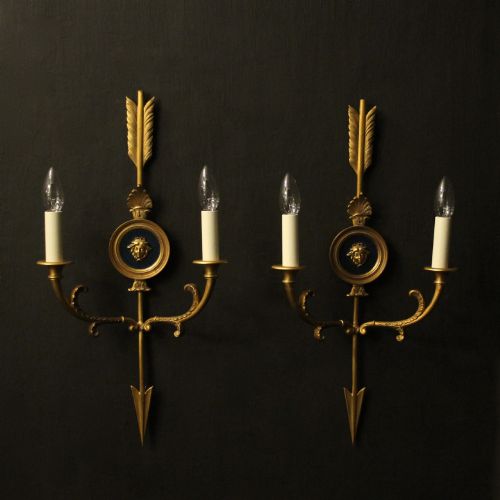
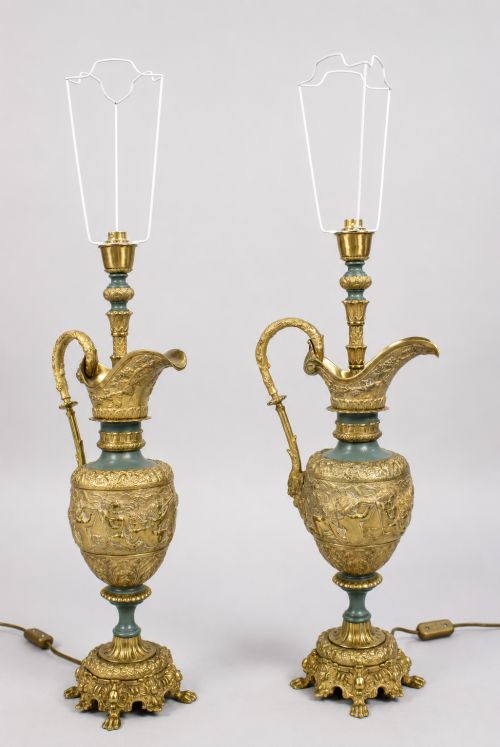
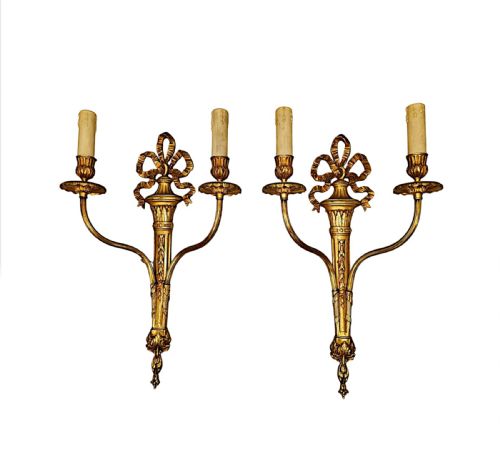
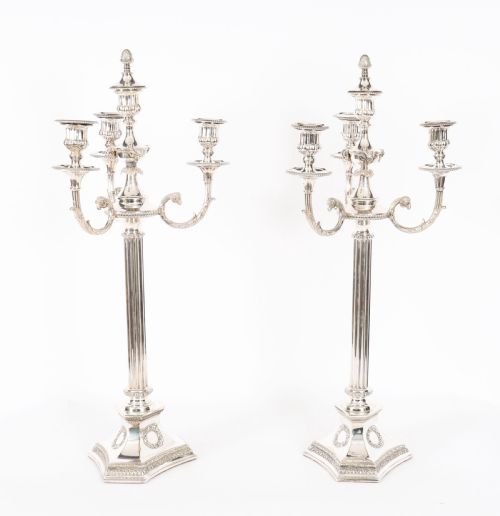
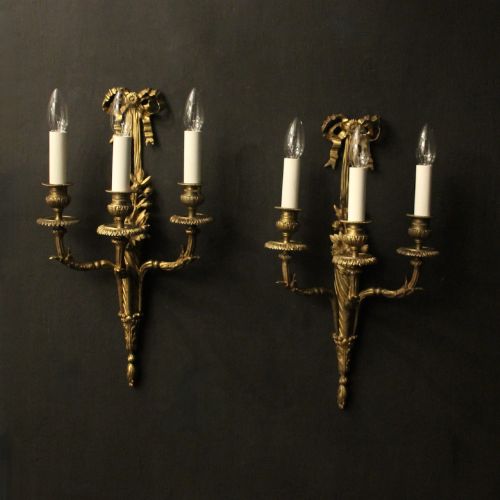
When you search for antique neoclassical lighting, you find fixtures drawing on Greek and Roman design principles, spanning table lamps, wall sconces, candelabra, chandeliers, and candlesticks. The selection ranges widely through the nineteenth century and into the early twentieth century, taking in Victorian and Edwardian revivals as well as French Empire and Louis XVI styles.
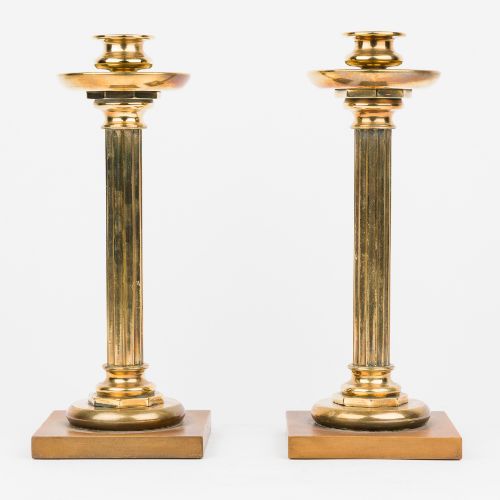
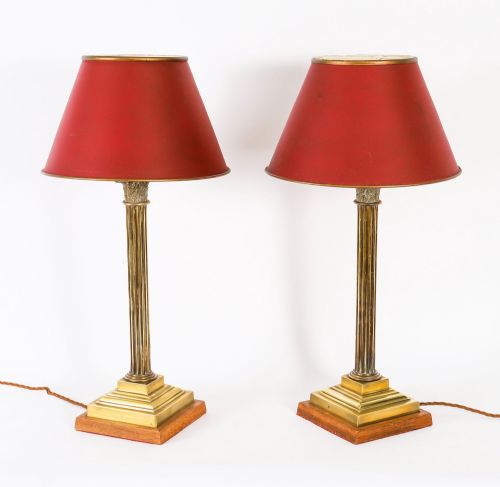
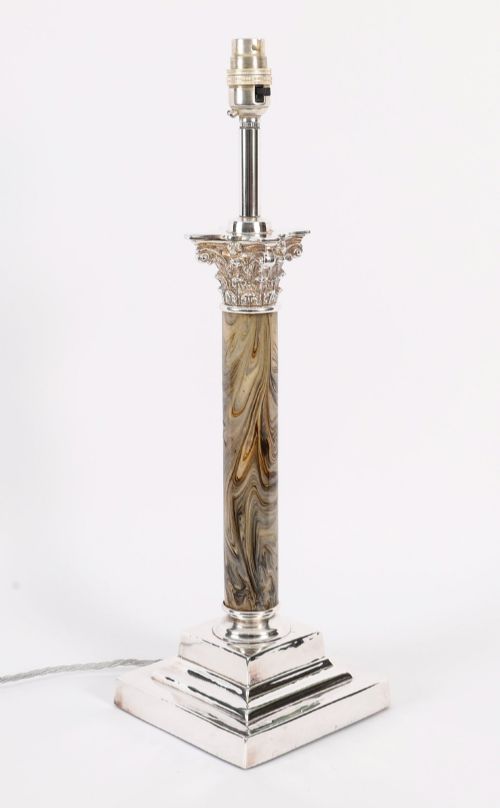
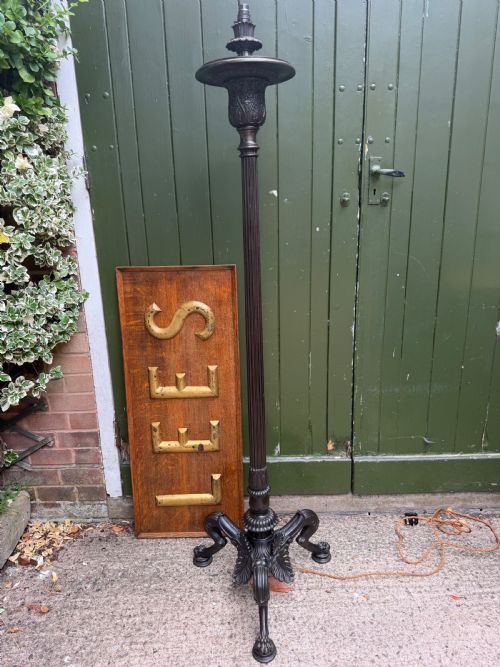
Table lamps built from brass Corinthian columns and silver-plated shafts appear frequently on this page. Alongside these upright forms, you encounter hanging chandeliers, wall lights, and floor-standing standard lamps derived from classical Grecian design.
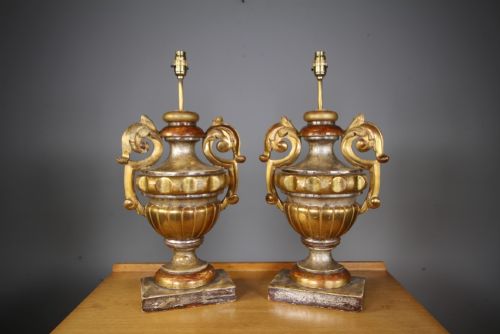
The materials span cast brass, gilt bronze, ormolu, carved giltwood, and tôle peinte, often paired with marble or glass components. Pieces take architectural cues from capitals, tripods, and urns, translating monumental stone architecture into domestic illumination.
Materials and construction methods
Metals form the structural backbone of these pieces, utilising cast brass, bronze, and iron shaped into columns, arms, and wall mounts. Gilt bronze and ormolu finishes provide a golden surface layer through mercury gilding or electroplating.
Carved wooden elements employ pine and gesso, finished with fine layers of gilding to create giltwood wall sconces and lamp bases. Decorative details incorporate porcelain plaques, marble bases, and patinated bronze figures cast in classical moulds.
Materials across the inventory include giltwood, silver plate, white marble, fluorspar, and tôle peinte.
Distinctions in manufacture and execution
The sharpness of the cast ornament separates standard production from superior work. Crisp detailing on acanthus leaves, fluted columns, and rams' heads indicates careful chasing and finishing after the metal leaves the mould.
The weight and integrity of the materials dictate the overall substance of the fixture. Heavy cast brass, substantial bronze, and deeply carved giltwood retain their structural rigour and surface definition far better than lighter, pressed metal alternatives.
Francois Redmond·Dugourc
The Antique Neoclassical Lighting Glossary
- Ormolu
- Gilded bronze, where finely ground gold is amalgamated with mercury and applied to a bronze base. This technique creates a rich, durable golden surface seen on French Empire and Louis XVI pieces.
- Corinthian Column
- A classical column style featuring an ornate capital decorated with acanthus leaves. Many nineteenth-century table lamps adopt this architectural form.
- Candelabra
- A branched candlestick designed to hold multiple taper candles. These fixtures often feature removable arms or central urn motifs.
- Tôle Peinte
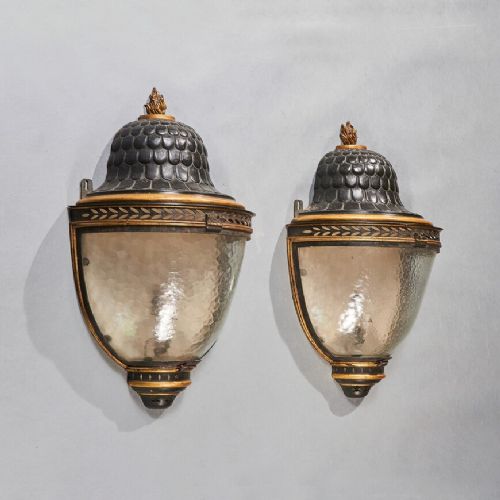
- Painted sheet metal used for decorative lanterns and shades. It provides a smooth surface for applied colours and parcel gilt accents.
- Giltwood
- Wood, typically pine or gesso, coated with a thin layer of gold leaf. It defines ornate wall sconces and carved lamp bases from various nineteenth-century revivals.
Antique Neoclassical Lighting: Frequently Asked Questions
How do I wire antique lamps safely?
Most older fixtures require rewiring to meet modern electrical standards. A qualified electrician can thread modern flex through existing channels without altering the outer metal or wood structure.
Retaining the original brass key switches or candle tubes preserves the historic appearance while ensuring safe domestic use.
Are these fixtures converted from candles?
Many nineteenth-century table lamps and wall lights started life as oil lamps, gaseliers, or candle holders. Conversion work often happened during the twentieth century to accommodate standard electrical bulbs.
Evidence of these changes appears in hollowed columns or adapted drip pans, which house modern lamp holders discreetly.
How do I clean gilt bronze and ormolu?
Dust accumulates in the recessed details of cast ornamentation over decades. Gentle brushing with a soft, dry artist's brush removes surface particles safely.
Avoid abrasive metal polishes, which strip away the delicate gold layer and expose the base bronze underneath.
How do I identify a revival period piece?
Revival pieces from the Edwardian era or late nineteenth century adopt the vocabulary of eighteenth-century Louis XVI or Adam designs. Construction markers such as machine threads, modern wiring channels, or specific casting methods help distinguish these later interpretations from eighteenth-century originals.
The overall weight and the crispness of the gilt surface also provide clues to the exact manufacturing decade.