


Antique Neoclassical Figures
Antique neoclassical figures bring home the poised gravity of antiquity through bronze, marble and porcelain modelled on classical myth and sculpture.
Antique Neoclassical Figures
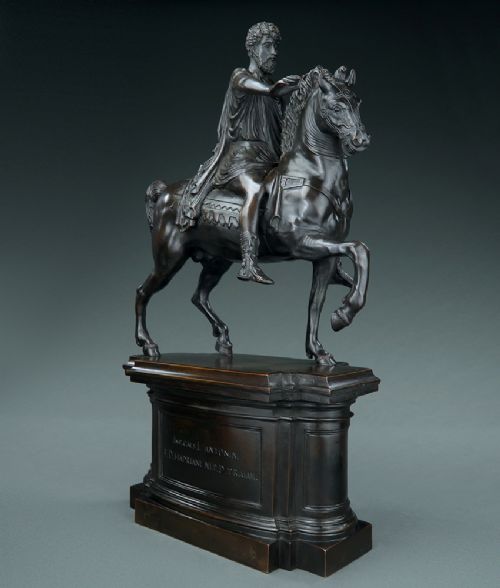
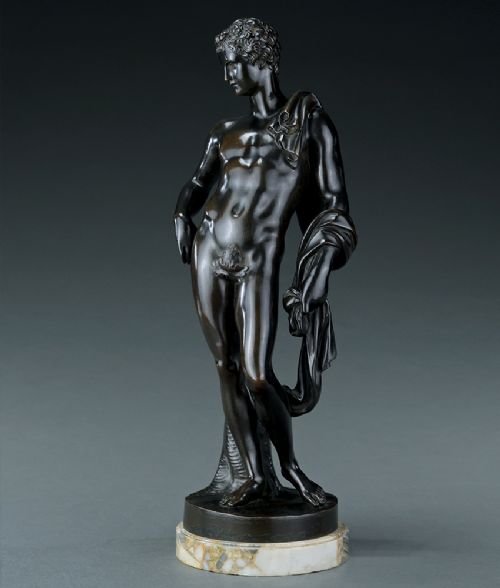
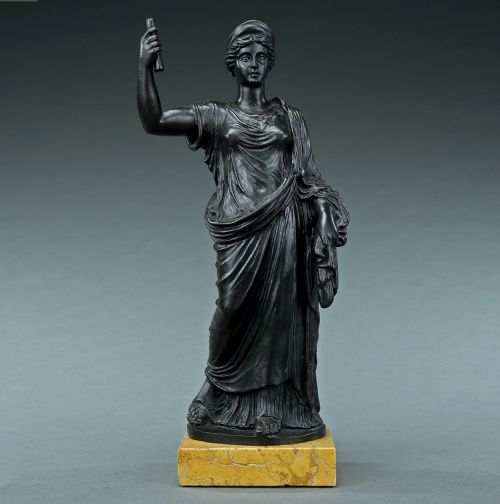
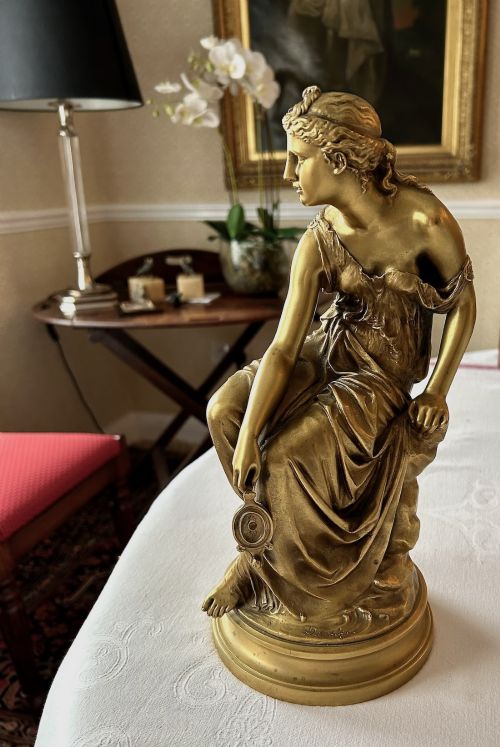
When buyers search for antique neoclassical figures, they encounter sculptural works inspired by Greek and Roman antiquity. These range from Grand Tour souvenirs and mantel clock ornaments to large bronze figures of mythological deities and historical thinkers.
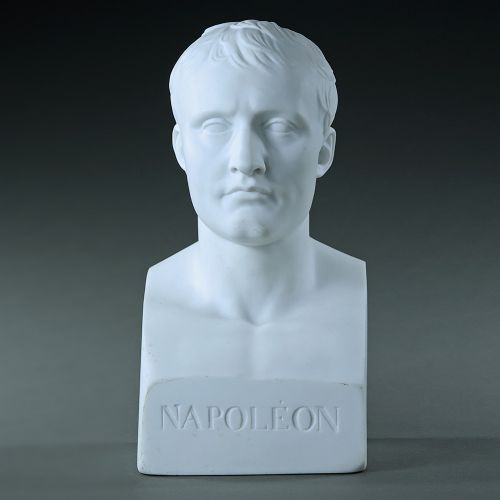
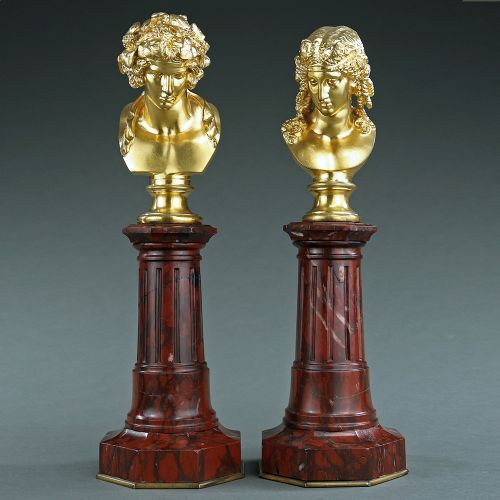
The pieces appearing on this page date predominantly from the nineteenth century, encompassing Georgian, Victorian and French Empire periods. Forms include standing figures of maidens and soldiers, portrait busts on marble bases, and decorative table lamps.
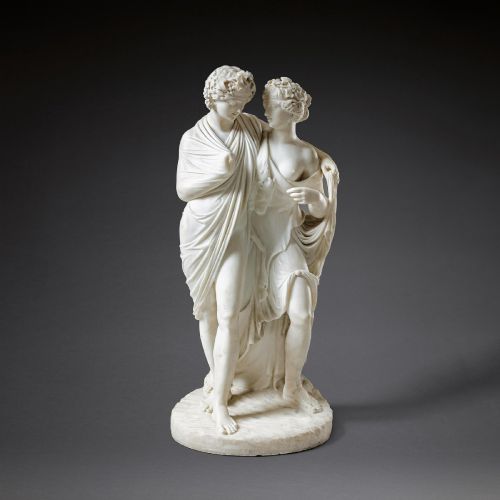
Representations of classical figures draw heavily upon known ancient works, such as the Venus de Milo or Canova's lions. Makers adapted these ancient prototypes into smaller cabinet bronzes, carved marble groups and patinated metal sculptures suitable for domestic interiors.
Materials and technique
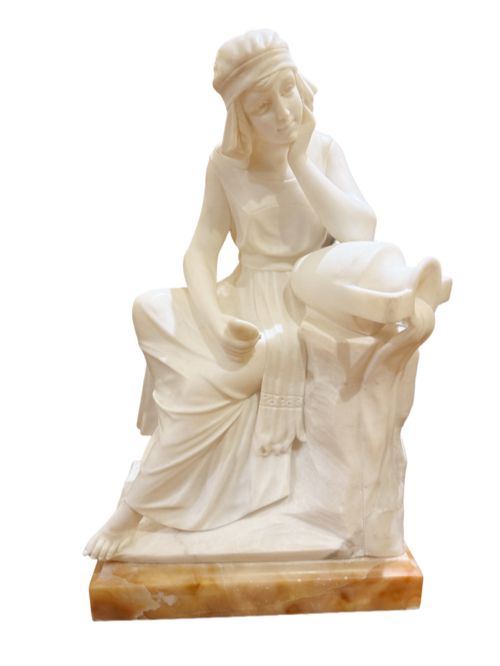
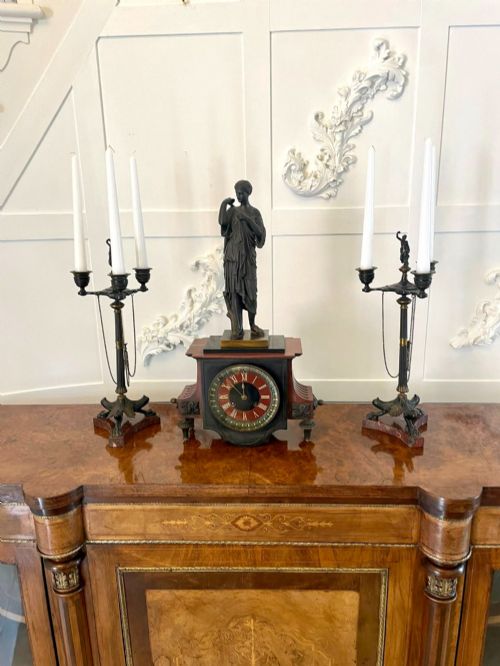
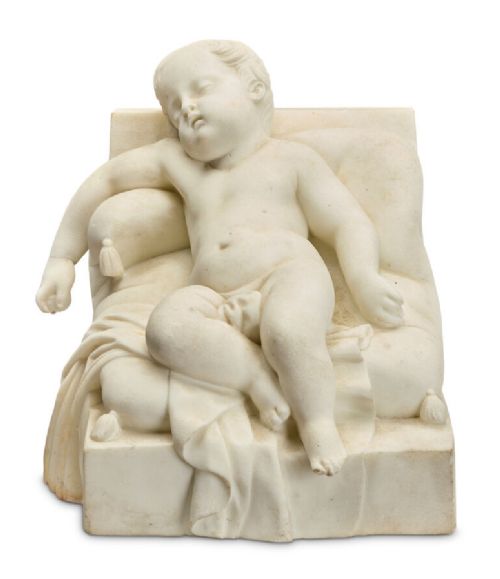
Foundries and studios shaped antique neoclassical figures using bronze, often patinated to highlight muscle and drapery or highlighted with ormolu and gilt bronze details. Marble and alabaster served both for the figures themselves and for contrasting architectural bases.
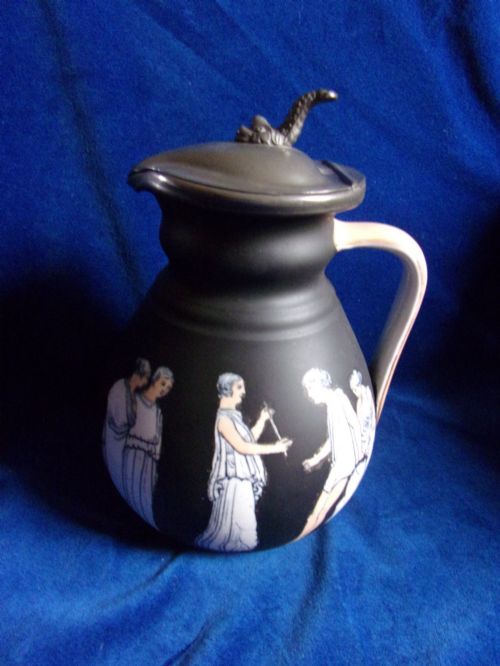
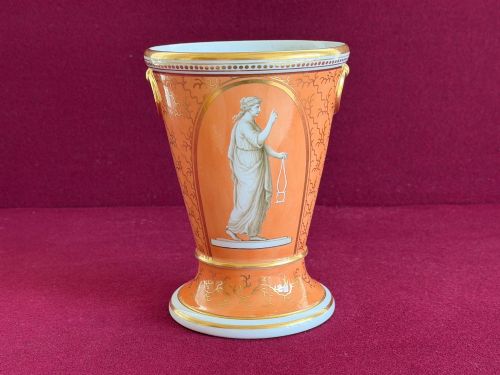
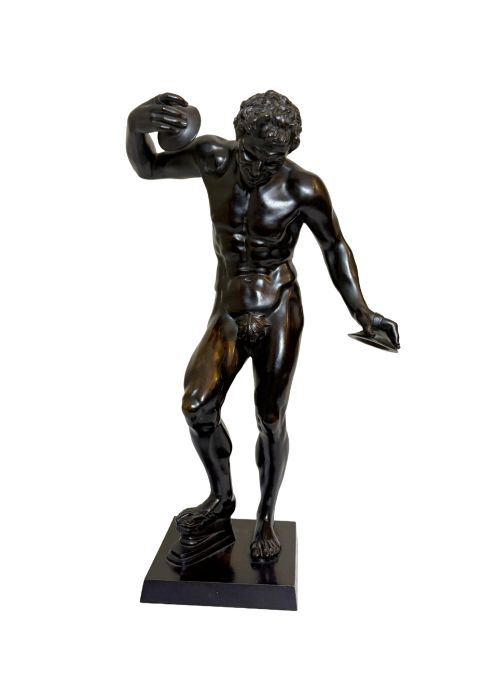
Carvers and bronze-founders relied on lost-wax casting and hand-chiselling to achieve crisp detail on figures of dancers, philosophers and mythological subjects. Porcelain pieces utilised pate-sur-pate and fine hand-painting techniques to render classical scenes.
Even ancient philosophers like Voltaire and Rousseau occasionally found themselves cast in bronze for nineteenth-century mantelpieces.
Variations in quality
In marble and alabaster works, quality reveals itself in the depth of carving and the subtle treatment of hair and fabric. Signed pieces by established makers or recognised foundries demonstrate superior handling of proportion and material.
Etienne-Henri Dumaige·Ferdinand Barbedienne·Carlo Albacini·Émile Louis Picault·Eugene Aizelin
The Antique Neoclassical Figures Glossary
- Grand Tour
- A traditional trip through Europe undertaken by young upper-class men to absorb classical art and culture. Souvenirs brought back included small bronzes and marble busts.
- Ormolu
- Gilded bronze applied to mounts, clock cases and decorative figures. The technique involves creating a gold and mercury amalgam fired onto the bronze surface.
- Patination
- The surface coloration of bronze achieved through chemical treatment or natural ageing. A rich patina adds depth and character to sculptural figures.
- Tazza
- A shallow saucer-shaped vessel or cup mounted on a stem and foot, frequently carved from decorative marbles during the nineteenth century.
- Pate-sur-pate
- A ceramic decorating method where wet porcelain slip is built up in successive layers on a contrasting body to create a low relief cameo effect.
Antique Neoclassical Figures: Frequently Asked Questions
How do I identify a cast bronze?
Cast bronzes display the characteristic weight, metallic resonance and patinated surfaces typical of metalwork from the nineteenth century and earlier. Makers often signed the base or support structure.
Closer inspection reveals the subtle tooling marks left by the metal-chaser who refined the raw casting before applying the final patina.
Where were these figures displayed?
Victorian and Georgian collectors placed these sculptures on library tables, mantelpieces and dedicated pedestal bases within domestic studies and drawing rooms. They signaled erudition and classical taste.
Smaller figures and busts sat comfortably among book collections, while larger candelabra and clocks anchored the centre of the fireplace.
How do I care for antique marble?
Antique marble requires gentle dusting with a dry, soft cloth to prevent particulate accumulation on carved surfaces. Water and harsh chemical cleaners damage the historic stone.
Keeping pieces away from direct heat sources and sudden temperature shifts preserves the integrity of both the marble and any attached bronze mounts.