


Antique Needlework Hanging
When you choose an antique needlework hanging, you bring home centuries of tactile art shaped by global hands.
Antique Needlework Hanging
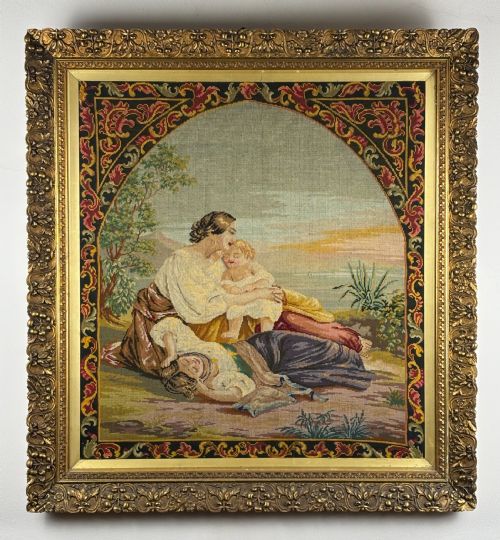
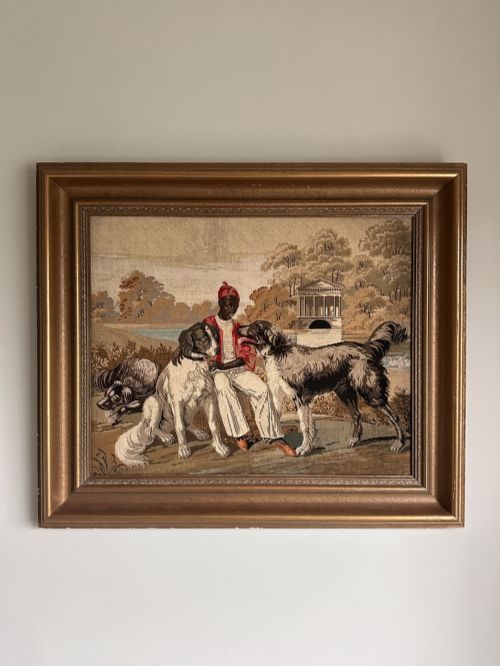
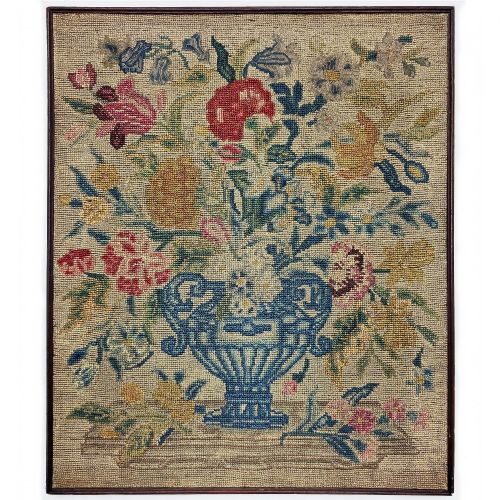
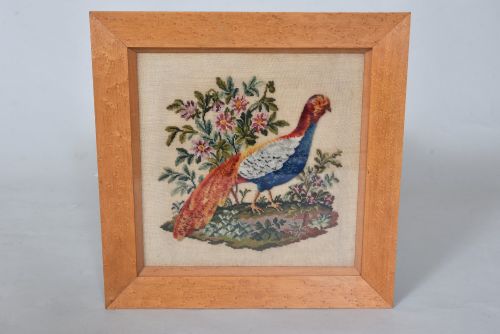
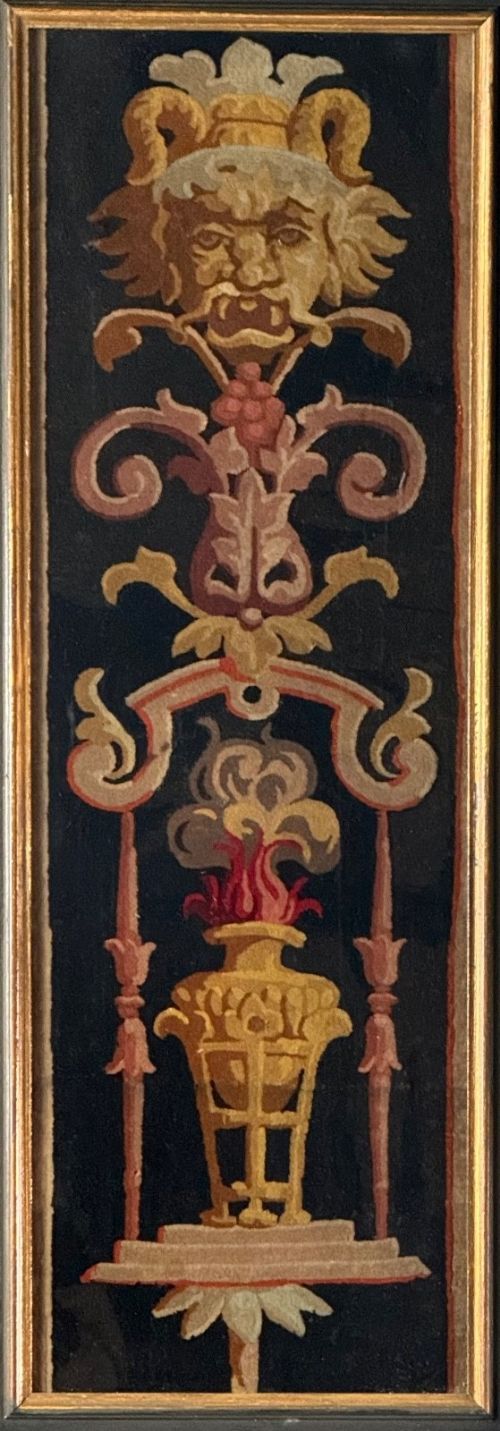
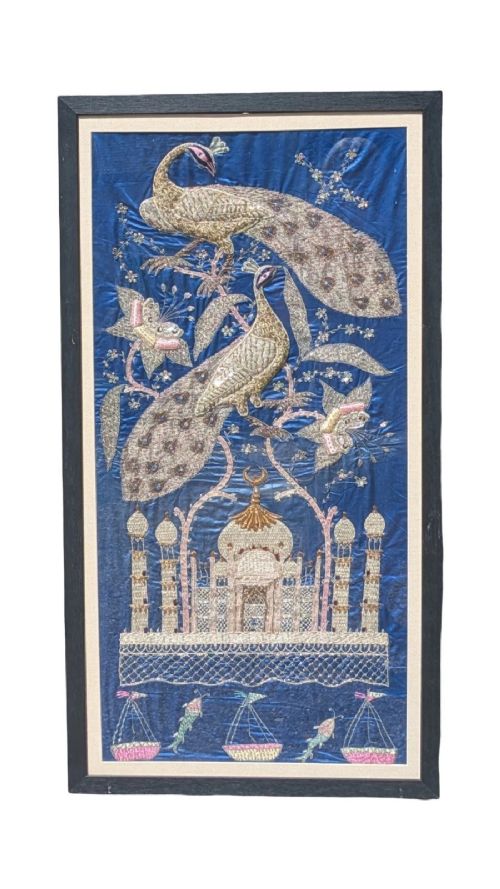
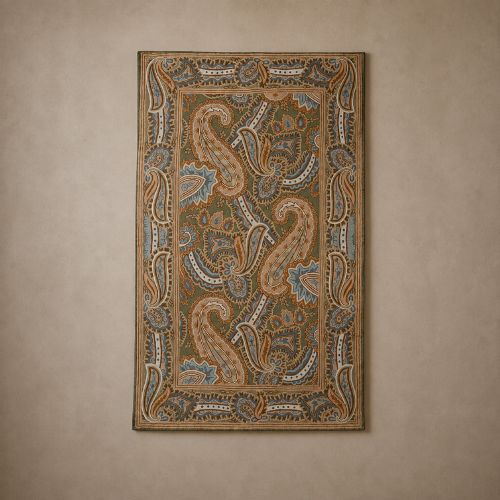
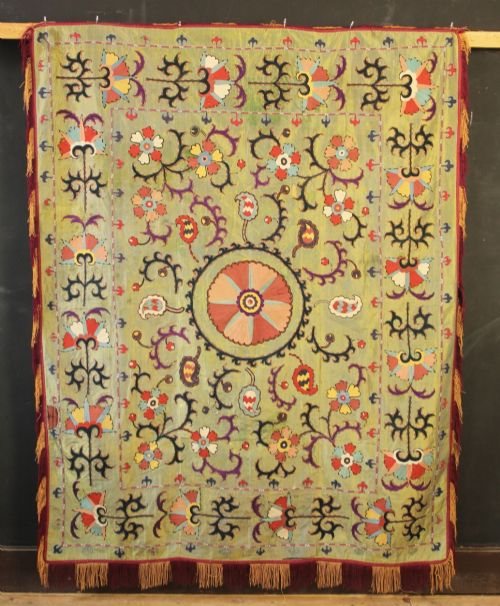
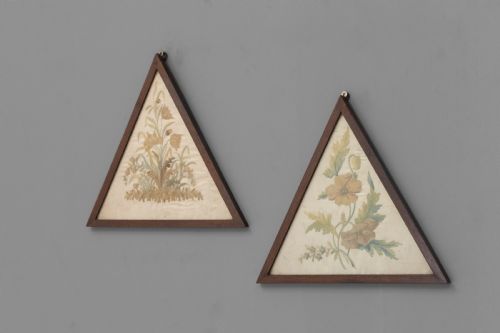
An antique needlework hanging encompasses textile art, wall art, and framed panels designed to decorate interior surfaces. These textiles cross multiple centuries, spanning seventeenth-century European panels up to twentieth-century Central Asian embroideries.
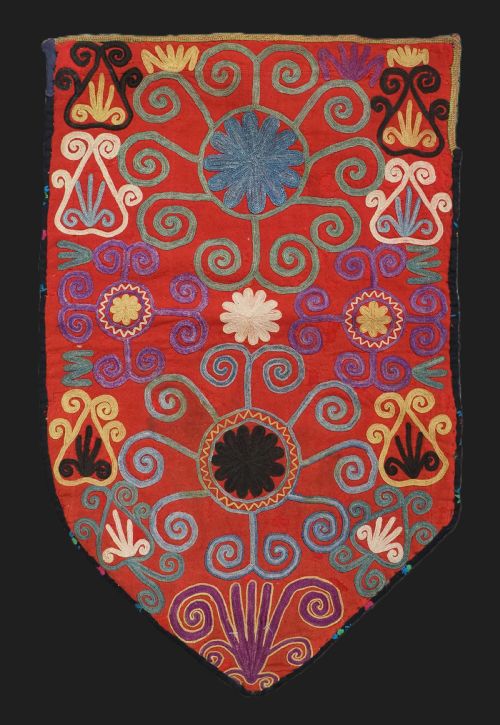
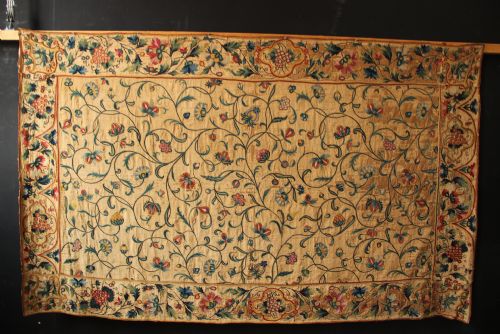
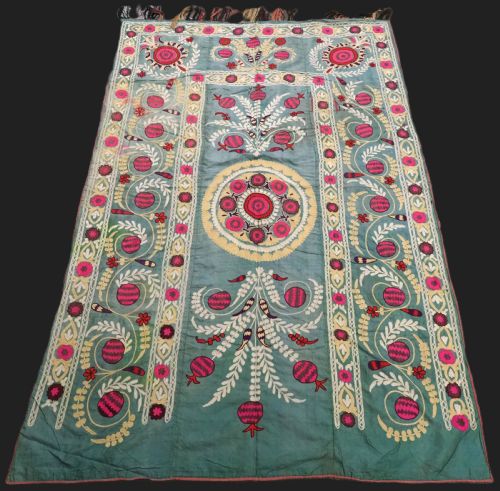
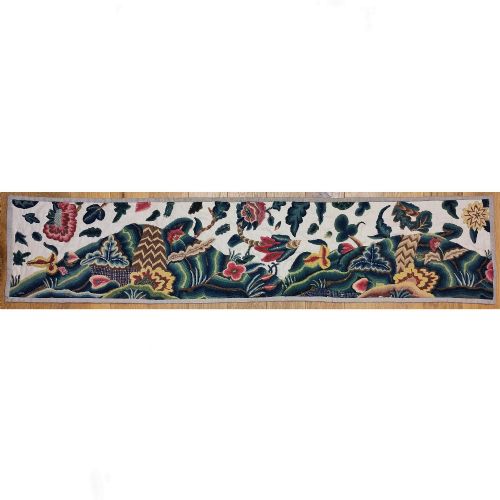
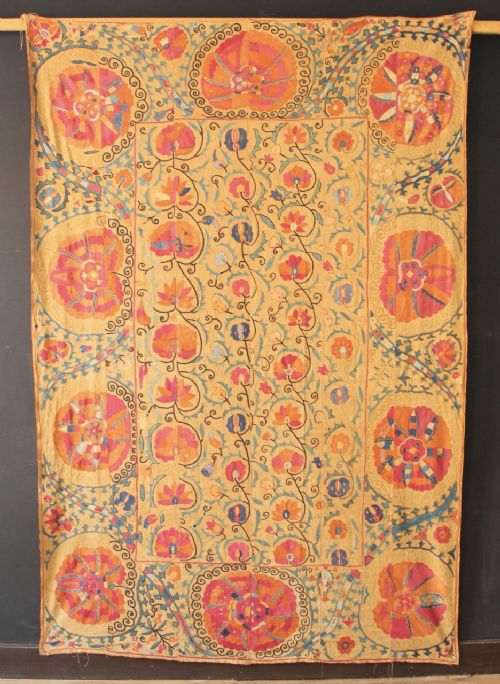
Buyers exploring this category encounter a wide range of forms, from large Uzbek suzanis and Persian Rasht embroideries to English crewelwork panels and Scottish samplers. Central Asian tribal pieces alongside European floral compositions dominate the available selection.
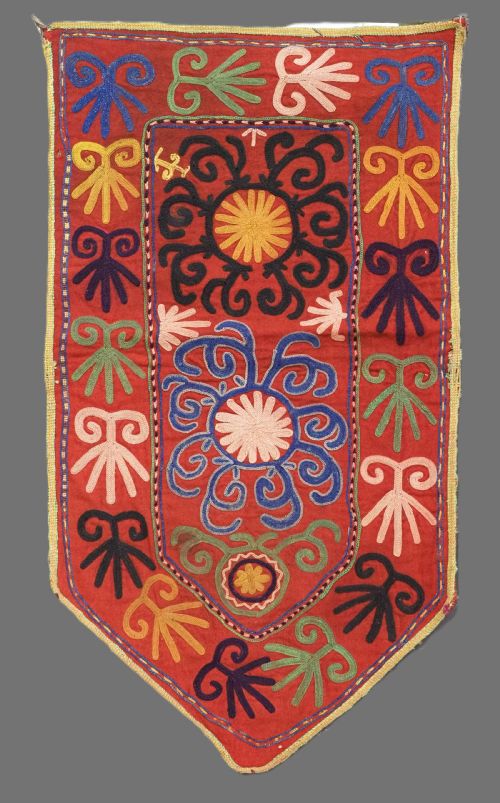
The assortment includes specialised items such as ceremonial horse covers, bed covers, and small wall textiles. Each piece reflects the specific domestic or ceremonial traditions of its region of origin.
Materials and construction methods
Maker construction relies heavily on natural textile foundations including silk, wool, cotton, linen, and wool felt. Artisans stitched intricate designs directly onto these woven grounds utilising fine threads.
Techniques range from crewelwork embroidery and gros point needlework to complex applique work and plushwork. Many Central Asian suzanis combine silk embroidery threads on cotton or silk foundations to create dense floral and star medallions.
Antique Needlework Hanging Retail Price Guide 2026
Typical asking prices for needlework hanging among the pieces listed under this phrase on Sellingantiques today, from the lower quarter to the upper quarter. They describe what is for sale here now, not the wider market.
Listings feature works spanning from the seventeenth century through the Victorian era up to the early twentieth century, utilising silk, wool, and cotton.
What separates examples in quality
Quality rests in the density of the stitching and the complexity of the design layout. Finer examples display meticulous needle control, harmonious colour palettes, and well-balanced geometric or organic motifs.
The condition of the textile ground and the integrity of the original threads dictate the preservation level. Superior pieces maintain their vibrant silk or wool pile without extensive modern intervention.
The Antique Needlework Hanging Glossary
- Suzani
- An embroidered tribal textile originating from Central Asia, typically worked in silk on a cotton or linen ground. These pieces often feature large floral medallions and stars.
- Crewelwork
- A type of embroidery utilising wool yarn on a linen or cotton twill fabric. This technique creates textured surface designs seen in early English panels.
- Rasht embroidery
- A traditional Persian textile style employing inlaid wool felt and silk applique work. These items frequently display detailed floral centres.
- Sampler
- A piece of needlework produced by an individual to demonstrate various stitches and skill levels. Scottish and European examples often include alphabets or pictorial scenes.
- Gros point
- A counted-thread needlepoint stitch worked on canvas. This method produces durable tapestry panels depicting figures or animals.
Antique Needlework Hanging: Frequently Asked Questions
How do I hang a textile safely?
Mount your textile using a non-damaging sleeve or conservation-grade velcro system attached to a padded backing board. This distributes the weight evenly across the fabric without puncturing the historic fibres.
Keep the hanging away from direct sunlight and moisture to protect natural silk and wool threads from fading and degradation over time.
Where were suzanis made?
Suzanis originate primarily from Central Asian regions including Uzbekistan, with distinct styles attributed to cities like Bukhara, Tashkent, and Shahrisabz. Local artisans created these large covers for domestic milestones and ceremonies.
Tribal groups such as the Lakai also produced smaller utility hangings and horse covers with distinct geometric character.
What is Persian Rasht work?
Persian Rasht embroidery involves intricate silk embroidery combined with felt applique work on a coloured felt background. Artisans in northern Persia mastered this technique to build rich floral medallions.
These textiles often serve as decorative wall hangings or covers due to their durable wool felt foundation.
How do I date an embroidery?
Dating relies on examining the specific stitching techniques, natural dye palettes, and the physical characteristics of the underlying linen, cotton, or wool ground. Comparative analysis with documented museum pieces helps narrow down the period.
Regional motifs and structural quirks often point to specific decades, such as the distinct aesthetic of nineteenth-century European samplers versus seventeenth-century panels.