




Antique Neapolitan Figure
An antique neapolitan figure brings the vibrant street life and classical mythology of Southern Italy directly into a room.
Antique Neapolitan Figure
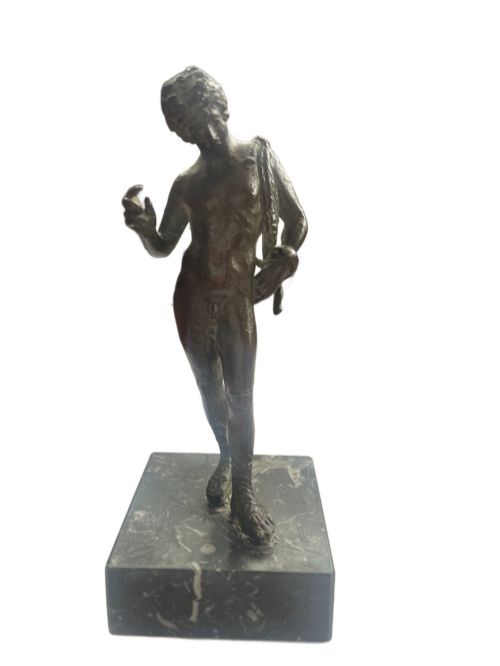
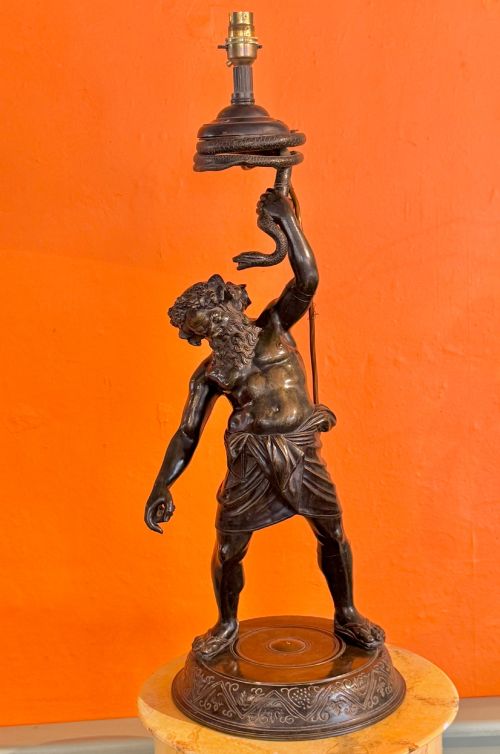
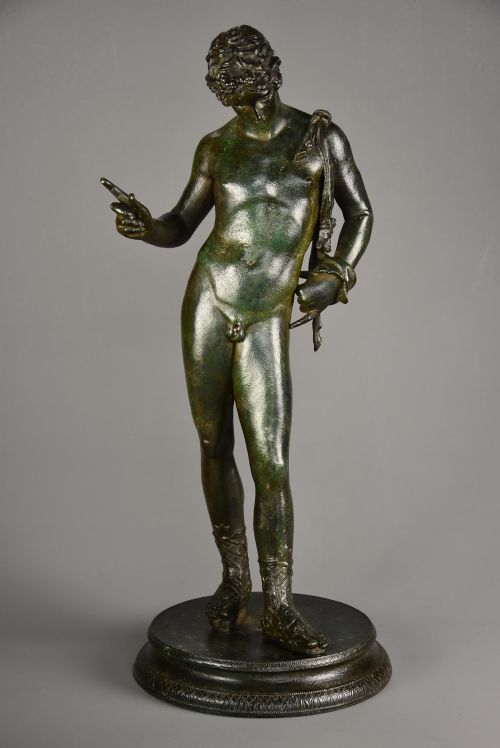
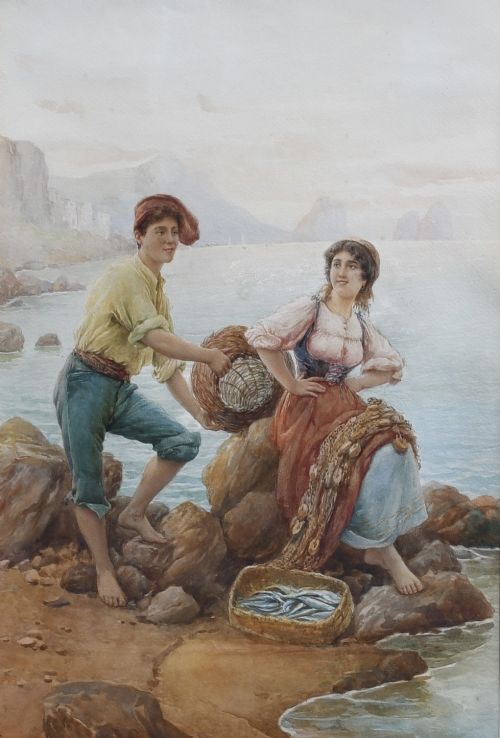
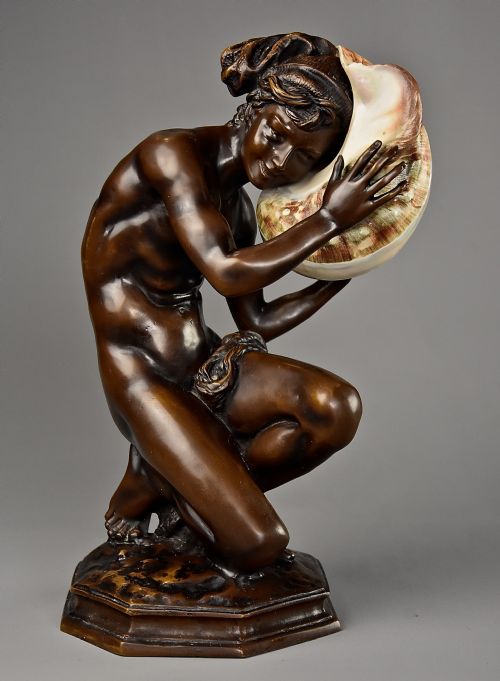
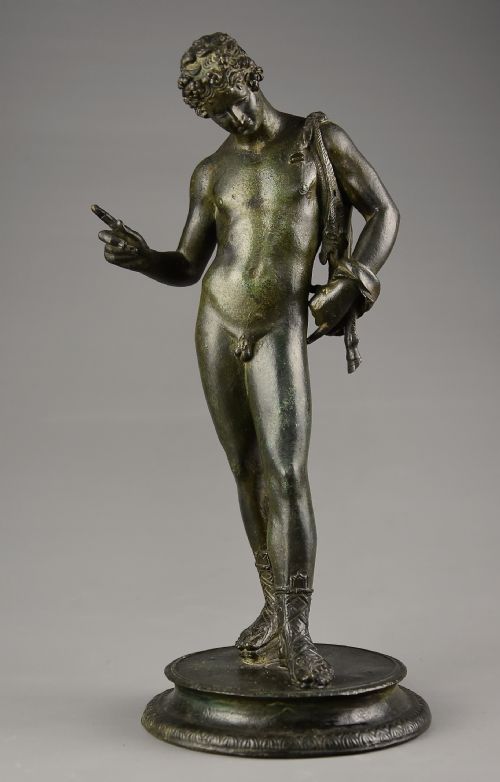
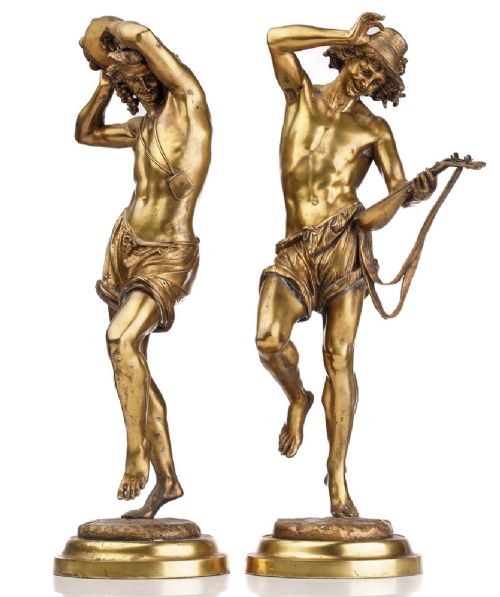
When a buyer searches for an antique neapolitan figure, they encounter sculptural works depicting classical mythological subjects like Narcissus and Dionysus alongside genre studies of local fisherfolk and musicians. These pieces capture the atmospheric charm of Southern Italy through detailed metalwork and terracotta forms.
The most common examples on this page are nineteenth century Grand Tour bronzes cast in Naples, often mounted on fossil marble bases. Subjects derived from Pompeolian archaeological discoveries appear frequently alongside portrayals of traditional local figures.
Earlier eighteenth century examples also occur, specifically creche figures dressed in textiles. These diverse forms reflect both classical revival interests and the lively realism of local Neapolitan street life.
How they were made
Foundry production relied on traditional bronze casting techniques to render intricate details such as patination, hair texture, and naturalistic rock bases. Patination treatments range from dark green surfaces to gilt highlights, defining the visual depth of each sculpture.
Sculptors utilised fine materials including marble, fossil marble, and terracotta alongside bronze and brass components. Watercolour pigments on paper also appear in works recording regional subjects.
What varies in quality
The sophistication of the casting and chasing separates standard souvenirs from works produced by recognised founders and sculptors. Crisp definition in facial expressions, musculature, and drapery distinguishes superior iterations.
The quality of the mounting material, such as figured fossil marble bases, contributes significantly to the presence of the object. Heavier, more substantial metal pours and nuanced chemical patination indicate a higher standard of execution.
G Amodio Naples·Giuseppe Renda·Vincenzo Gemito·Albert Ernest Carrier Belleuse·Francisque Joseph Duret·Michele Amodio
The Antique Neapolitan Figure Glossary
- Grand Tour
- A cultural journey undertaken by wealthy young Europeans visiting classical sites in Italy, acquiring souvenirs such as bronze figures. These objects formed an essential record of travel and classical taste.
- Patination
- The chemical or natural coloration of a bronze surface developed over time or applied by the founder. Different patinas create specific green, brown, or dark tones.
- Creche figure
- A articulated sculptural figure historically used in large nativity scenes, often featuring carved wooden elements and detailed costume. Eighteenth-century examples demonstrate high craftsmanship in local workshops.
- After the antique
- A description for sculptures modelled directly on famous classical Greek or Roman statues discovered during archaeological excavations. These interpretations sustained classical motifs in later periods.
- Genre sculpture
- Artworks depicting scenes from everyday life, such as local fisherfolk or street musicians, rather than historical or mythological narratives. This approach valued regional realism.
Antique Neapolitan Figure: Frequently Asked Questions
What is a grand tour bronze?
A Grand Tour bronze is a souvenir sculpture purchased by travellers visiting Italian archaeological sites during the nineteenth century. These small-scale pieces reproduced famous classical statues for domestic display.
Foundries in Naples specialised in casting reductions of sculptures recovered from Pompeii and Herculaneum. They served as tangible connections to classical antiquity and Italian culture.
How do I identify a neapolitan fisherboy figure?
Neapolitan fisherboy figures typically depict young boys posed near rockwork, often holding fishing nets, baskets, or marine catches. Their animated postures reflect nineteenth-century genre realism.
Many of these works derive from famous compositions by academic sculptors working in France and Italy. They celebrate the vibrant everyday character of Southern Italian coastal life.
Where should I display a bronze figure?
Bronze figures require stable interior locations away from direct moisture and extreme temperature fluctuations to protect their metallic surfaces and patinas. Placing them on sturdy tables or pedestals allows adequate viewing angles.
Heavier pieces mounted on marble bases benefit from level surfaces that support their weight securely. Good ambient lighting helps reveal the subtle variations in patination and chasing.