



Antique Naval Officer Painting
An antique naval officer painting captures the likeness and service of sea commanders across centuries in oils and watercolours.
Antique Naval Officer Painting
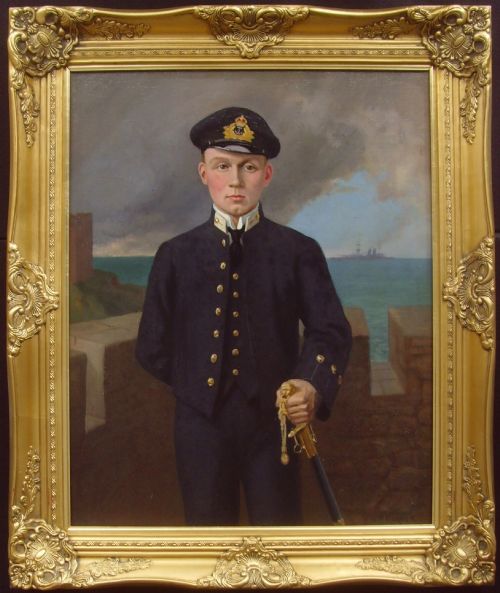
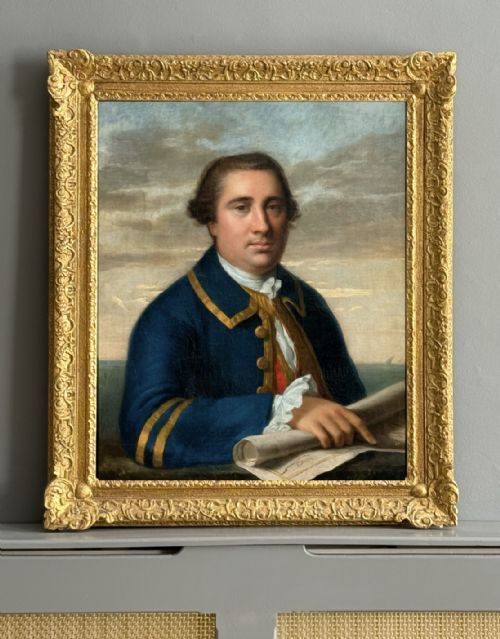
When searching for an antique naval officer painting, buyers encounter portraits rendered across several centuries, capturing commanders from the 17th century through to the mid-20th century. The subjects wear uniforms appropriate to their rank and era, providing a visual record of naval history.
Oil on canvas works dominate the selection, accompanied by watercolours, portrait miniatures on agate panels, and enamel miniatures set in gold. These range from large framed statement pieces to intimate cabinet works.
The periods represented stretch from Elizabethan explorers to Victorian admirals and mid-20th century fleet commanders. This variety allows collectors to focus on specific historical campaigns or artistic styles.
Materials and methods
Frames play a significant role in the construction of these works, with period examples featuring giltwood or gold settings. Some miniatures incorporate precious metals such as 18k gold to house the painted panel securely.
Antique Naval Officer Painting Retail Price Guide 2026
Typical asking prices for naval officer painting among the pieces listed under this phrase on Sellingantiques today, from the lower quarter to the upper quarter. They describe what is for sale here now, not the wider market.
Listings span periods from the 17th century to the mid-20th century, employing oil on canvas, wood, paper, and agate panels.
Assessing the work
Quality rests upon the skill of the artist in capturing the likeness, psychology, and uniform details of the subject. Works by recorded portraitists display superior handling of light, fabric texture, and facial expression compared to anonymous school pieces.
The preservation of the paint surface and the originality of the frame influence the overall integrity of the piece. Clean canvases with minimal restoration and well-maintained period frames represent the higher tier of available works.
Lemuel Francis Abbott·Henry Bone·John Simmons·Sir Thomas Lawrence·George Frederick Clarke·Henry L Gates·Samuel Lane·John Laviers Wheatley·Robert Ker Porter·Ambrosini Jerome·Richard Hall
The Antique Naval Officer Painting Glossary
- Oil on canvas
- A painting medium where pigments are suspended in a drying oil, applied to a woven fabric support stretched across a wooden frame. This method allows for rich colour blending and durability over centuries.
- Portrait miniature
- A small-scale painting, often executed on ivory, vellum, paper, or stone, designed for private viewing or wearing. These works require precise brushwork due to their diminutive size.
- Giltwood
- Wood carved and coated with gold leaf or a gold-coloured metallic finish. This material is commonly found on traditional picture frames accompanying fine art portraits.
- Campaign chest
- A portable set of drawers constructed in sections with brass corners and recessed handles for military or naval transport. Examples appear alongside maritime art in period interiors.
- Enamel miniature
- A painting created using powdered glass fused to a metal substrate through firing in a kiln. This technique yields a glossy, resilient surface that resists fading.
Antique Naval Officer Painting: Frequently Asked Questions
How do I identify the rank of the officer?
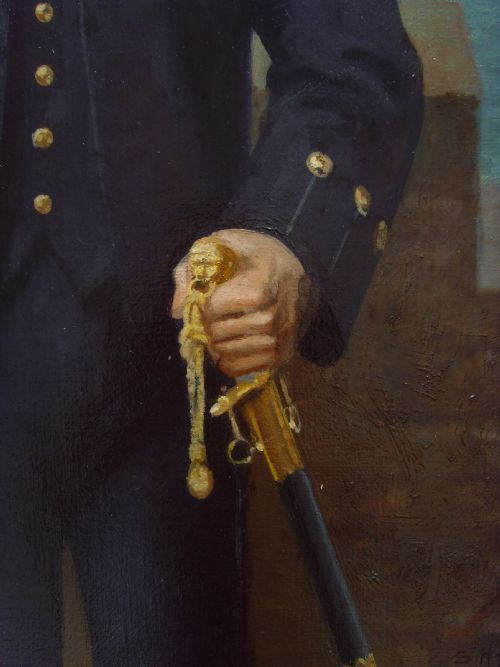
Uniform details, lace, epaulettes, and medals depicted in the portrait indicate the specific rank and era of the sitter. Naval regulations changed across the centuries, providing clear visual markers for historians.
Researching the uniform style alongside the artist's working dates often reveals the precise decade of the painting's creation.
Where should I hang a large oil portrait?
Large canvas paintings require stable wall space away from direct sunlight and excessive humidity to protect the oil paint and canvas. Traditional rooms with good ambient light suit these substantial works best.
Ensure the wall fixings can support the weight of both the heavy canvas frame and any ornate giltwood surrounds.
How do miniatures differ from standard portraits?
Miniatures are painted on a much smaller scale, often on specialised panels like agate or paper, intended for close inspection rather than wall display across a room. They rely on meticulous stippling and fine lines.
Standard portraits on canvas utilise broader brushstrokes and are composed for distant viewing in domestic or institutional settings.
Can I determine who the artist was?
Signatures, monograms, or inscriptions on the reverse of the canvas or frame often point directly to the painter. Documentation accompanying the piece may also record provenance.
When a piece is unsigned, stylistic comparison with known works by contemporary portraitists helps attribute the painting to a specific studio or circle.