





Antique Nautical Wheel
An antique nautical wheel brings the heavy timber and polished brass of the sea straight into a room, offering a tangible piece of maritime history.
Antique Nautical Wheel
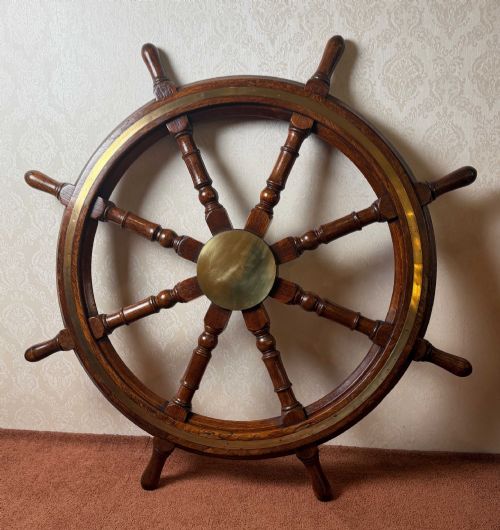
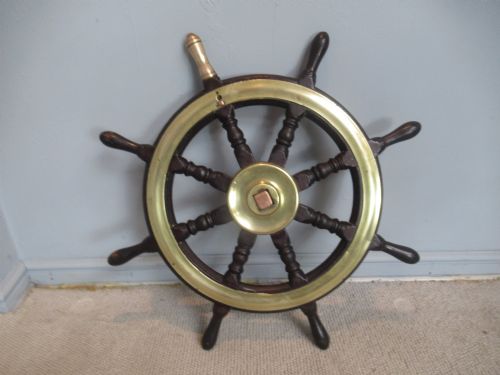
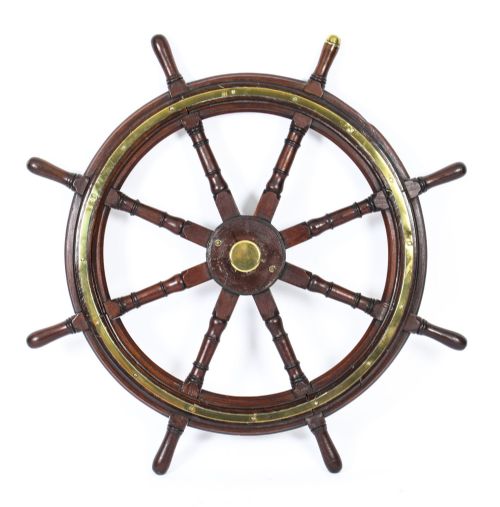
An antique nautical wheel encompasses full-scale wooden steering helms alongside domestic objects shaped like a ships wheel, such as mantel clocks, barometers and fob compasses. These pieces range from large steering helms in teak and oak to smaller Victorian desk accessories and French four glass clocks incorporating the motif.
Buyers seeking this phrase encounter objects spanning the nineteenth and early twentieth centuries, including Victorian maritime pieces and industrial items. The forms vary from utilitarian wooden helms with brass mounts to ornate domestic timepieces designed with maritime themes.
How they were made
The construction of these pieces relies on durable timbers like teak, oak, walnut and general hardwood, selected for strength in marine environments or stability in domestic furniture. Metal components typically involve brass, gilt brass and chrome, paired with glass for clock faces and barometer dials.
Makers shaped heavy timbers into multi-spoke steering wheels and turned small-scale novelty items using traditional woodworking and metal casting techniques. Enamel is also utilised on dials, while painted finishes appear on specific regional pieces such as Welsh examples.
Antique Nautical Wheel Retail Price Guide 2026
Typical asking prices for nautical wheel among the pieces listed under this phrase on Sellingantiques today, from the lower quarter to the upper quarter. They describe what is for sale here now, not the wider market.
Someone once needed a miniature silver compass shaped like a steering wheel just to keep track of time in miniature.
What varies in quality
Quality in an antique nautical wheel depends on the integrity of the materials, the crispness of the carving in woods like walnut or oak, and the precision of the mechanical movements in clocks and barometers. Larger steering helms show distinction in the turning of the spokes and the fit of the brass hub bands.
Domestic items vary according to the sophistication of their French or English clockwork movements and the quality of the brass housing. Original surface patination and untouched condition elevate pieces above those with excessive later restoration.
Benson Electric Co USA·Gay Vicarino·Pascall Atkey of Cowes
The Antique Nautical Wheel Glossary
- Ship's wheel
- A large wooden steering wheel fitted with spokes and a central hub, designed to control the rudder of a vessel.
- Four glass clock
- A mantel clock housed in a brass frame with four glass panels that expose the internal movement from all sides.
- Bulkhead clock
- A clock designed to be mounted directly onto the wall of a ship cabin or room, often paired with a matching barometer.
- Fob compass
- A small portable pocket compass, sometimes fashioned in novelty shapes such as a miniature ships wheel for attachment to a chain.
Antique Nautical Wheel: Frequently Asked Questions
How do I hang a large ship's wheel?
Large wooden steering wheels require secure wall fixings capable of supporting substantial weight, typically anchored directly into studs or masonry using heavy-duty brackets behind the central hub.
Positioning the wheel at eye level allows the grain of the teak or oak and the detail of the brass fittings to remain the focal point of the wall.
What is a four glass clock?
A four glass clock is a mantel timepiece enclosed within a brass and glass case that reveals the swinging pendulum and gear train from multiple angles. These pieces were frequently produced in nineteenth-century France.
Many incorporate maritime themes, such as frames styled around a ships wheel, combining decorative clockwork with nautical motifs.
How do I care for teak and brass?
Teak and hardwood surfaces benefit from occasional light dusting and minimal moisture to preserve the natural grain and original patina. Avoiding harsh chemical cleaners prevents damage to the aged timber.
Brass components can be left with their natural aged tarnish or gently polished with a soft cloth, depending on whether a bright finish or historical patina is preferred.
Where were bulkhead clocks used?
Bulkhead clocks were originally designed for use on ships, mounted to interior bulkheads to withstand marine environments and motion. Their robust metal cases in brass or chrome ensured durability.
In domestic settings, these pieces are typically displayed in studies or hallways, often paired with a matching barometer in the same maritime style.