


Antique Nautical Ornament
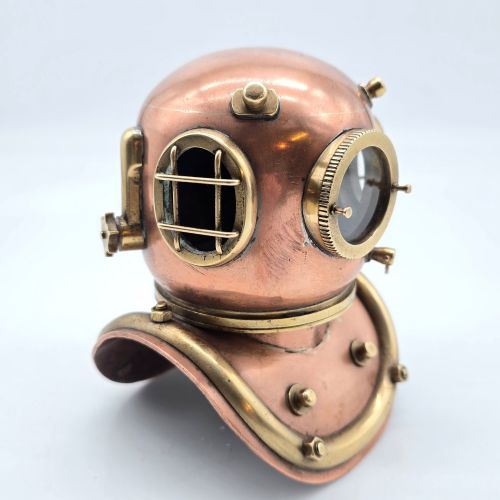
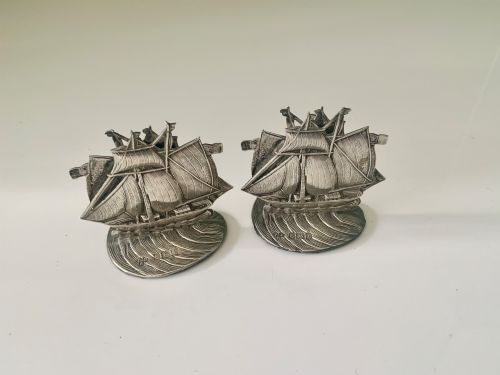
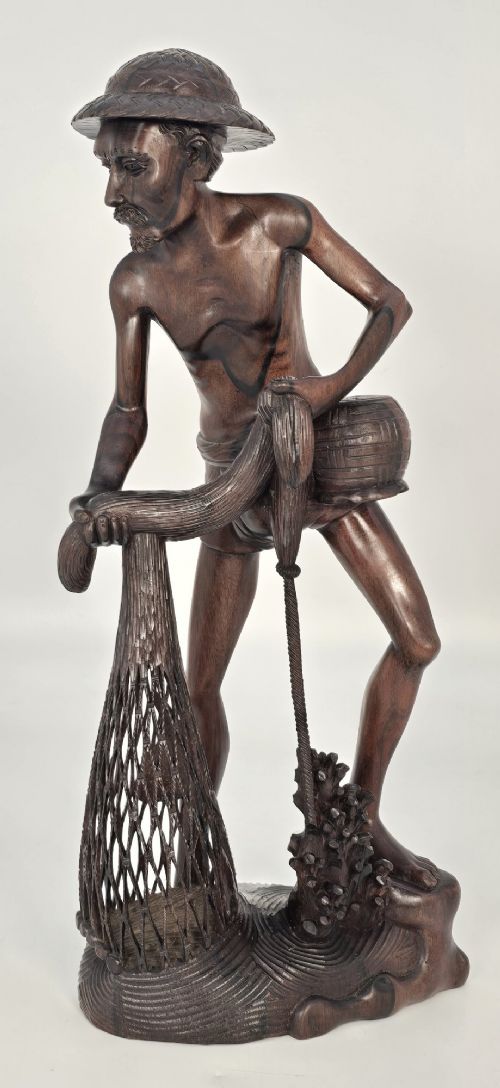
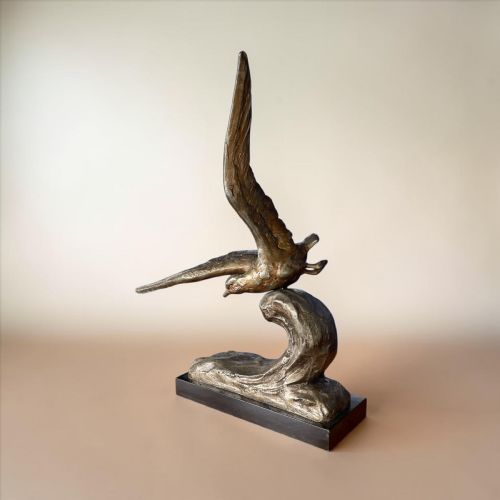
These pieces of antique nautical ornament bring maritime history into the room, offering carved figures, model ships and heavy bronze cannons for your desk or shelf.
Antique Nautical Ornament
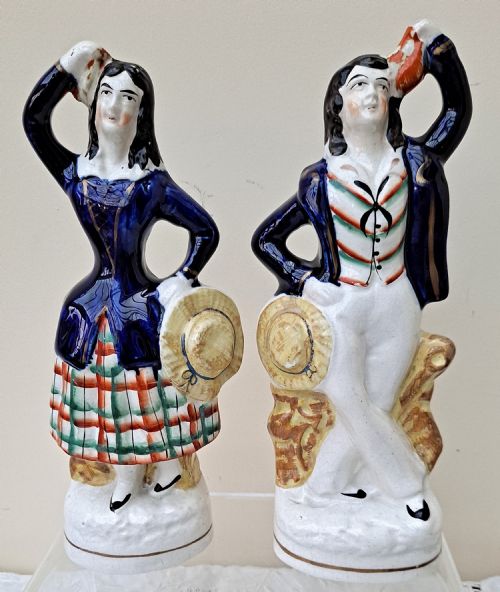
When you search for an antique nautical ornament, you encounter a varied selection of maritime objects spanning the nineteenth and early twentieth centuries. The pieces range from Staffordshire earthenware figures and carved hardwood fishermen to detailed model ships and brass signal cannons.
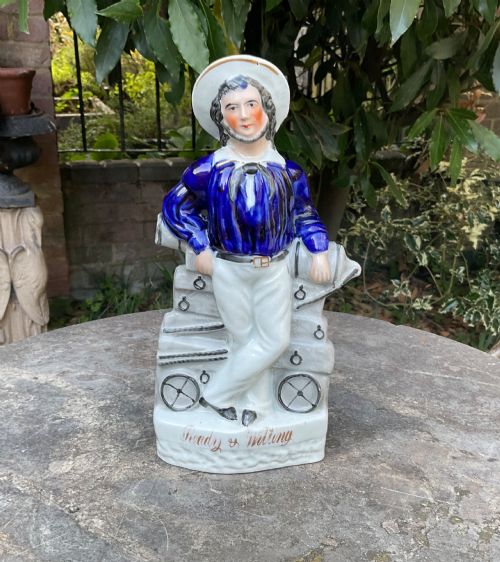
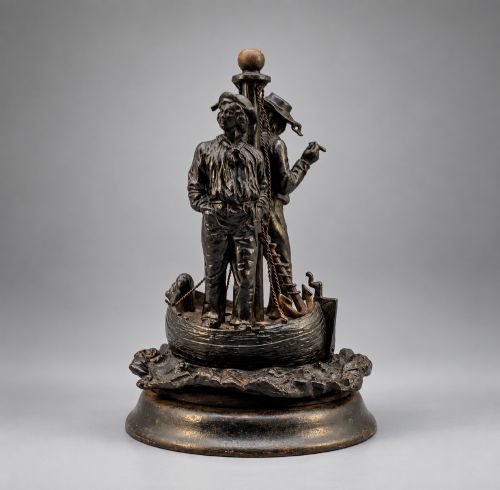
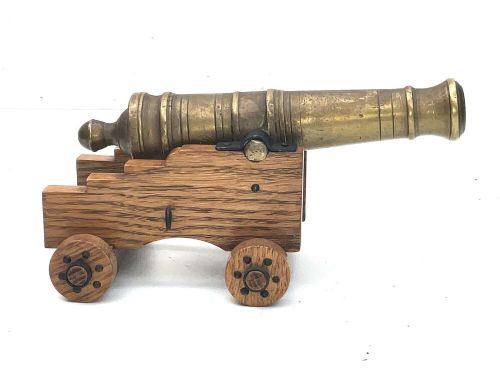
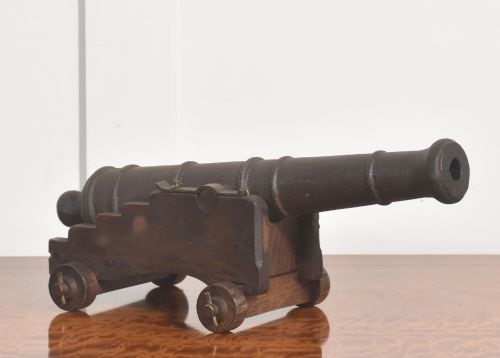
You are most likely to meet Victorian Staffordshire pottery figures depicting sailors and theatrical characters, alongside small cast iron or bronze cannons mounted on wooden carriages. Model ships, carved flying fish and ceramic bisque groups also feature prominently across the collection.
How they were made
The makers utilised durable metals such as brass, bronze and cast iron for signal cannons and anchors, often pairing them with oak or mahogany carriages. These metal components involved casting and polishing techniques to achieve a solid finish.
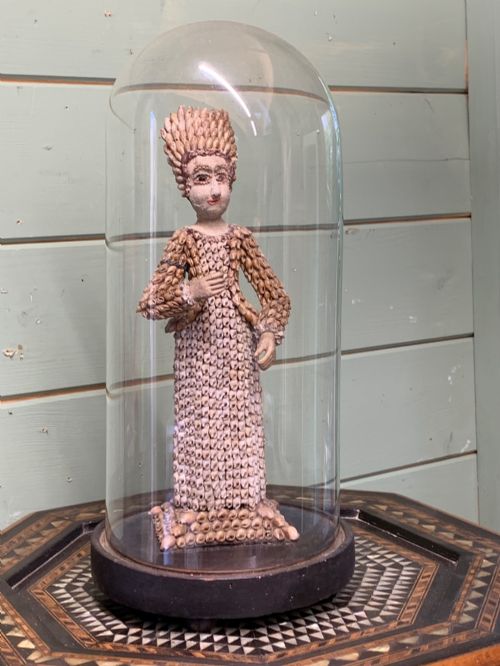
Ceramic pieces rely on earthenware, glaze and bisque, frequently hand-painted with coloured enamels in the Staffordshire tradition. Carved items draw on timber and seashell, shaping hardwood and natural materials into detailed figures and sailing vessels.
A nineteenth-century Pitcairn carved flying fish brings Pacific waters straight to the mantelpiece.
What varies in quality
Quality rests upon the crispness of the casting in metal cannons and anchors, where finer pieces retain sharp barrel details and properly fitted wooden undercarriages. In ceramic figures, the clarity of the moulding and the preservation of the painted enamel glazes dictate the standard.
Carved wooden and seashell objects demonstrate quality through the intricacy of the hand-carving and the natural preservation of the material. Well-proportioned scale models and weighty bronze groups stand apart through their structural stability and fidelity to actual maritime vessels.
The Antique Nautical Ornament Glossary
- Bisque
- Unglazed white porcelain fired once, producing a matte texture popular for delicate nineteenth-century tabletop figures and nautical groups.
- Staffordshire pottery
- Earthenware figures produced in the English potteries, known for hand-painted details and theatrical or patriotic maritime subjects.
- Signal cannon
- A small ordnance piece used on ships or estates to signal times or events, frequently reproduced as heavy brass or iron desk ornaments.
- Galleon
- A large sailing ship of the sixteenth and seventeenth centuries, often represented in Edwardian silver menu holders and decorative models.
- Stockless anchor
- A modern anchor design without traditional cross-bars, appearing in scale models from the early twentieth century.
Antique Nautical Ornament: Frequently Asked Questions
What is an antique nautical ornament?
An antique nautical ornament is a decorative maritime object, ranging from Staffordshire sailor figures to brass cannons and model ships.
These pieces reflect maritime heritage and were typically displayed in homes or offices during the nineteenth and early twentieth centuries.
How were model cannons used?
Model cannons served primarily as decorative desk ornaments, heavy paperweights or signal pieces for maritime use.
Larger examples cast in bronze or iron were sometimes fired with small powder charges on celebratory occasions.
How do I identify a Victorian Staffordshire figure?
Victorian Staffordshire figures are made from earthenware and usually depict named characters, sailors or theatrical subjects from the mid-nineteenth century.
They feature hand-painted enamel colours and moulded details that reflect popular patriotic sentiments of the Crimean War era.
Where should I display a model ship?
Model ships and sailing boat ornaments require stable surfaces away from direct sunlight and excessive humidity to protect their rigging and wood.
Placing them on a desk, bookshelf or mantelpiece allows the intricate carving and scale details to be appreciated fully.