






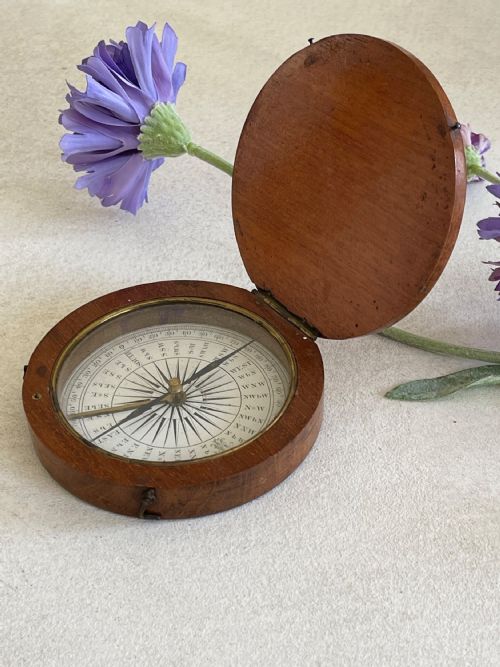


Antique Nautical Box
An antique nautical box is a seafaring vessel of history, built from timber and brass to preserve the instruments and treasures of the ocean.
Antique Nautical Box
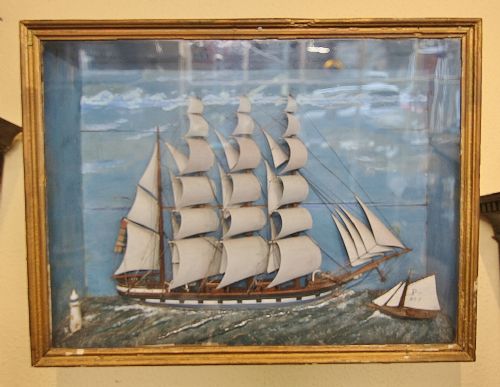
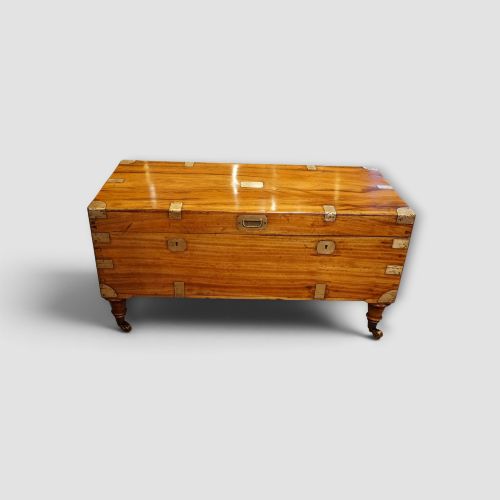
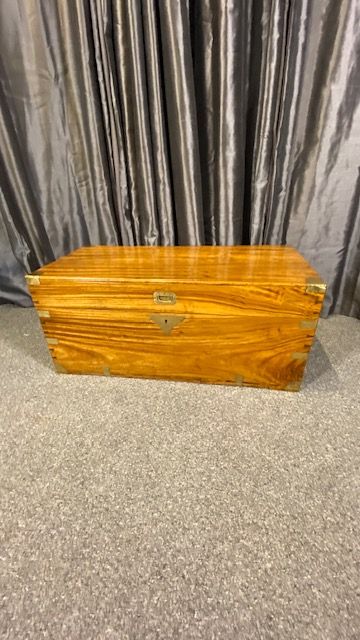
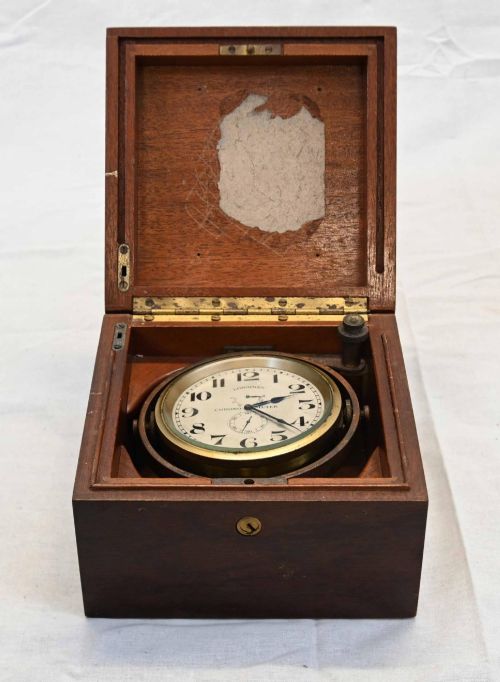
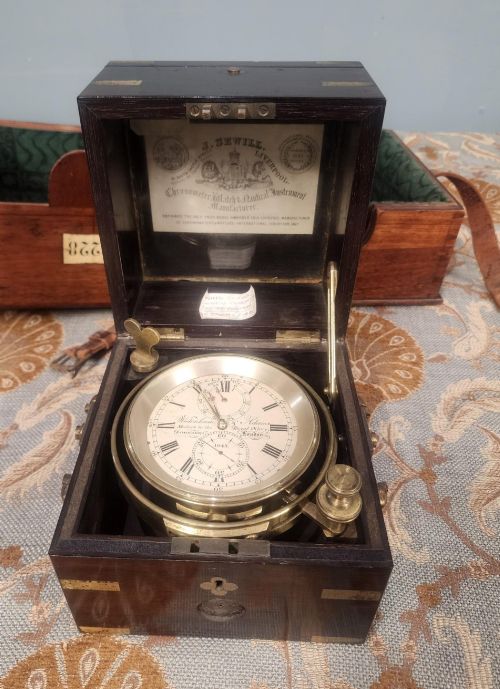
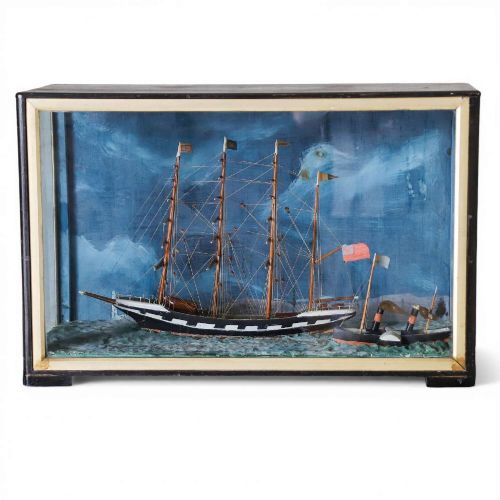
When you search for an antique nautical box, you enter a domain of maritime craftsmanship spanning the Georgian, Victorian and early twentieth-century periods. These objects range from heavy camphor-wood sea chests and mahogany instrument cases to intricate shadow box dioramas capturing sailing ships in full gale.
The most common forms on this page include scale model ship dioramas housed in glazed wooden cases, circular compasses set in brass, and large storage trunks fashioned for life aboard a ship. Makers utilised regional styles, from English folk art shell arrangements to French handmade boat models.
Each piece carries the utilitarian purpose of ocean travel, whether designed to house a marine chronometer, protect navigational charts or store a sailor's personal belongings on long voyages across the globe.
How they were made
The construction relies heavily on durable timbers such as mahogany, camphor-wood and painted pine, chosen for their resilience against damp sea air. Brass fittings, hinges and bound corners reinforce the structures against the constant motion of the waves.
Internal components incorporate delicate materials like paper, glass, canvas and plaster to create three-dimensional maritime dioramas and house sensitive scientific instruments like celestial globes and artificial horizons.
Antique Nautical Box Retail Price Guide 2026
Typical asking prices for nautical box among the pieces listed under this phrase on Sellingantiques today, from the lower quarter to the upper quarter. They describe what is for sale here now, not the wider market.
Listings feature items spanning the Georgian era through to the 1930s, utilising brass, glass, mahogany, camphor-wood and painted pine.
What varies in quality
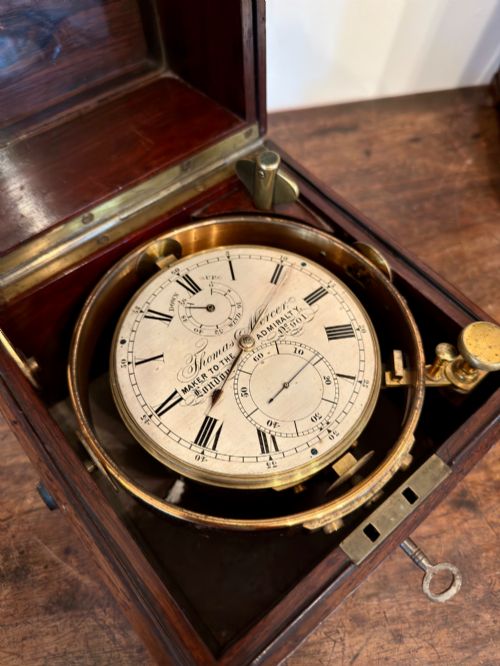
Quality rests in the precision of the mechanics and the integrity of the materials, separating utility-grade shipboard gear from presentation pieces commissioned by officers or shipping lines. A marine chronometer with signed brass movements by a known maker stands apart from a standard compass.
In dioramas, the artistry of the scratch-built ship model and the depth of the painted backdrop dictate the level of sophistication, distinguishing simple folk art from master-level maritime representation.
Mercer of London·Thomas Mercer·Litherland Davies Of Liverpool·Henri de Magnac·John Lilley Son London
The Antique Nautical Box Glossary
- Marine chronometer
- A highly accurate timekeeper used aboard ship to determine longitude by celestial navigation.
- Diorama
- A three-dimensional scene depicting sailing ships at sea, typically encased in wood and glass.
- Camphor-wood
- An aromatic timber prized for sea chests because its natural oils repel insects and resist moisture.
- Artificial horizon
- A navigational device used with a sextant to measure altitudes when the natural sea horizon is obscured.
- Maritime folk art
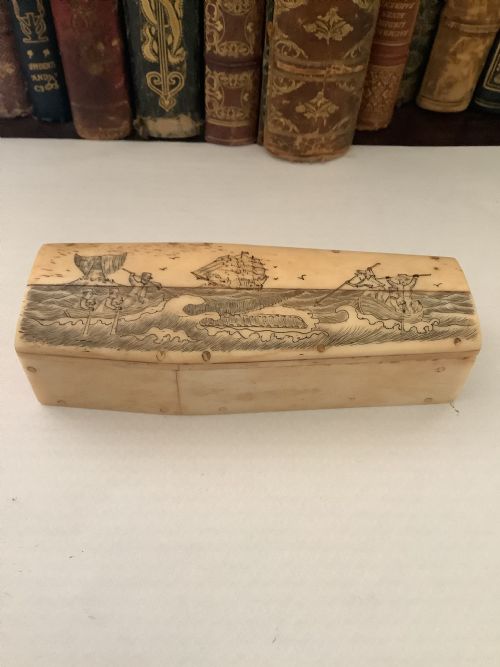
- Self-taught creative work by sailors or coastal residents using available materials like bone, shell and straw.
Antique Nautical Box: Frequently Asked Questions
What is an antique nautical box?
These pieces comprise cased scientific instruments, sea chests, and ship dioramas built for maritime life during the Georgian and Victorian eras.
They reflect the practical and artistic needs of sailors and navigators across the nineteenth and early twentieth centuries.
How were sea chests used?
Sailors and officers utilised camphor-wood and mahogany trunks to store clothing and personal items within the cramped quarters of a ship.
The sturdy timber and brass binding protected belongings from the harsh, damp sea environment.
What do ship dioramas show?
Dioramas capture sailing vessels, clippers and racing ships at sea using hand-carved wooden models set against painted canvases.
Some incorporate folk art elements like straw work, shells and carved bone to recreate detailed historical seascapes.
How do I identify the period?
Dating relies on materials, construction methods and mechanical signatures found on instruments from the Georgian, Victorian and Edwardian epochs.
Signed brass dials and specific timber choices often point directly to nineteenth-century workshops.