

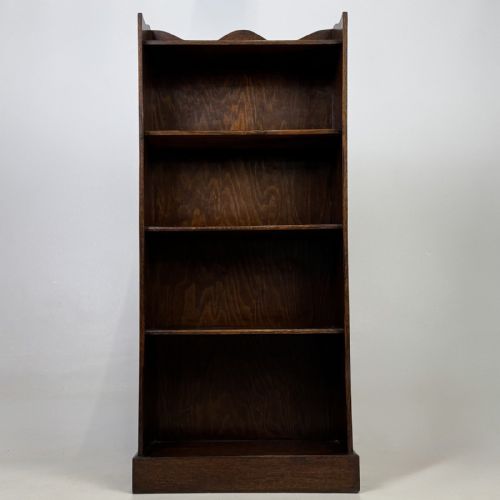
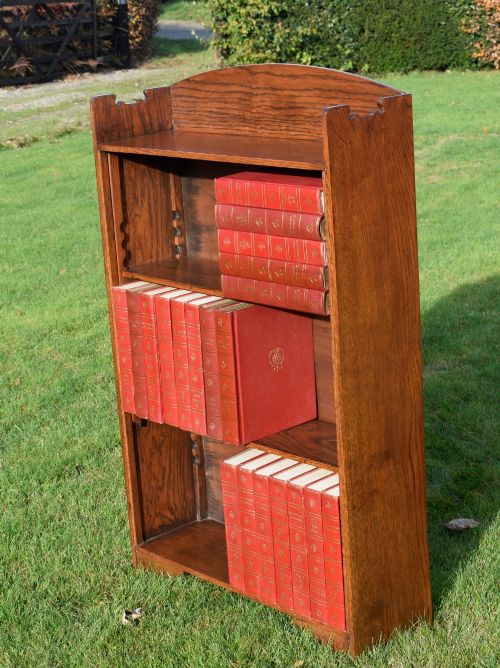
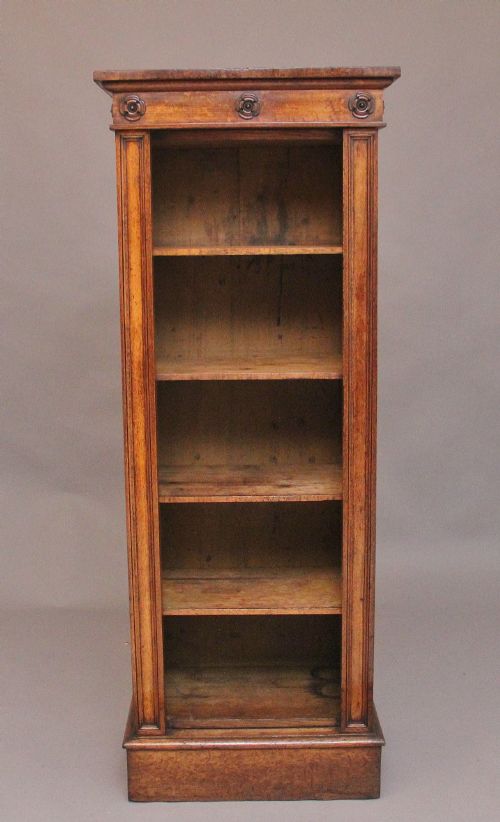
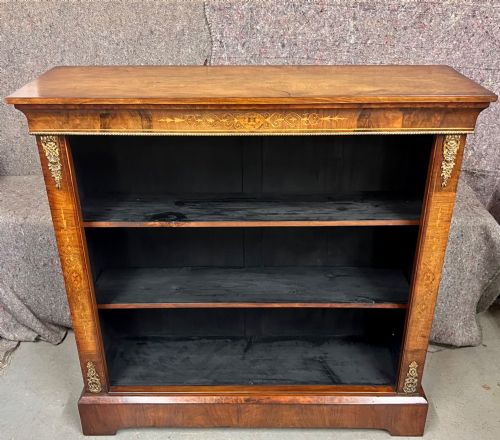
Antique Narrow Shelving
Antique narrow shelving offers compact upright storage for modest spaces, bringing timber character to rooms without floor space to spare.
Antique Narrow Shelving
Antique narrow shelving comprises slender bookcases, étagères, whatnots, and corner cabinets designed to fit tight footprints. These pieces emerge predominantly from Victorian, Edwardian, and early twentieth-century workshops.
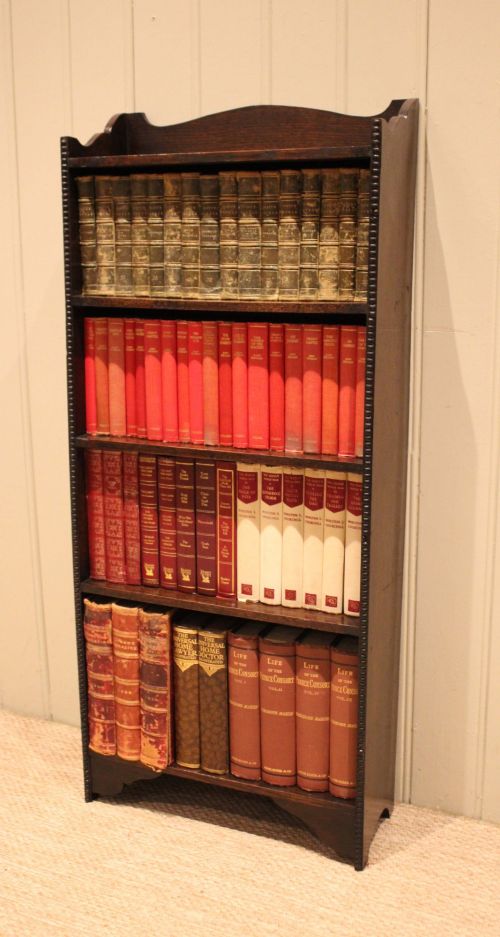
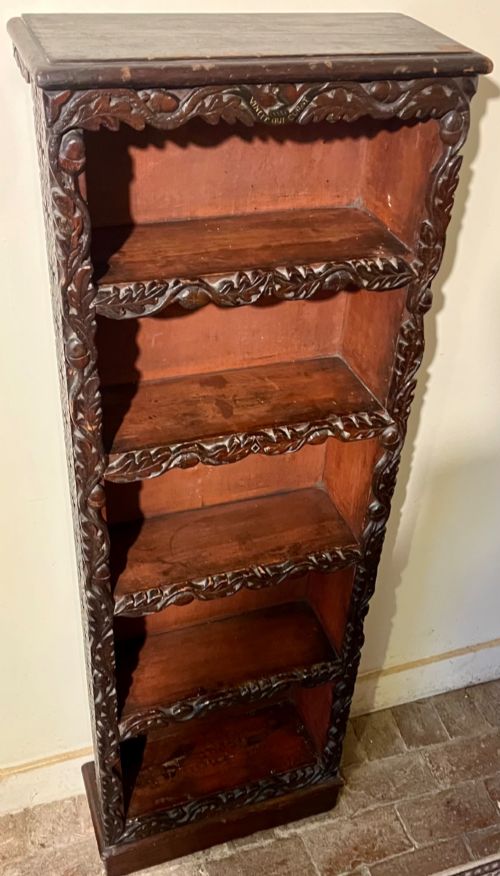
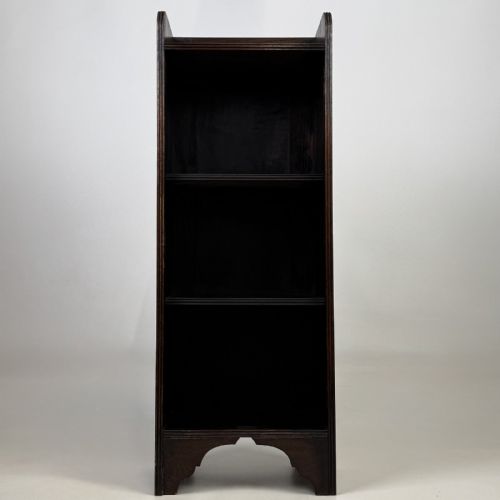
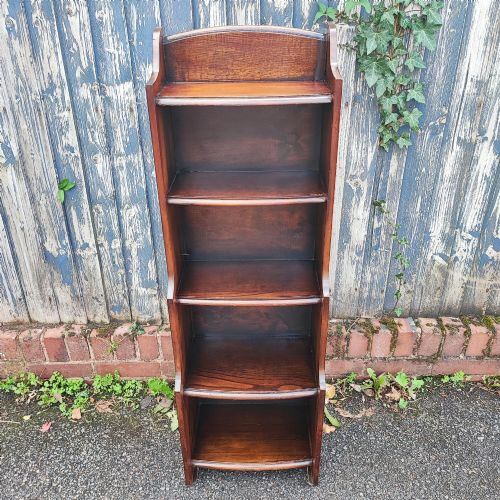
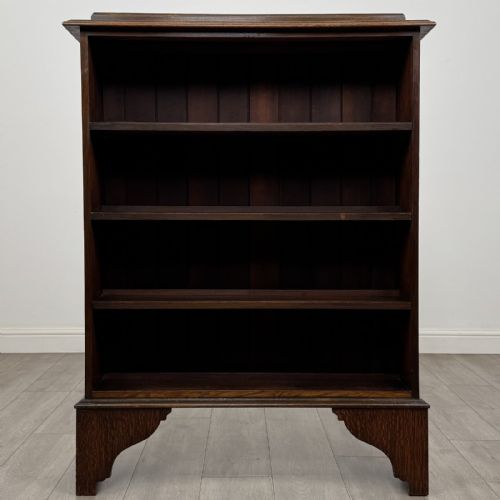
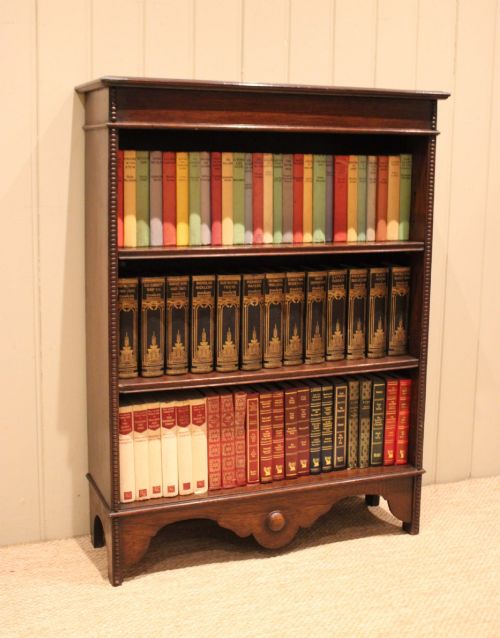
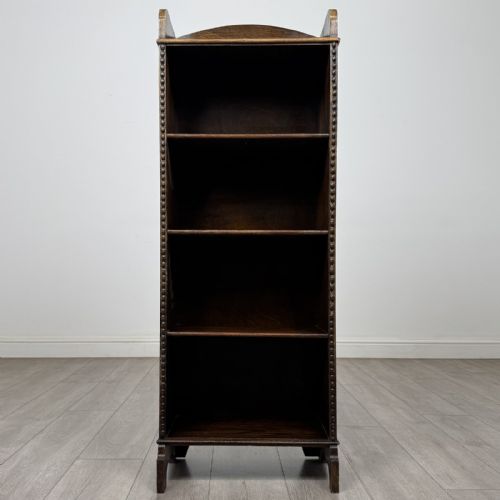
Makers construct these items primarily as open bookcases or tiered display shelves utilising oak and mahogany timbers. Many pieces incorporate subtle architectural details such as raised galleries, bracket feet, and carved edges.
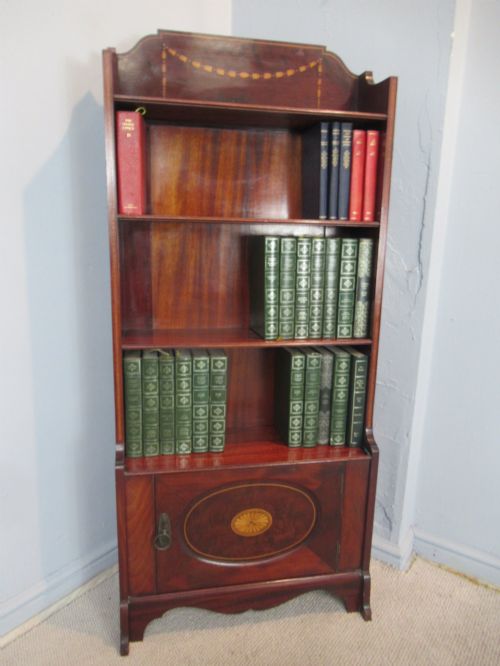
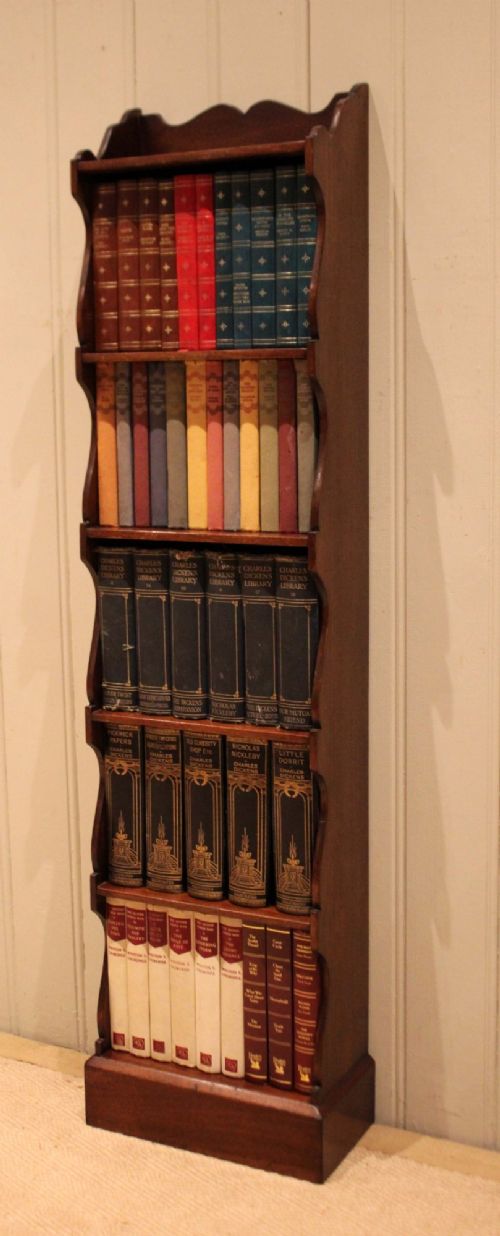
Buyers encounter forms ranging from simple rustic oak boards to finely inlaid satinwood and rosewood waterfall designs. Edwardian examples frequently feature slender pillars and single lower drawers for supplementary storage.
What separates the tiers of quality
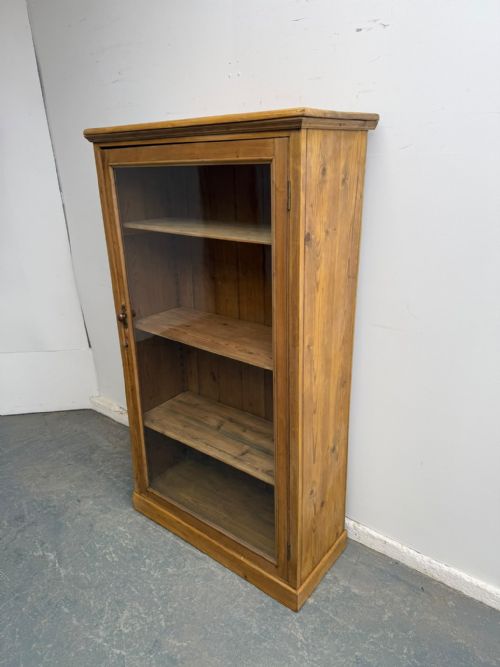
Quality rests upon timber selection and cabinetmaking precision rather than sheer scale. Superior examples display carefully matched grain, crisp hand-carved details, and integrated structural elements like bracket feet or raised galleries.
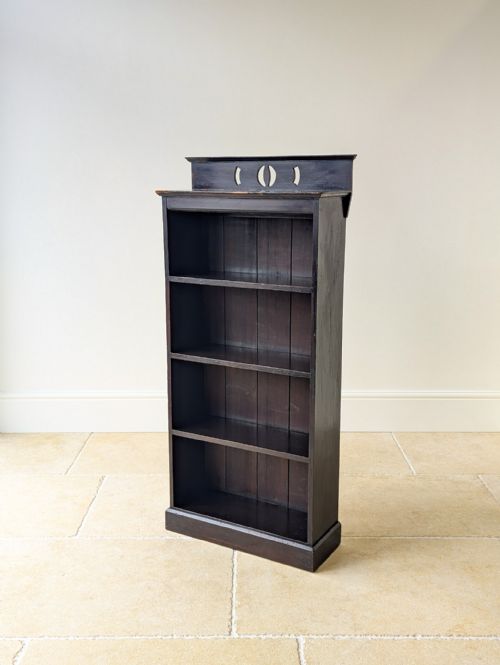
Modest utility pieces rely on simpler construction, plain oak planks, and straightforward rectilinear forms. Workshops known for specific artistic movements integrate distinctive decorative cut-outs and thoughtful proportions that elevate the finished furniture.
Antique Narrow Shelving Retail Price Guide 2026
Typical asking prices for narrow shelving among the pieces listed under this phrase on Sellingantiques today, from the lower quarter to the upper quarter. They describe what is for sale here now, not the wider market.
Listings feature oak and mahogany predominantly, alongside decorative examples in satinwood, rosewood, and paint.
Gillows·Ercol·Waring and Gillows·Wylie Lochhead·E.A. Taylor
The Antique Narrow Shelving Glossary
- Étagère
- A piece of furniture consisting of a set of open shelves for displaying small objects. These tiered structures provide vertical storage within compact floor plans.
- Whatnot
- An open multi-shelved piece of furniture used for books or ornaments. Victorian and Edwardian examples often feature slender upright supports.
- Waterfall bookcase
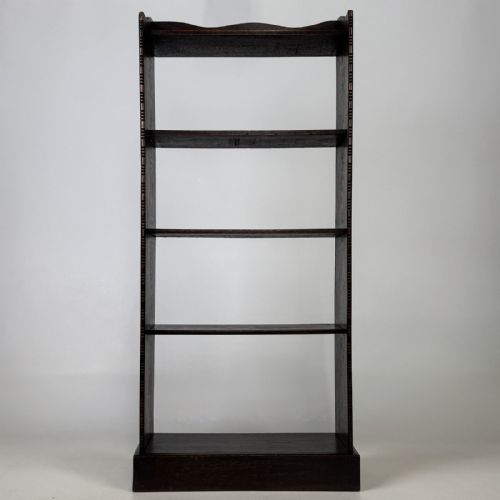
- A set of open shelves where each tier steps back progressively from bottom to top. This form frequently appears in satinwood and rosewood.
- Raised gallery
- A low decorative railing around the top edge of a bookcase or cabinet. It prevents displayed items from sliding off the surface.
- Bracket foot
- A simple foot shape resembling a bracket, often seen on cabinet corners. This support lifts the base slightly off the floor.
Antique Narrow Shelving: Frequently Asked Questions
Where do I put narrow shelving?
These compact pieces fit easily into alcoves, narrow hallways, and beside fireplaces where standard bookcases prove too bulky.
Their shallow depth ensures they hold books and ornaments without encroaching on room thoroughfares.
How do I spot an Edwardian bookcase?
Edwardian items frequently display lighter mahogany timbers combined with delicate satinwood inlay or slender pillars.
Makers of this era often incorporated practical additions like single lower drawers or raised galleries.
Are these shelves strong enough for heavy books?
Solid oak and mahogany construction provides sturdy support for everyday reading collections.
Adjustable shelving systems found in later pieces allow you to alter vertical spaces to suit larger volumes.
What is the difference between an étagère and a whatnot?
An étagère focuses primarily on display with multiple open tiers for ornaments and small decorative objects.
A whatnot serves a similar multi-tiered purpose but frequently accommodates books alongside ornamental pieces.