




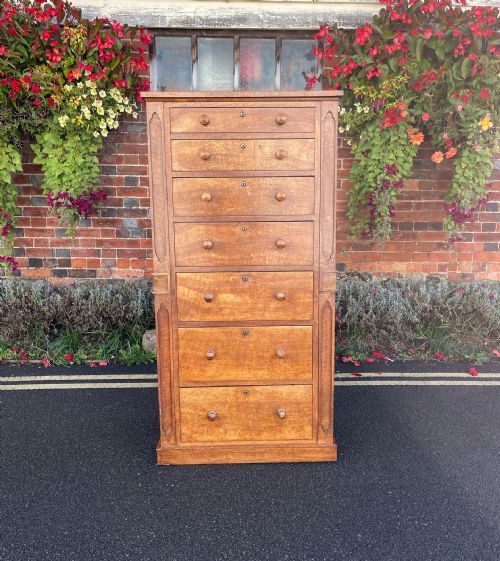

Antique Narrow Dresser
An antique narrow dresser brings upright storage and period character to compact rooms without overwhelming the floor space.
Antique Narrow Dresser
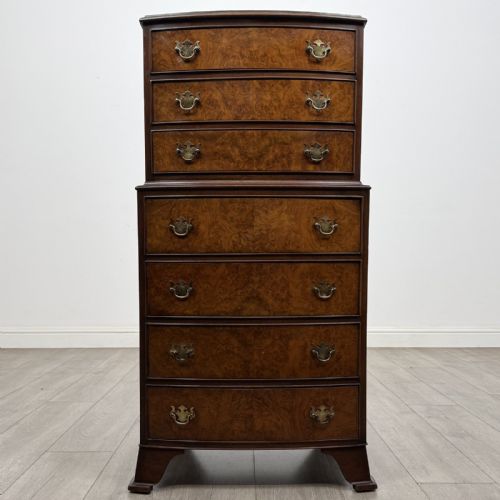
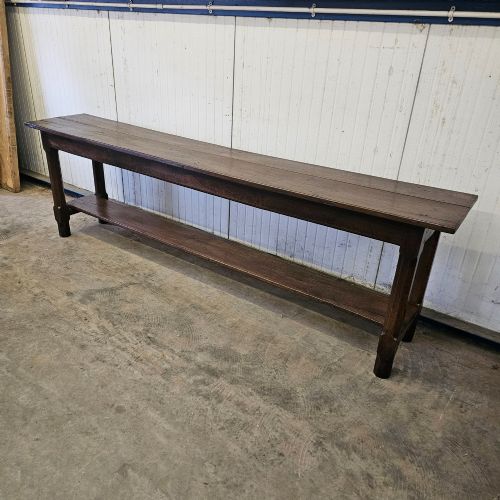
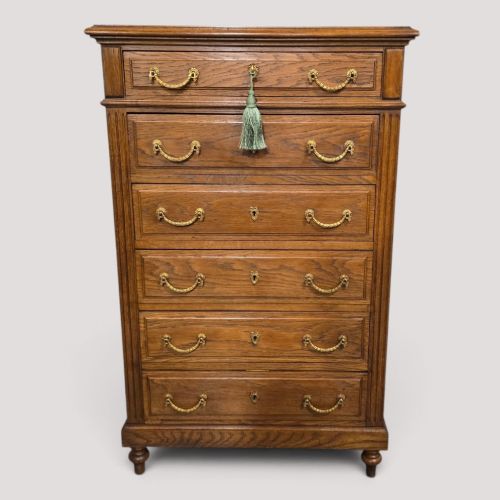
When searching for an antique narrow dresser, buyers encounter upright forms including tall chests of drawers, wellington chests, and narrow dresser bases spanning the Georgian, Victorian, and Edwardian eras. These pieces serve utilitarian storage needs in spaces where traditional wide furniture simply will not fit.
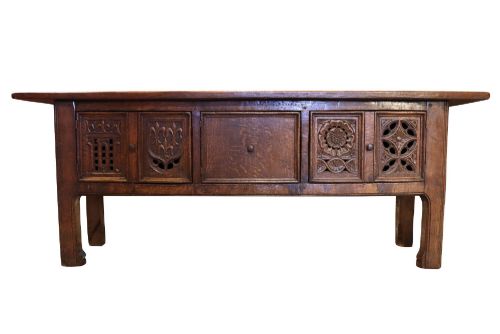
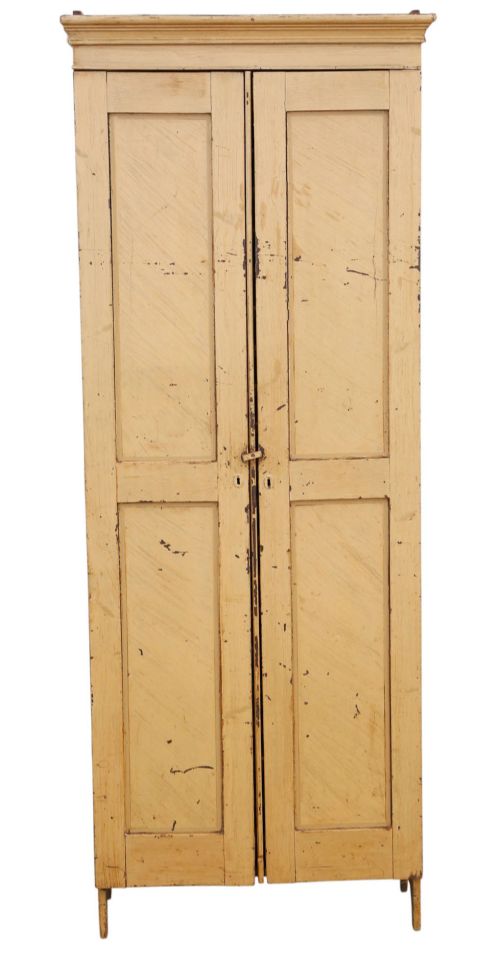
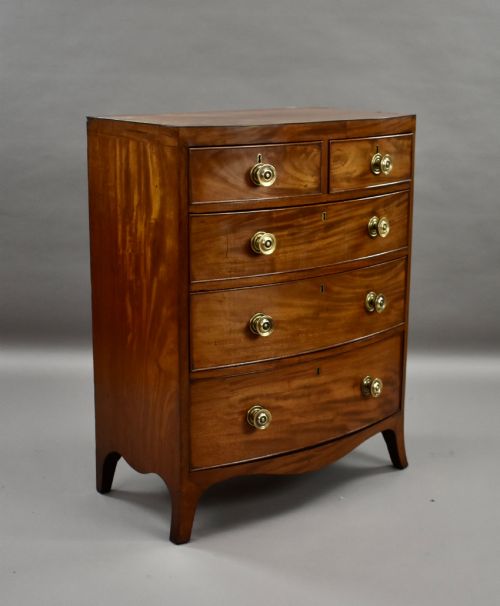
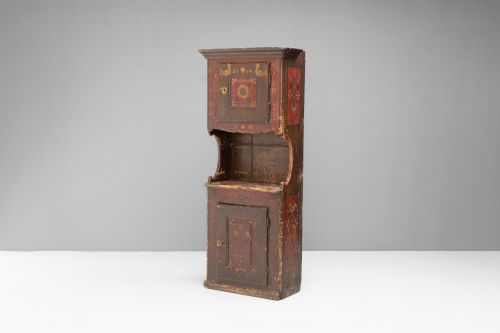
The selection ranges from George III hall chests and Regency mahogany bowfronts to French provincial potboard servers and Arts and Crafts oak cottage dressers. Solid oak, mahogany, and pine dominate the offerings, often complemented by painted finishes and marble tops.
Materials and construction methods
Cabinet makers utilised dense hardwoods such as mahogany, rosewood, and oak alongside pine and yew wood to build sturdy frames capable of supporting multiple narrow drawers. Detailed joinery methods include dovetail construction on drawer boxes and panelled doors on cupboards.
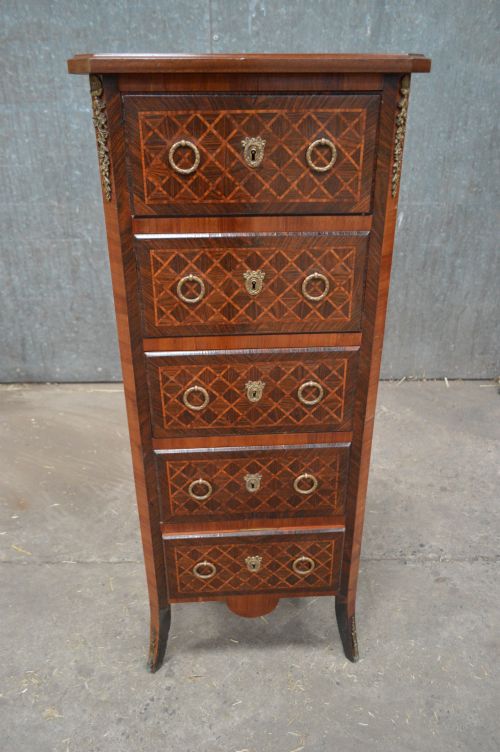
Surface treatments vary from polished wood finishes and waxed pine to decorative parquetry, marquetry, and brass inlays. Certain pieces feature carved gothic details or painted cream surfaces applied over the base timber.
Antique Narrow Dresser Retail Price Guide 2026
Typical asking prices for narrow dresser among the pieces listed under this phrase on Sellingantiques today, from the lower quarter to the upper quarter. They describe what is for sale here now, not the wider market.
Several pieces include hidden locking mechanisms designed to keep family secrets safely tucked inside narrow drawers.
Judging quality in compact storage
The standard of timber selection and figuring marks the primary distinction between standard utility items and superior examples. Highly figured veneers, choice pollard oak, and solid cabinet woods indicate a higher tier of craftsmanship.
Proportion and execution of detail define the finer pieces, seen in precise brass inlay, well-fitted drawers, and intact period hardware. The integration of functional elements like marble tops or potboard shelves further separates workshop output.
Reprodux·Gillows of Lancaster
The Antique Narrow Dresser Glossary
- Wellington chest
- A tall, narrow chest of drawers typically secured by a hinged locking side pilaster. This form maximises vertical storage while occupying minimal floor space.
- Bowfront
- A curved cabinet front that swells outward in the centre. This design softens the profile of a narrow chest.
- Parquetry
- Geometric wood inlay work arranged in patterns across a surface. Artisans use contrasting timber tones to create visual depth.
- Potboard
- An open lower shelf on a dresser or server traditionally used for storing pots and heavy kitchen utensils. It provides structural stability to the base.
Antique Narrow Dresser: Frequently Asked Questions
Where should I place a narrow dresser?
These compact pieces suit hallways, alcoves, and bedrooms where standard furniture proves too bulky for the available footprint.
Their restricted width allows them to provide substantial drawer or cupboard capacity without blocking walkways or dominating smaller rooms.
How do I care for waxed pine surfaces?
Maintain waxed pine surfaces by dusting regularly with a soft, dry cloth and applying a traditional beeswax furniture polish periodically.
Avoid placing these items in direct sunlight or near heat sources to prevent the timber from drying out and splitting.
What is a wellington chest?
A wellington chest is a tall, narrow set of drawers featuring a locking side pilaster bar that secures all drawers simultaneously when shut.
Originating in the nineteenth century, this design allowed owners to keep valuable papers and garments secure within a compact vertical footprint.
How do I distinguish Georgian from Victorian pieces?
Georgian furniture generally displays restrained classical proportions, premium mahogany or oak timbers, and subtle decorative mouldings.
Victorian pieces often exhibit heavier construction, alternative woods like pine or walnut, and more exuberant revival styles such as Gothic or Arts and Crafts.