





Antique Narrow Bench
An antique narrow bench brings linear character to a tight hallway or fireside without swallowing the floor space.
Antique Narrow Bench
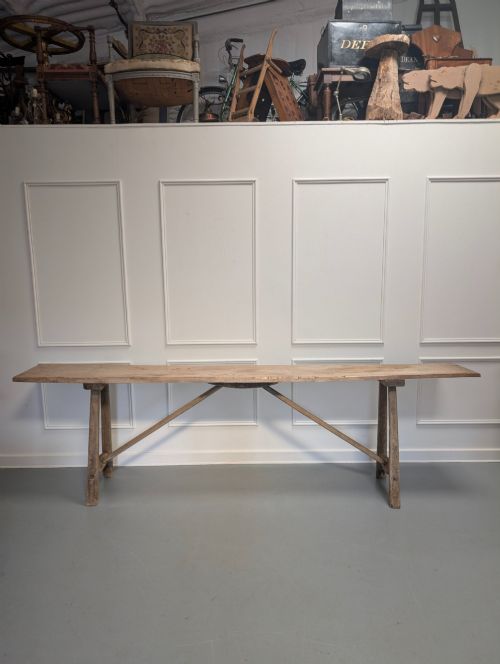
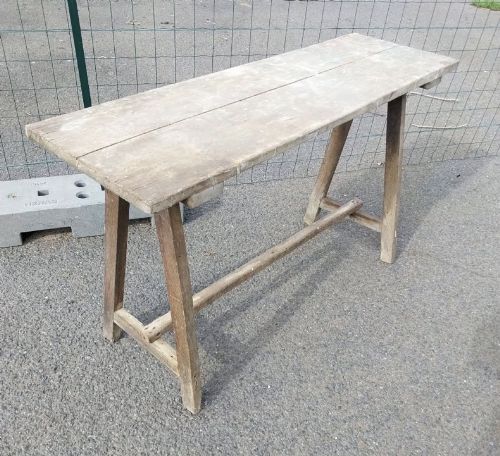
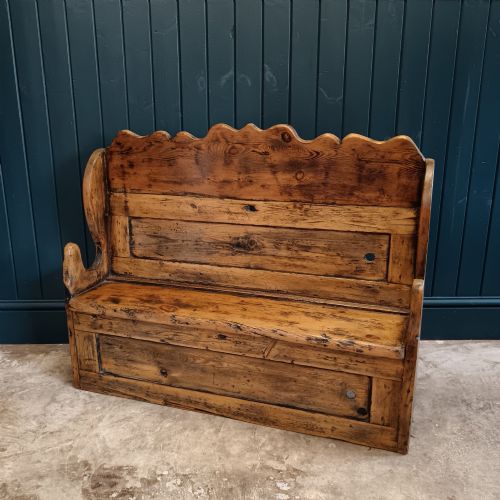
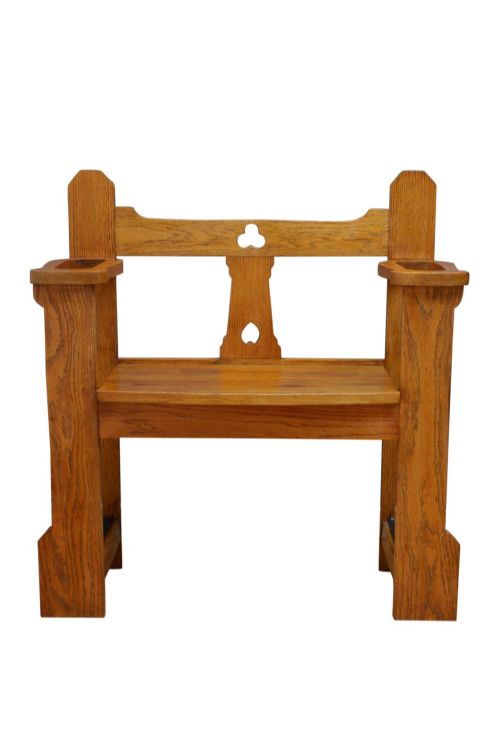
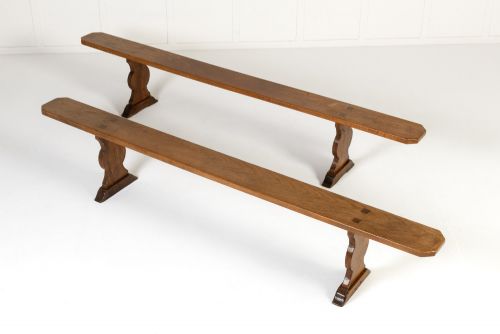
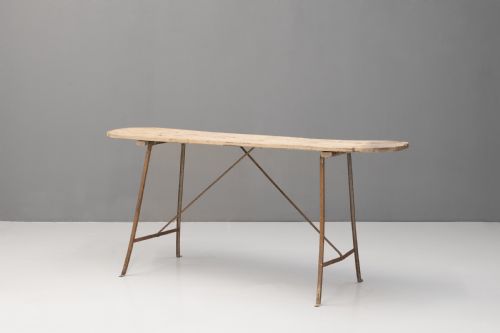
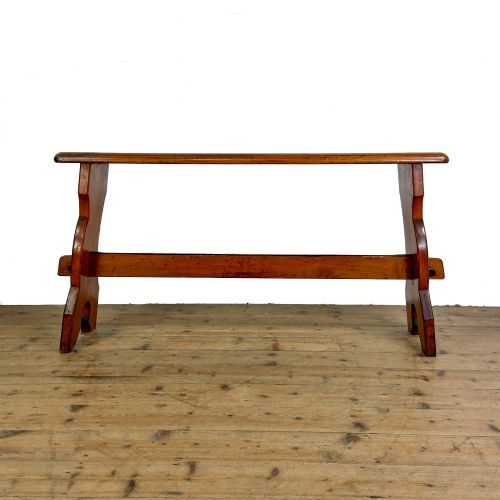
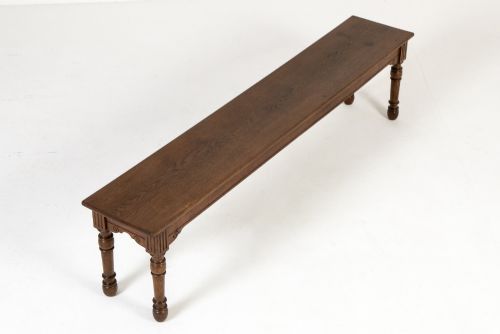
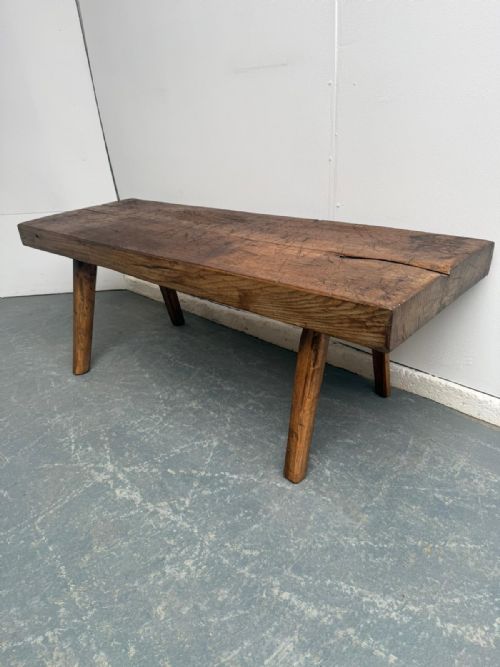
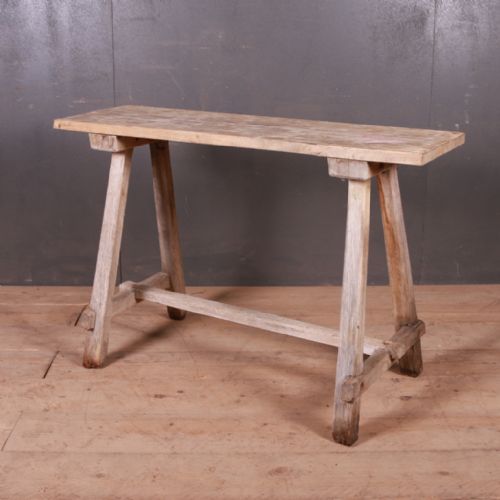
When you search for an antique narrow bench, you are looking at slender seating forms designed to fit confined domestic spaces like corridors, passages and window recesses. The pieces on this page span the nineteenth century up to nineteen-ten, taking shapes such as hall seats, organ benches, and pig benches alongside related console and trestle tables.
The regional variety runs from English arts and crafts oak hall seats and French country examples to Hungarian hardwood pig benches and Chinese carved hardwood pieces. Most encounters on this page will introduce you to provincial elm, pine, and oak constructions tailored for utility.
These items served practical domestic functions, from seating people while they pulled on boots in a hallway to acting as low side tables or window seats. Their slender proportions distinguish them from standard seating, making them particularly useful in modern homes where floor depth is at a premium.
How they were made
Makers built these benches using solid timbers available locally, relying principally on oak, pine, elm, and diverse hardwoods. Workshops frequently combined woods within a single piece, pairing elm seats with pine frames or utilising scrubbed sycamore.
Construction techniques prioritized daily endurance over delicate ornamentation, employing straightforward joinery suitable for heavy provincial use. Metal components appear where wrought iron braces or structural supports were necessary to stabilize the elongated forms.
Antique Narrow Bench Retail Price Guide 2026
Typical asking prices for narrow bench among the pieces listed under this phrase on Sellingantiques today, from the lower quarter to the upper quarter. They describe what is for sale here now, not the wider market.
Materials recorded across the inventory include oak, pine, elm, hardwood, wrought iron, lacquer, and bleached oak.
What varies in quality
The standard of an antique narrow bench depends on the integrity of its original proportions and the honesty of its surface timber. Pieces that retain their unblemished length without awkward alterations or clumsy timber replacements stand higher in the range.
Surface treatment dictates much of the character, distinguishing between pieces with deep natural patination and those subjected to heavy modern intervention. Grain definition in elm or oak seats and the crispness of carved detail on hardwood versions separate ordinary utility items from finer examples.
The Antique Narrow Bench Glossary
- Pig bench
- A low, narrow wooden bench originating from agricultural use in regions like Hungary, now adapted as a seat or coffee table. These pieces typically feature thick timber tops and sturdy simple legs.
- Hall seat
- A narrow bench designed specifically for placement in an entryway or passage, often incorporating a backrest or panelled ends. They provided a place to sit while removing outer garments.
- Trestle
- A structural support consisting of a horizontal beam fixed to two splayed legs, frequently utilised to hold up narrow bench or table tops. This method allowed maximum legroom beneath the surface.
- Sycamore
- A dense hardwood belonging to the maple family, valued for pale colour and smooth grain. It appears in scrubbed French provincial surfaces.
- Patina
- The surface sheen and colour developed by timber through decades of handling, polishing, and exposure to light. A good patina indicates genuine age and minimal harsh stripping.
Antique Narrow Bench: Frequently Asked Questions
Where should I put a narrow bench?
These benches suit tight circulation spaces such as narrow hallways, corridors, and passages where standard furniture blocks movement.
They also function well positioned beneath a window or placed at the foot of a bed.
Can I use an organ bench as a seat?
Originally built to seat a musician at a keyboard instrument, an antique organ bench makes a sturdy low seat for a hallway or living room.
Their narrow depth allows them to tuck easily against a wall without protruding into walking space.
How do I identify nineteenth century pine?
Nineteenth-century pine typically displays tight growth rings, soft yellowish tones, and deep surface wear accumulated over generations of domestic use.
Older boards often show hand-planed irregularities rather than the uniform flatness of modern machine-sawn timber.
What is a scrubbed finish?
A scrubbed finish results from intensive cleaning and scouring of wooden tabletops and benches using water and stiff brushes, removing old grease and dark finishes.
This process leaves the timber with a pale, matte texture that highlights the natural grain.