






Antique Napoleon Sculpture
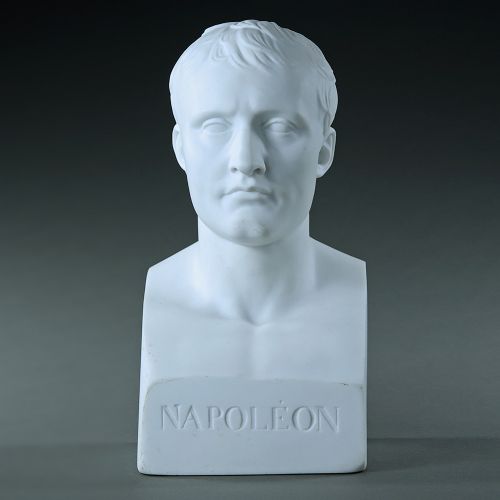
These antique napoleon sculpture pieces capture the enduring fascination with Bonaparte, rendered in bronze, marble and parian porcelain.
Antique Napoleon Sculpture
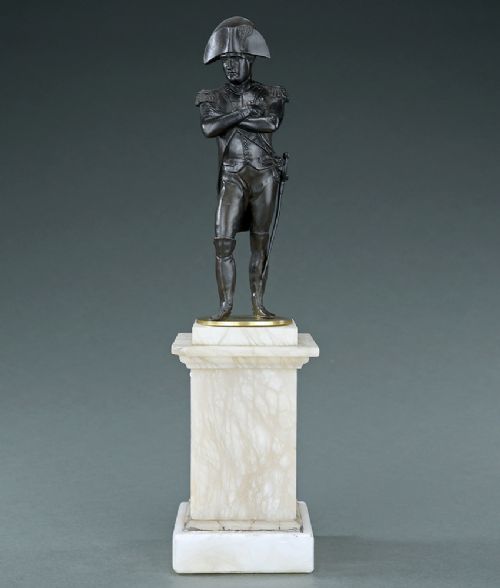
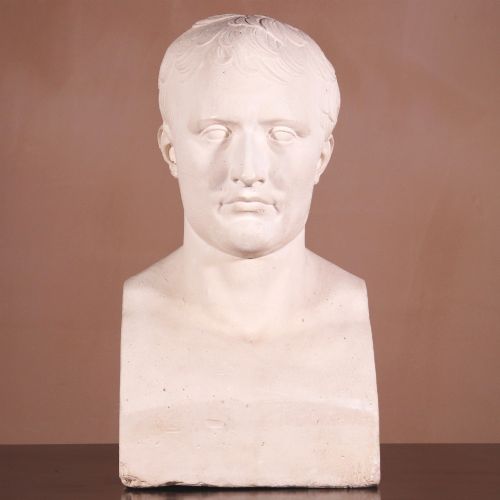
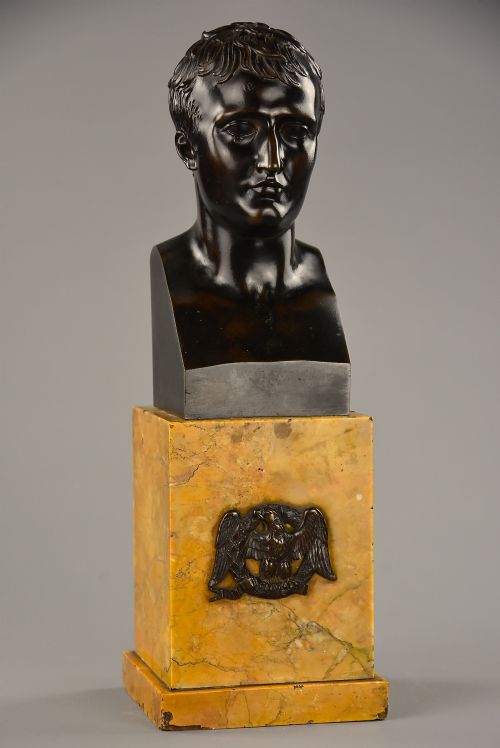
An antique napoleon sculpture depicts the French leader in various forms, most frequently as a bronze bust or mounted figure upon a marble base. These works span the nineteenth century, including pieces from the Victorian era and the Second Empire.
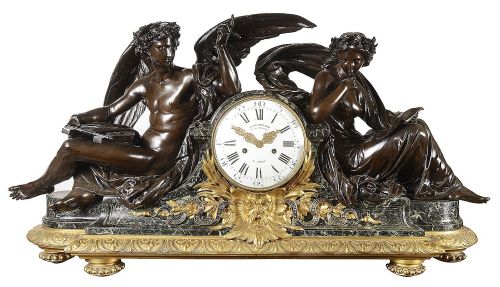
Buyers encounter subjects ranging from standalone cabinet bronzes to elaborate mantel clocks and inkstands incorporating the emperor's likeness. Many of these figures derive from classical models by sculptors such as Chaudet or Guillemin.
The objects frequently reflect French Empire, Neoclassical, and Napoleon III styles, utilising pedestals and plinths to elevate the sculpture. Scale varies from small library bronzes to large architectural busts.
Materials and construction
Foundry cast bronze forms the core of many pieces, often paired with green or white marble bases to provide weight and contrast. Gilding and ormolu mounts add decorative detail to clocks and sculptural bases.
Antique Napoleon Sculpture Retail Price Guide 2026
Typical asking prices for napoleon sculpture among the pieces listed under this phrase on Sellingantiques today, from the lower quarter to the upper quarter. They describe what is for sale here now, not the wider market.
Listings feature materials including bronze, marble, ormolu, parian porcelain, and glass across the nineteenth century.
Assessing quality in Napoleon bronzes
The crispness of the chasing on the bronze surface distinguishes a superior casting from a softer, less detailed production. Detail in the uniform, facial expression, and decorative mounts indicates the skill of the foundry.
The integration of materials, such as the fit between the bronze figure and its marble or ormolu base, dictates the overall refinement of the piece. Signed works associated with known Paris makers or specific foundries carry distinct markers of workshop origin.
Victor Paillard, Paris·Deniere and Cailleaux
The Antique Napoleon Sculpture Glossary
- Ormolu
- Gilt bronze mounted on decorative objects and furniture, popular in French nineteenth-century design. This technique involves applying a gold-mercury amalgam to a bronze base.
- Parian porcelain
- A fine-grained ceramic material resembling white marble, developed in the nineteenth century for portrait busts and figurines. It captures fine facial details effectively.
- Neoclassical
- A style drawing inspiration from the classical art and culture of ancient Greece and Rome. This aesthetic heavily influenced French Empire design.
- Plinth
- A heavy base supporting a statue, vase, or bust, often executed in marble or carved wood. It elevates the primary sculptural object.
Antique Napoleon Sculpture: Frequently Asked Questions
How do I date a bronze Napoleon bust?
Dating relies on stylistic clues, foundry marks, and the materials used for the base. Nineteenth-century pieces often combine cast bronze with specific marble types.
Examination of the patina and the casting technique provides further indication of the period of manufacture.
Where were these sculptures made?
The majority of these pieces originate from French foundries and workshops active during the nineteenth century. Paris served as a primary centre for bronze casting and luxury goods.
Maker signatures or foundry stamps on the bronze surface frequently confirm this origin.
What is the difference between bronze and ormolu?
Bronze is an alloy of copper and tin used for the primary casting of the figure. Ormolu refers specifically to gilded bronze used for decorative mounts and accents.
Many clock cases and pedestals combine both materials to create visual contrast.
How should I display a marble and bronze sculpture?
These pieces require a stable, level surface capable of supporting considerable weight due to the density of marble and bronze. Placement away from direct heat sources protects the metal patina and stone.
A dedicated pedestal or sturdy mantelpiece suits larger sculptural clocks and busts.