



Antique Mustard Container
These antique mustard container pieces in silver and toleware hold the dining table condiments with period heft and charm.
Antique Mustard Container
An antique mustard container serves table condiments with small silver pots, toleware bins, and walnut holders designed for daily dining. These vessels appear in Georgian, Victorian, and Edwardian periods as part of broader condiment sets and kitchen storage.
Makers and silversmiths shaped these containers to sit alongside salt cellars and pepper pots on formal and domestic dining tables. Their forms range from plain George III designs to pagoda shapes and pierced silver cylinders.
How they were made
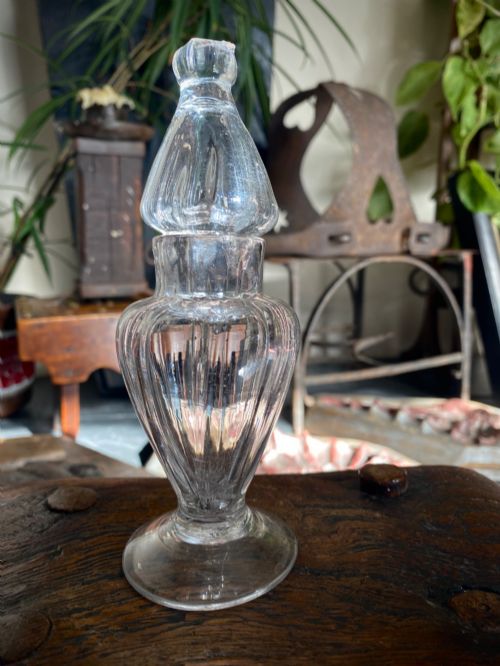
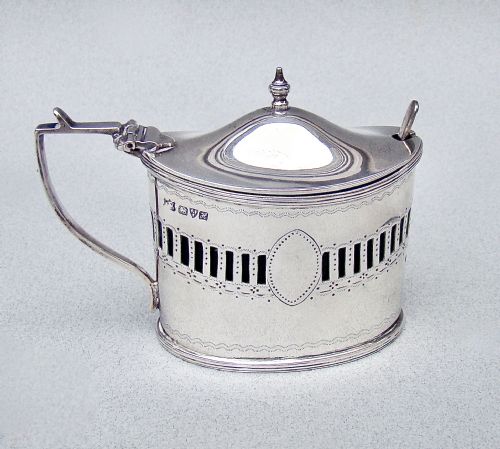
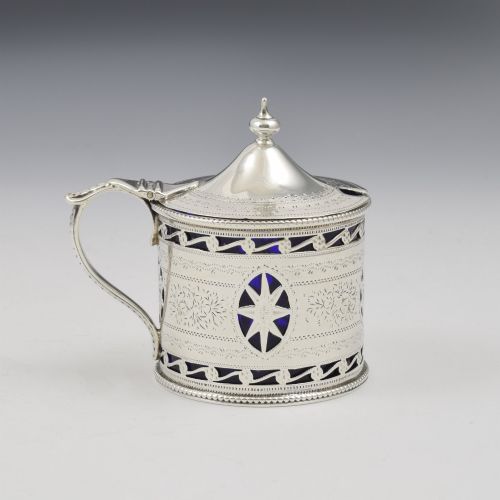
Silversmiths constructed these mustard pots using sterling silver and silver plate, often hammering, piercing, or casting the metal into drum and octagonal forms. Glass liners in cobalt or clear glass frequently fitted inside the pierced silver walls to hold the condiment safely.
Toleware and sheet metal examples utilised painted iron surfaces to create durable kitchen storage and flour bins for domestic spaces. Woodwork appears in walnut sauce holders fitted with wirework stands for carrying multiple vessels.
Antique Mustard Container Retail Price Guide 2026
Typical asking prices for mustard container among the pieces listed under this phrase on Sellingantiques today, from the lower quarter to the upper quarter. They describe what is for sale here now, not the wider market.
Materials across these listings span sterling silver, cobalt glass, toleware, sheet metal, paint, silver plate, brass, and walnut.
What varies in quality
The distinction between ordinary and superior mustard containers rests on the weight of the metal, the crispness of pierced gallery work, and the presence of makers' marks. Pieces produced by recognised silversmiths exhibit heavier gauges of sterling silver and cleaner hinge mechanisms for the lids.
Design ambition separates standard cylindrical pots from unusual pagoda forms or fitted walnut stands with wirework. The retention of original cobalt glass liners and matching spoons elevates the completeness of the piece.
Alfred Marston·Nathan & Hayes·Matthew Boulton·Elkington And Company
The Antique Mustard Container Glossary
- Sterling silver
- A silver alloy containing 92.5 percent pure silver by mass, standard for quality British tableware and mustard pots.
- Toleware
- Japanned or painted sheet metal items produced for domestic storage and utility.
- Pierced work
- Metal pierced with decorative openwork patterns, commonly seen on Victorian drum mustard pots to reveal the glass liner within.
- Cobalt glass
- Deep blue glass utilised for the removable liners inside silver condiment pots.
- Hallmark
- Official marks stamped on precious metals indicating the assay office, metal standard, and date letter.
Antique Mustard Container: Frequently Asked Questions
What is an antique mustard container?
An antique mustard container is a small vessel designed to hold prepared mustard on the dining table, typically made from sterling silver, toleware, or glass.
These pots date from the Georgian, Victorian, and Edwardian eras and frequently include hinged lids and removable glass liners.
How were these pots used?
They sat on the dining table or sideboard alongside other condiment holders to dispense mustard during meals.
A small spoon accompanied the pot so diners could serve themselves at the table.
How do I date a silver mustard pot?
Silver mustard pots are dated using the hallmarks stamped into the metal, which indicate the assay office and the year of manufacture.
Stylistic details like Georgian plainness or Victorian pierced work also point to specific decades.
Do these pots still need glass liners?
Original mustard pots often featured removable cobalt or clear glass liners to protect the silver from corrosion caused by mustard.
Many surviving pieces retain these glass inserts, which add to their completeness.