




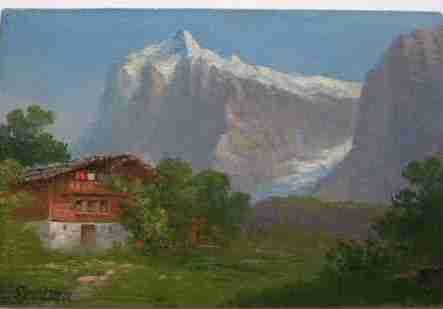
Antique Mountain Scenery Artwork
These antique mountain scenery artwork pieces capture dramatic peaks and quiet valleys, bringing the majesty of the outdoors directly into your interior.
Antique Mountain Scenery Artwork
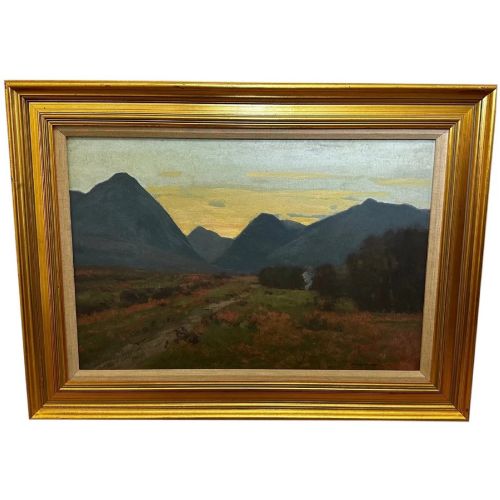
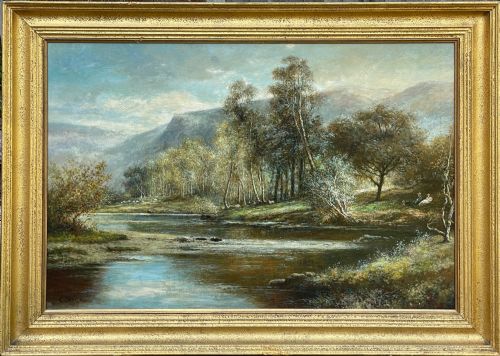
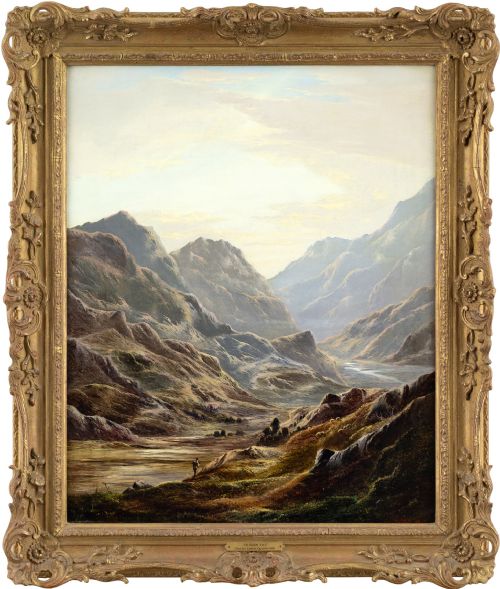
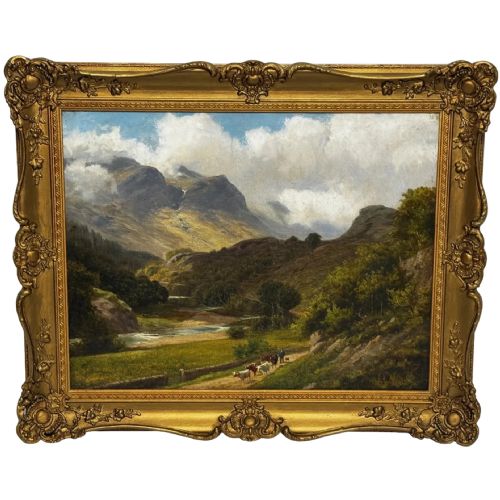
When you search for antique mountain scenery artwork, you encounter framed fine art paintings that record rugged terrain, highland vistas, and alpine lakes. These works capture the topography of Britain and Europe through the eyes of nineteenth and early twentieth century artists.
You meet a variety of regional views here, spanning Scottish highlands, Welsh valleys, and Swiss peaks. The selection ranges from intimate watercolours on paper to large oil paintings on canvas.
Victorian romanticism and realism dominate the aesthetic, presenting nature with atmospheric depth and careful observation. Painters of this era focused on specific locations such as Glen Tilt, Lake Windermere, and the Bavarian Alps.
Materials and construction methods
The works rely upon oil on canvas or watercolour on paper as their primary media. Canvas provides a durable surface for rich oil pigments, allowing artists to build thick brushwork and luminous skies.
Frames play a crucial role in the presentation of these pieces, frequently utilising giltwood or gesso wood. These ornate moulded frames complement the dramatic scenery contained within the artwork.
Painters applied traditional techniques of layering and glazing to achieve natural light effects on mountain streams and rocky crags. Watercolour pieces utilise transparent washes on paper to capture the crisp atmosphere of high altitudes.
Artists occasionally painted cows into Welsh valleys just to remind everyone where the path went.
Quality variations in mountain scenery artwork
The skill of the brushwork and the handling of natural light distinguish superior works from simpler decorative pieces. Master painters manage atmospheric perspective with subtle tonal shifts that convey the true scale of distant peaks.
The condition of the canvas and the preservation of the original pigments affect the overall integrity of the piece. Works that retain their original giltwood frames without heavy restoration hold greater historical completeness.
George Houston RSA RSW·Charles Leslie·John Grenville Fennell·Sidney Richard Percy·Alfred de Breanski
The Antique Mountain Scenery Artwork Glossary
- Oil on Canvas
- Pigment mixed with drying oil applied to a woven fabric support. This combination offers rich colour depth and lasting durability.
- Giltwood
- Wood carved and covered with a thin layer of gold leaf or gold paint. It provides a traditional ornate border for fine art paintings.
- Gesso
- A paint mixture consisting of a neutral binder mixed with chalk, gypsum, or pigment. It prepares wooden frames and panels for gilding.
- Watercolour Painting
- Art created using water-soluble pigments on paper. This medium creates translucent washes that suit delicate atmospheric effects.
Antique Mountain Scenery Artwork: Frequently Asked Questions
How do I care for an oil painting?
Keep the canvas away from direct sunlight and fluctuating temperatures to prevent the paint from cracking over time. Dust the surface gently with a soft dry brush.
Avoid using water or chemical cleaners on the paint or the giltwood frame. Professional conservators should handle any deep cleaning or canvas tightening.
What periods do these artworks cover?
The pieces span the Victorian era through the early twentieth century, reflecting shifting tastes in landscape representation. Most examples date from the nineteenth century up to the 1950s.
Artists during this timeframe moved from romantic interpretations towards more realistic depictions of specific geographical locations.
How do I identify the location of a landscape?
Many artists inscribed the specific title, river name, or mountain peak directly onto the canvas reverse or the original frame. Titles often reference recognizable sites such as Lake Windermere or Moel Siabod.
Examine the style of signature and any accompanying labels on the stretcher bars for clues regarding the region and the artist.
Where should I hang a landscape painting?
Select a wall with stable ambient humidity and moderate lighting to protect the materials from environmental damage. Large giltwood frames require secure wall anchors to support their substantial weight safely.
Position the centre of the artwork at eye level to allow comfortable viewing of the fine details within the scenery.