



Antique Moghan Rug
These pieces known as an antique moghan rug bring the bold geometric patterns of the Caucasus into a room with rich, enduring warmth.
Antique Moghan Rug
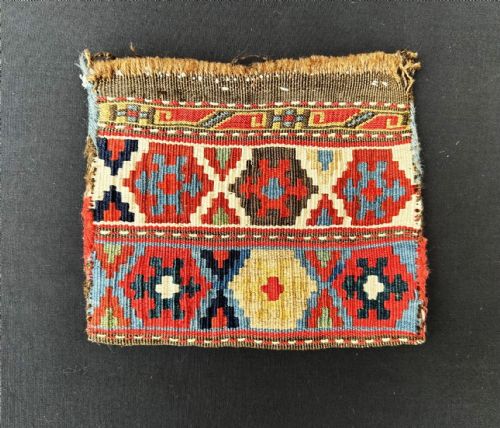
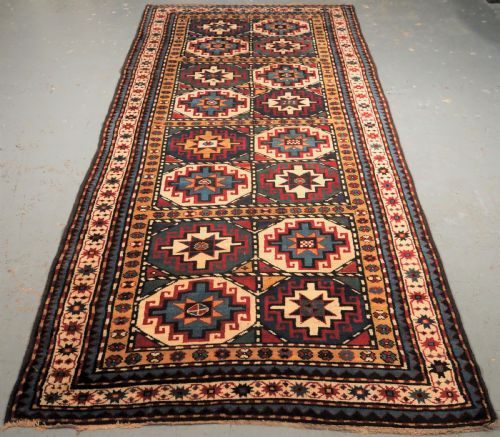
When you search for an antique moghan rug, you are looking at tribal textiles woven in the region of Azerbaijan and the Caucasian mountains. The pieces available here span the latter half of the nineteenth century, running from eighteen sixty through to nineteen hundred. Most commonly, you will encounter Kazak rugs alongside smaller utility forms such as vanity bags and saddle bags.
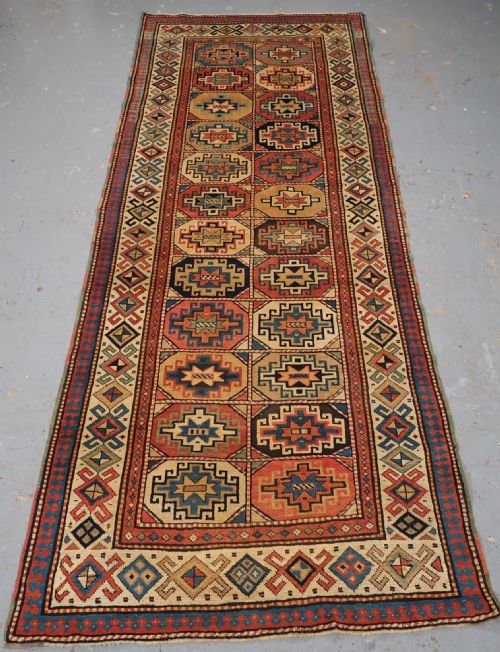
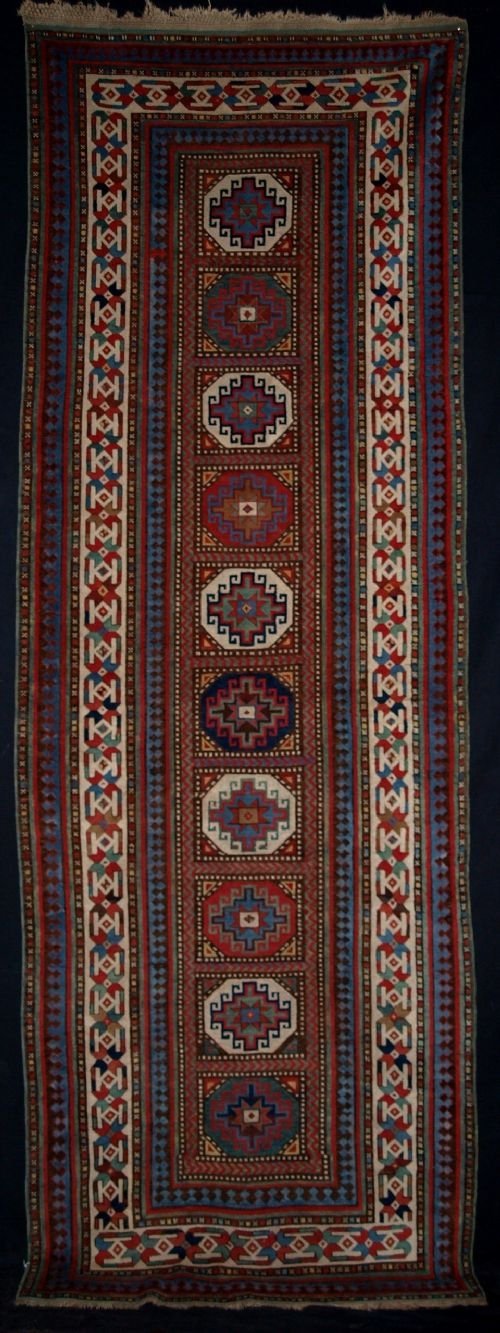
The regional output divides between standard floor coverings and nomadic storage pieces created by the Shahsevan tribes. Runners and long rugs appear frequently, carrying distinct geometric motifs across wool foundations. These items originate from specific tribal weaving traditions tied to the landscape of the South-Western Caucasus.
How they were made
Makers constructed these textiles using hand-spun wool for the pile and foundation yarns. Natural dyes provided the palette, yielding soft colours that developed a mellow patina across the decades. Artisans incorporated leather and metal accents on specific functional pieces like saddle bags.
The structural weaving techniques rely on tight knotting to withstand nomadic daily use. Loom work followed traditional tribal designs passed down through generations, ensuring durability in both full-scale rugs and smaller vanity bags.
Object types span full-scale runners, Kazak rugs, and nomadic saddle bags from the Shahsevan tribes.
What varies in quality
The strength of the natural dye work dictates much of the visual success in these textiles. Subtle shifts in shade and the clarity of soft colours separate the finer examples from simpler work.
Structural integrity depends on the tightness of the wool spin and the evenness of the knotting across the rug or runner. Intricacy in the execution of hooked medallions and Memling guls provides a clear measure of the weaver's skill.
The Antique Moghan Rug Glossary
- Kazak
- A designation for rugs woven in the mountainous regions of the Caucasus. These pieces are known for strong geometric designs and saturated palettes.
- Memling gul
- An octagonal göl motif featuring hooked appendages, frequently repeated across tribal rugs. The design takes its name from fifteenth-century Flemish painter Hans Memling who painted similar carpets.
- Shahsevan
- A confederation of nomadic pastoralists inhabiting the regions of Azerbaijan and northern Persia. They are particularly noted for producing utilitarian bags alongside floor rugs.
- Gul
- A medallion or repeated octagonal stamp used as a primary motif in oriental carpets. The term translates as flower or rose in various regional languages.
- Runner
- A long, narrow carpet format designed for corridors or narrow spaces. In tribal weaving, these pieces maintain the same density of iconography as larger formats.
Antique Moghan Rug: Frequently Asked Questions
What is an antique moghan rug?
An antique moghan rug is a tribal textile originating from the nomadic weaving traditions of the Caucasus and Azerbaijan region. These pieces typically feature geometric motifs executed in hand-spun wool.
The examples found here date from the late nineteenth century and include both floor rugs and smaller nomadic items like saddle bags.
How do I identify a Shahsevan piece?
Shahsevan pieces often present as functional items such as vanity bags, half-saddlebags, or complete sets of small storage containers. They share the same regional wool and natural dye characteristics as larger rugs from the area.
The weaving structure reflects the mobile lifestyle of the makers, utilising durable materials designed to endure daily transit.
What designs appear on these rugs?
The most frequent patterns involve hooked medallions and Memling guls arranged across the field. These geometric devices are hallmarks of Caucasian tribal weaving.
Runners and long rugs showcase these symbols in repeating sequences, while smaller formats concentrate the iconography into compact spaces.
Where were these rugs made?
Production centred on the Moghan region, situated in the South-Western Caucasus and parts of modern Azerbaijan. Nomadic groups and local weavers utilised the local pastoral resources for their materials.
The landscape and tribal affiliations heavily influenced the visual vocabulary of each textile.
How do I live with an antique rug?
Place these rugs in low-traffic areas or spaces where their wool pile and soft colours can be appreciated without excessive friction. Using a breathable underlay helps protect the historic foundation.
Keep them away from direct sunlight to preserve the integrity of the natural dyes used in the nineteenth century.