




Antique Modeling Stand
An antique modeling stand provides a sturdy working platform for sculptors and artists, bringing functional utility and industrial character into modern interiors.
Antique Modeling Stand
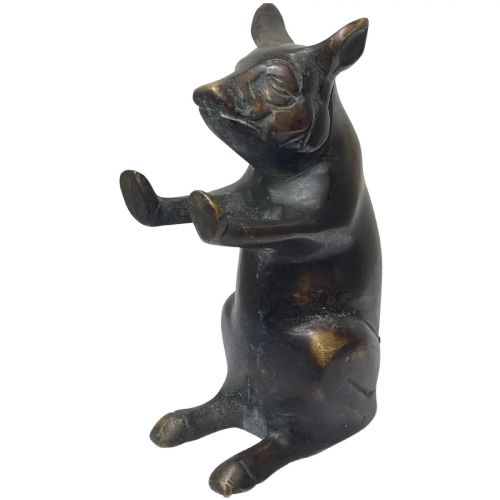
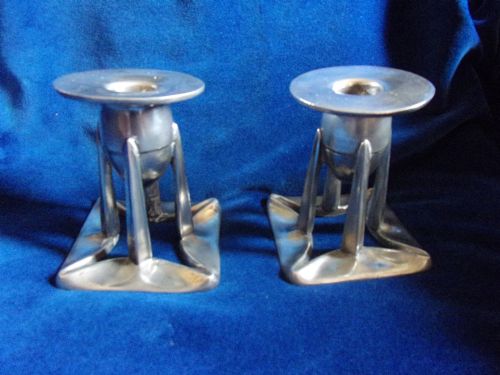
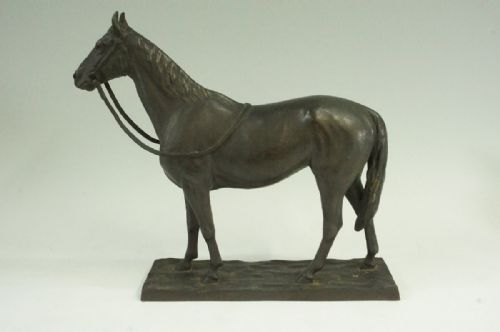
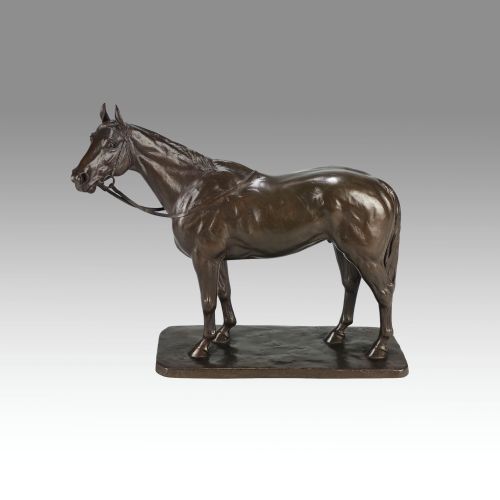
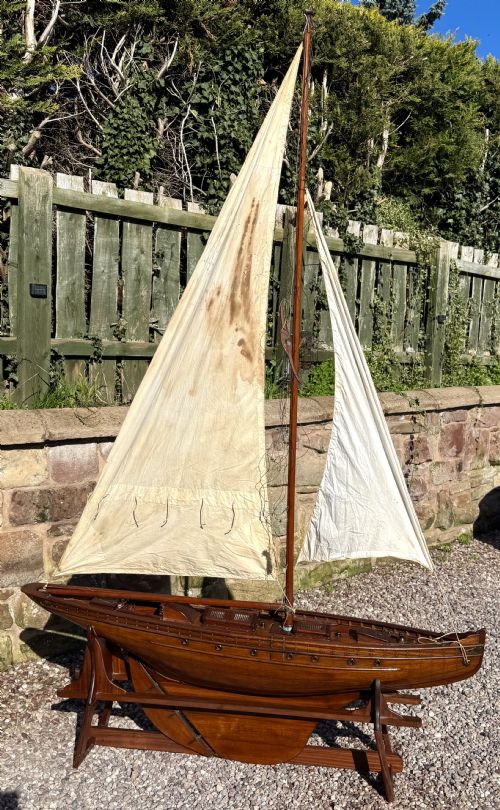
When searching for an antique modeling stand, buyers encounter sturdy studio furniture designed to support sculptors, alongside various decorative models, dioramas, and table displays from the nineteenth and early twentieth centuries. The selection encompasses utilitarian pine pieces intended for artists alongside maritime pond yachts, bronze animal sculptures, and botanical plaster specimens.
The most prevalent forms on this page date from the early twentieth century and the Victorian era, spanning rustic utilitarian items and decorative table ornaments. These pieces reflect diverse aesthetics including Art Deco, Arts and Crafts, and folk art traditions.
How they were made
Wood serves as the primary structural material, notably pine utilised for robust studio stands and large pond yacht hulls. Metal components such as bronze, brass, and silver plate appear across candlesticks, animal figures, and aircraft models.
Makers employed traditional joinery for wooden furniture frames and casting techniques for metal sculptures. Finer details rely on hand finishing, whether carving wooden hulls or chasing bronze surfaces.
Antique Modeling Stand Retail Price Guide 2026
Typical asking prices for modeling stand among the pieces listed under this phrase on Sellingantiques today, from the lower quarter to the upper quarter. They describe what is for sale here now, not the wider market.
Listings span the Victorian era through the 1930s, featuring materials such as pine, bronze, canvas, and glass.
What varies in quality
Quality rests in the integrity of construction and the fidelity of the execution, distinguishing workshop tools from decorative ornaments. Superior examples display thoughtful proportions and robust material selection.
The distinction between standard production items and distinguished studio pieces or named designs shapes the hierarchy of these objects. Patina and surface preservation further define the desirability of each piece.
Archibald Knox·Kunio Itô·Fischel·Mappin & Webb·Clodion
The Antique Modeling Stand Glossary
- Patina
- The surface sheen and coloration developed through age, handling, and use. This natural ageing indicates authenticity.
- Casting
- The process of pouring molten metal into a mould to form a specific shape. Bronze figures rely heavily on this method.
- Diorama
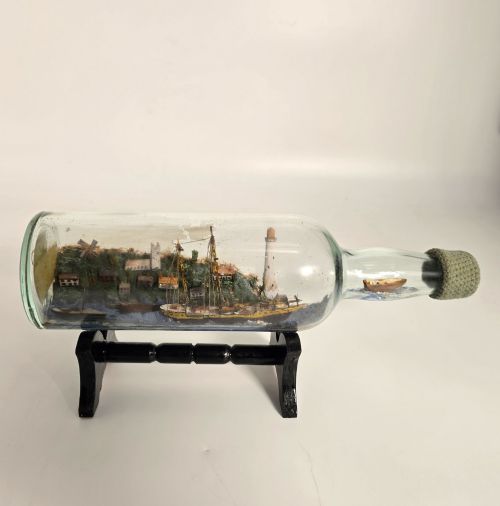
- A three-dimensional scene depicting historical events, maritime vessels, or landscapes within a framed enclosure. Ship examples frequently incorporate wooden stands.
- Utilitarian
- Designed primarily for practical use rather than ornamental display. Pine stands exemplify this functional approach.
Antique Modeling Stand: Frequently Asked Questions
What is an antique modeling stand?
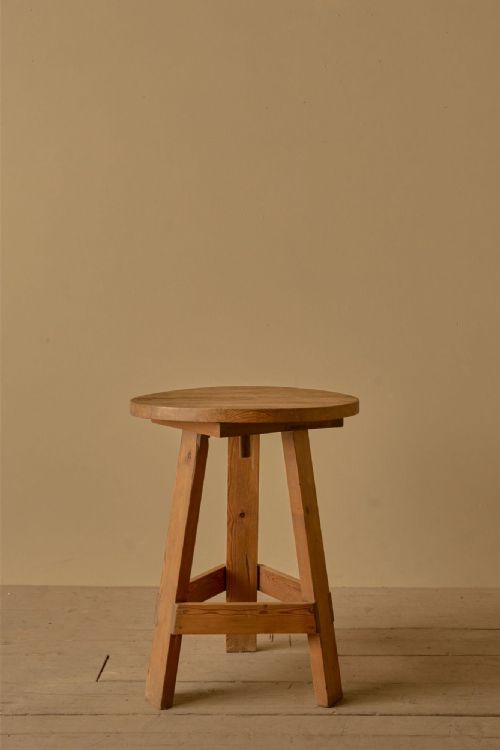
An antique modeling stand is a heavy-duty platform utilised by sculptors to hold clay or plaster works in progress. These pine pieces offer adjustable heights and rotating tops for studio convenience.
Today, interior designers repurpose these industrial platforms as display tables or sculptural focal points within living spaces.
How do I date an antique stand?
Dating relies on examining the timber species, construction joints, and tool marks visible on the underside or structural frame. Early twentieth-century pieces often show machine assistance alongside hand shaping.
Comparing the hardware and surface wear with dated examples in the same category helps confirm the period of production.
Are these stands suitable for daily use?
Studio stands are engineered to support heavy weights, making them robust enough for daily placement of lamps, plants, or art objects. Their solid wood construction ensures long-term stability.
Placing felt pads beneath the base protects modern flooring from heavy timber or metal feet.
How should I clean wood and metal stands?
Maintenance requires gentle dusting with a dry microfiber cloth to preserve the accumulated surface patina. Avoid harsh chemical cleaners that strip historical finishes.
Applying microcrystalline wax periodically helps nourish dry pine and protects metal components from atmospheric moisture.