
Antique Mirrored Sideboard Cabinet
An antique mirrored sideboard cabinet brings reflective depth and timber warmth into a room, offering both display space and concealed storage.
Antique Mirrored Sideboard Cabinet
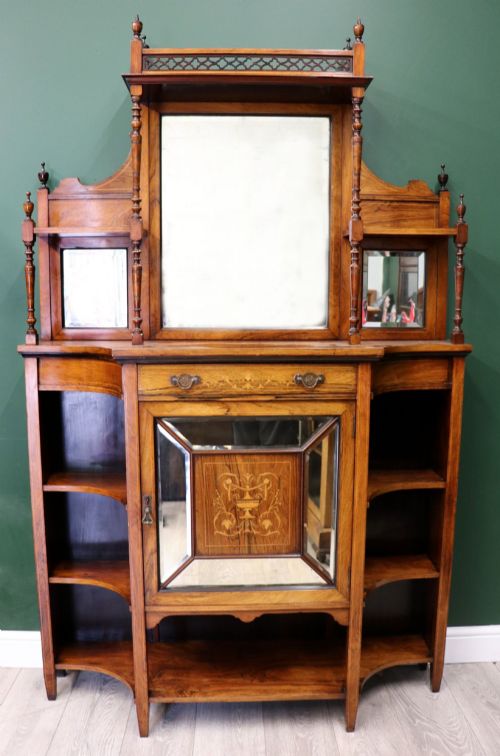
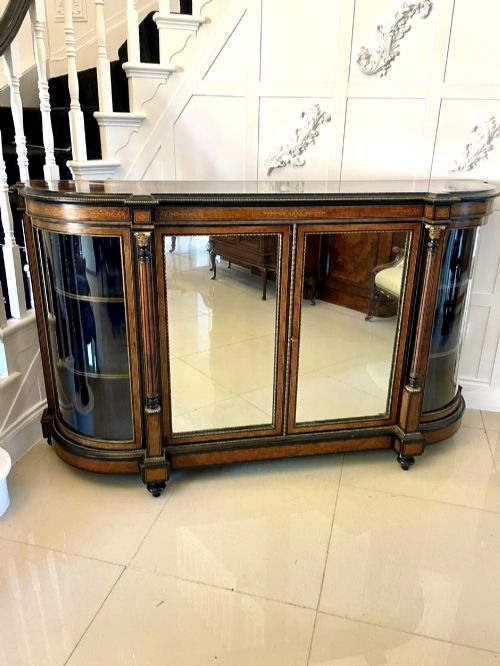
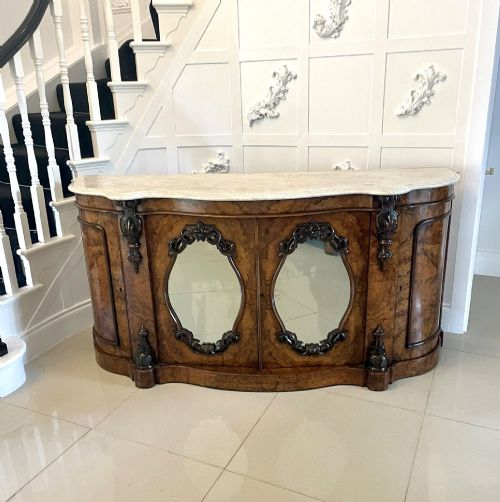
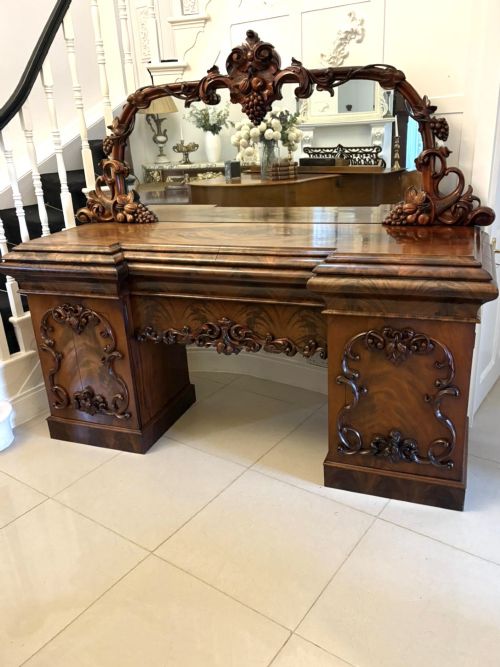
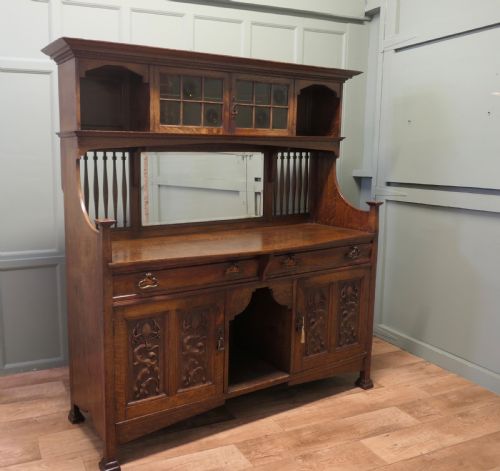
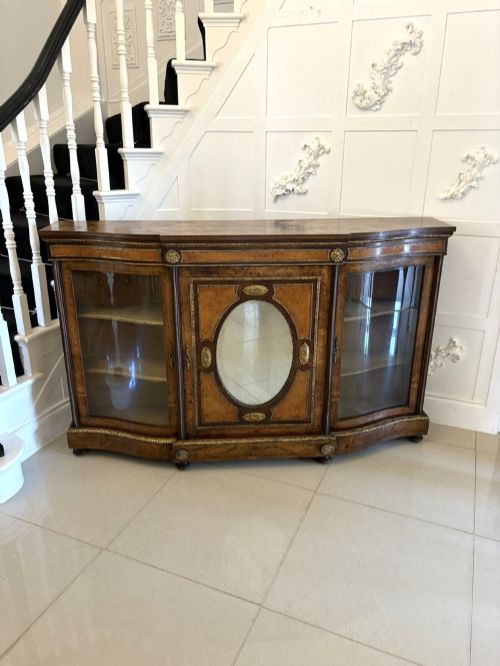
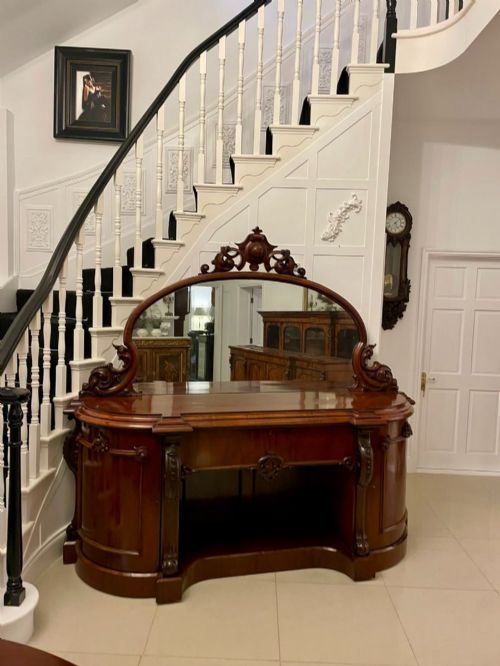
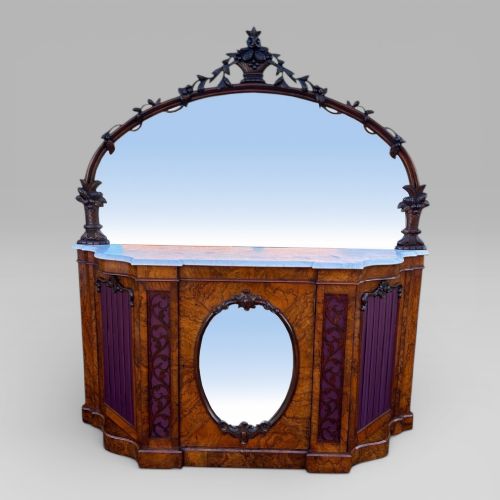
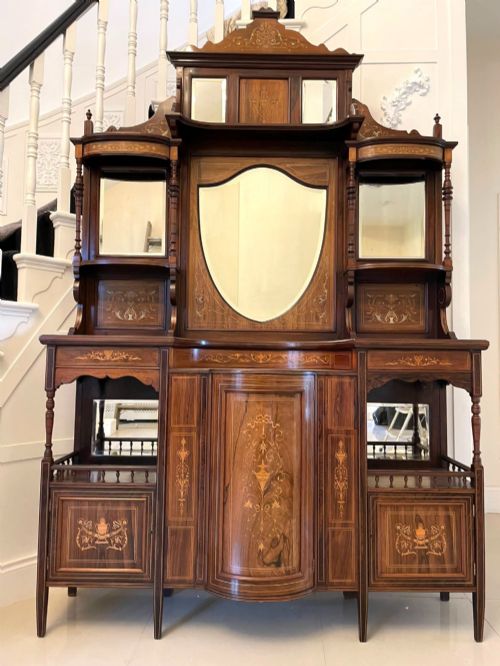
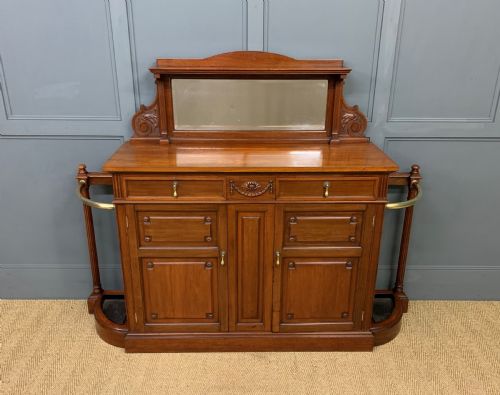
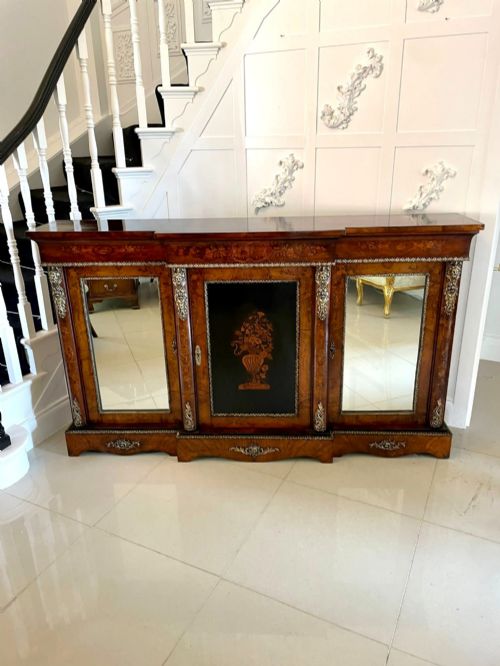
An antique mirrored sideboard cabinet encompasses varied forms such as credenzas, chiffoniers, display cabinets, and mirror-backed sideboards originating across the nineteenth and early twentieth centuries. Buyers seeking an antique mirrored sideboard cabinet frequently encounter nineteenth-century Victorian and Edwardian examples fashioned from rich timbers like burr walnut, mahogany, and rosewood. These pieces served practical dining and reception room functions, combining shelving, cupboards, and mirrored elements.
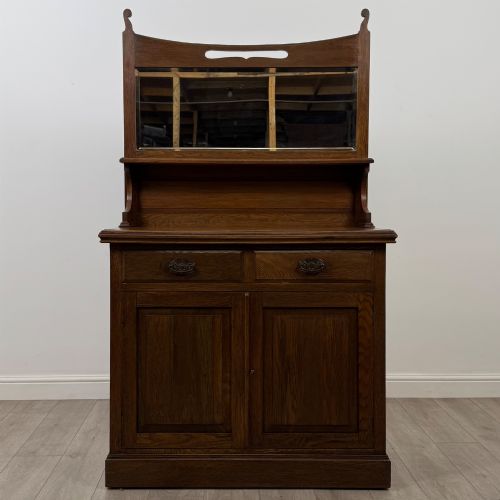
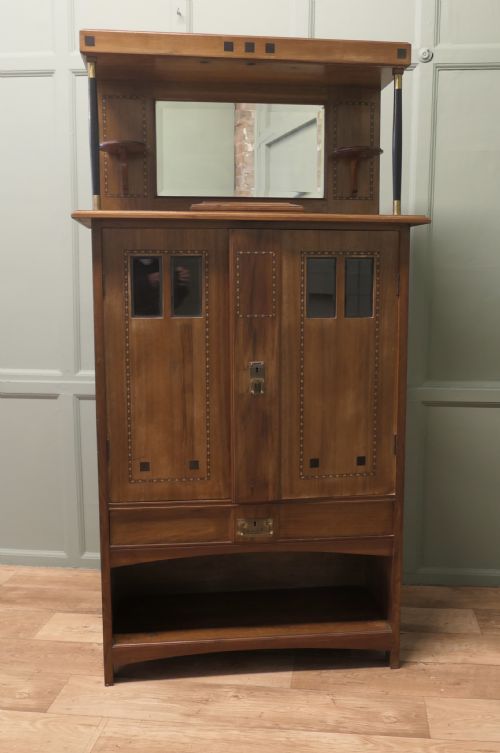
The selections span distinct stylistic movements including Regency, Arts and Crafts, Aesthetic Movement, and Secessionist designs. Earlier nineteenth-century iterations often favour rosewood and mahogany with brass details, while later Victorian and Edwardian pieces utilise burr walnut and carved oak with integrated mirror glass.
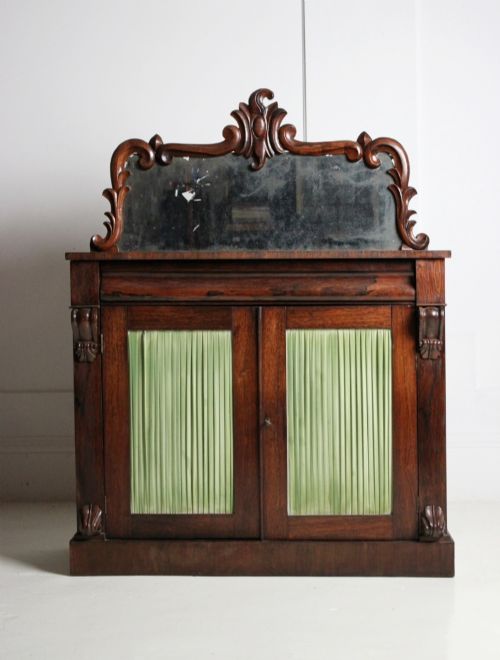
Side cabinets and credenzas bridge the gap between heavy dining room storage and refined display furniture. The inclusion of mirror glass, whether in cabinet doors or tall mirror backs, defines the visual character of these forms.
Materials and Construction
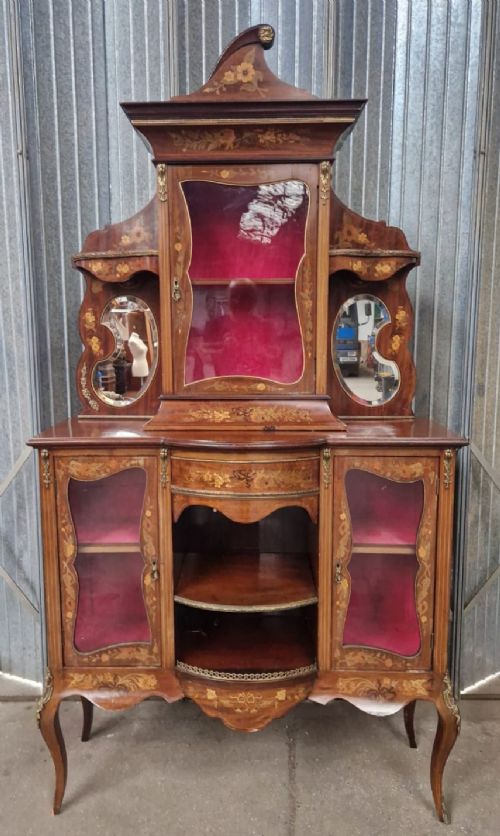
Cabinet makers utilised dense hardwoods such as mahogany, rosewood, burr walnut, and oak as the structural foundation for these pieces. Marquetry, brass inlay, and ormolu mounts frequently decorated the exterior surfaces of high-status Victorian and Regency examples.
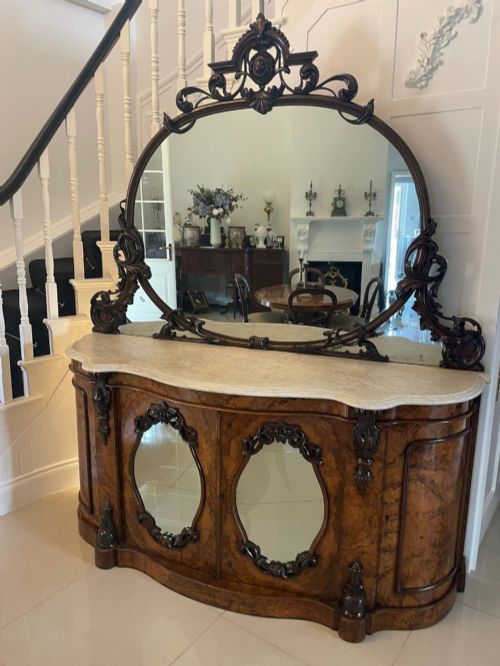
Mirror glass was integrated into panelled doors or mounted into elaborate carved wooden frames above the main sideboard surface. Joinery techniques relied on traditional hand-cut joints, solid timber carcases, and carefully selected veneer grains to create complex patterns on drawer fronts and cupboard doors.
Some nineteenth-century cabinet makers secretly concealed small hidden drawers inside credenzas for storing private journals and correspondence.
Craftsmanship and Proportion
Superior examples demonstrate precision in timber selection, particularly in the matching of burr walnut or mahogany veneers across large surfaces. Finer pieces feature crisp hand-carving, substantial brass or ormolu mounts, and original mercury or silvered mirror glass with appropriate ageing.
Structural integrity, the quality of the internal joinery, and the retention of original hardware separate workshop-standard items from mass-produced or heavily altered pieces. The harmony of proportions between the lower cabinet and any accompanying mirror back dictates the overall visual success of the piece.
Shoolbred and Co.·Collinson and Lock·Gillows·Garnett and Sons·Holland and Sons
The Antique Mirrored Sideboard Cabinet Glossary
- Credenza
- A low dining room cabinet or sideboard, frequently featuring mirrored doors and ormolu mounts during the Victorian period. They often stood against a primary wall in formal reception rooms.
- Chiffonier
- A compact sideboard or cabinet equipped with shelving and cupboards, popular throughout the nineteenth century. They commonly incorporate mirrored backs or glass-fronted lower doors.
- Ormolu
- Gilded bronze mounts applied to cabinet furniture for decorative emphasis, seen frequently on high-end nineteenth-century credenzas. The technique involves applying a mercury-gold amalgam to cast bronze.
- Marquetry
- Decorative veneer work forming intricate patterns or pictures using various coloured woods. Craftsmen cut thin slices of timber and fitted them together like puzzles onto the carcase.
- Mirror Back
- A tall wooden superstructure incorporating a mirror plate attached to the rear of a sideboard or cabinet. This feature reflects light and displays porcelain or silver objects placed on the ledge below.
Antique Mirrored Sideboard Cabinet: Frequently Asked Questions
How do I care for antique mirror glass?
Antique mirror glass requires gentle cleaning with a dry or barely damp microfiber cloth to avoid damaging the silvered backing or vulnerable edges. Harsh chemical cleaners can seep behind the glass and accelerate the degradation of the reflective coating.
Allowing natural foxing and minor blemishes to remain preserves the authenticity and age of the glass without risking further deterioration.
Where should I place a mirror-backed cabinet?
Position these cabinets against solid interior walls away from direct, prolonged sunlight to protect sensitive rosewood or walnut veneers from fading. Placing them opposite windows allows the mirrored glass to reflect natural light deeper into the room.
Ensure the floor surface is level, as heavy timber carcases and marble tops require stable support to prevent door alignment issues.
How do I identify an Aesthetic Movement piece?
Aesthetic Movement cabinets from the late nineteenth century often display ebonised finishes, simplified linear structures, and subtle brass hardware. These designs rejected heavy Victorian ornamentation in favour of artistic simplicity and craftsmanship.
Such pieces frequently incorporate glazed or mirrored doors designed to balance utility with visual lightness.