



Antique Mirrored Plateau
An antique mirrored plateau is a table centrepiece designed to reflect candlelight and display silver or glass, adding formal theatre to a dining room.
Antique Mirrored Plateau
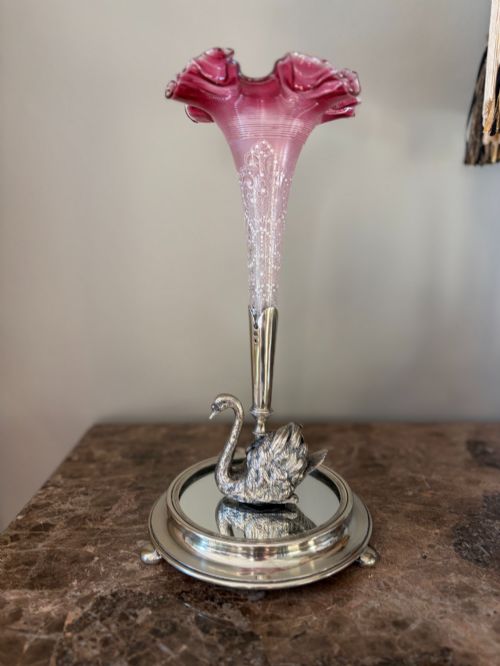
An antique mirrored plateau serves as a decorative base for the dining table, traditionally placed at the centre to carry flower arrangements, urns, or glassware. These pieces function by catching the light from candles or chandeliers, brightening the table surface and amplifying the display above them.
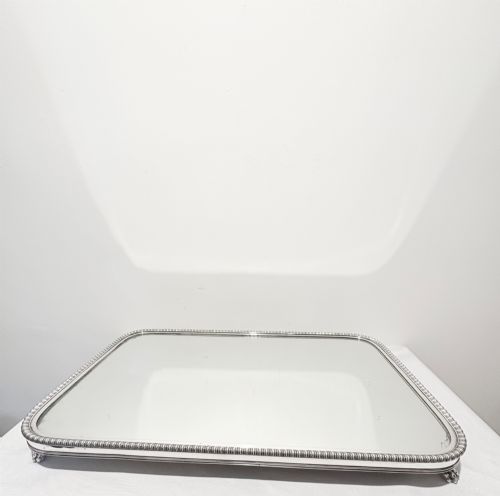
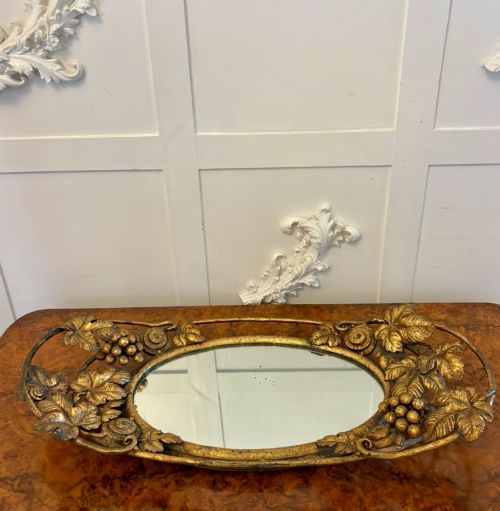
The versions most commonly met across these listings take the form of French and English silver plated or silvered metal mounts, often circular or oblong, resting on small feet. Makers shaped these surrounds in varied styles ranging from Victorian and Edwardian to Art Deco and French Napoleon III.
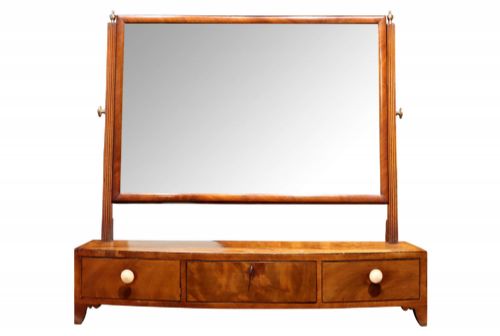
Beyond formal dining, the selection includes related mirror trays and sideboard centrepieces utilised for serving wine or displaying small ornaments. Mahogany dressing table mirrors and epergnes also appear within the broader scope of mirrored tablewares on offer.
Materials and construction
Makers constructed the structural frames of these plateaux using silver plate, silvered metal, gilt metal, pewter, and mahogany, often supporting a heavy bevelled glass mirror plate within a wooden or metal base. The metal mounts feature cast or pierced decoration, displaying motifs such as grape vines and geometric borders.
The mirror glass itself sits flat upon a supportive backing, occasionally etched with delicate patterns or plain to maximise reflection. Plated and gilt finishes give the outer rims a lustrous appearance designed to complement formal silver tableware.
Antique Mirrored Plateau Retail Price Guide 2026
Typical asking prices for mirrored plateau among the pieces listed under this phrase on Sellingantiques today, from the lower quarter to the upper quarter. They describe what is for sale here now, not the wider market.
The listings feature mirrored plateaux spanning the nineteenth and early twentieth centuries, constructed in materials including silver plate, mahogany, oak, and gilt metal.
Distinctions in quality
Quality in an antique mirrored plateau rests upon the crispness of the cast metal mount and the thickness of the silver plating or gilding applied to the frame. Finer examples display deeply chased ornamentation and sturdy construction that prevents the central glass plate from flexing under weight.
The condition and clarity of the original mirror plate heavily influence the desirability of a piece, alongside the presence of maker marks or registered design numbers. Heavier timber bases and superior silvered surfaces distinguish standard production items from finer workshop pieces.
The Antique Mirrored Plateau Glossary
- Plateau mirror
- A mirrored table base designed to hold centrepieces or serve as a decorative standalone tray. It sits low on the dining surface.
- Surtout de table
- A large decorative centrepiece set, often incorporating a mirrored plateau and matching vases or figures. It spans the middle of formal dining tables.
- Silver plate
- A thin layer of silver fused to a base metal such as copper, brass, or pewter. This technique provided the look of solid silver at a lower cost.
- Epergne
- A tiered centrepiece featuring a central bowl surrounded by smaller hanging baskets or arms. These often incorporate mirrored glass components.
- Sorcerer mirror
- A convex or specialised mirror plate designed to distort reflections slightly or provide a wide-angle view. These appear in specific nineteenth-century novelty forms.
Antique Mirrored Plateau: Frequently Asked Questions
What is an antique mirrored plateau used for?
These pieces serve as decorative table bases designed to carry centrepieces, candelabra, or glass services during formal meals. The reflective surface doubles the visual impact of whatever rests upon them.
They also function effectively on sideboards or serving tables for holding wine decanters and glassware, protecting the wood underneath while brightening the display.
How can I tell the period of a plateau?
Dating relies on stylistic clues within the metal mount, such as the heavy ornamentation of Victorian pieces, the fluid lines of Edwardian grape vine motifs, or the clean geometric shapes of Art Deco trays. Supporting feet and construction methods also point towards specific decades.
Look for stamped registry numbers or maker marks on the underside or rim, which can narrow down the production year. Mahogany frames often follow the cabinetmaking styles of the early nineteenth century.
Can I use a plateau on a dining table?
These objects were built specifically for dining tables and sideboards, making them suitable for modern tables provided the weight of the items placed on top is distributed evenly. The felt or baize usually found on the underside protects polished wood surfaces from scratches.
Ensure the plateau sits level on the table surface to prevent rocking when placing glasses or decanters onto the glass plate.