

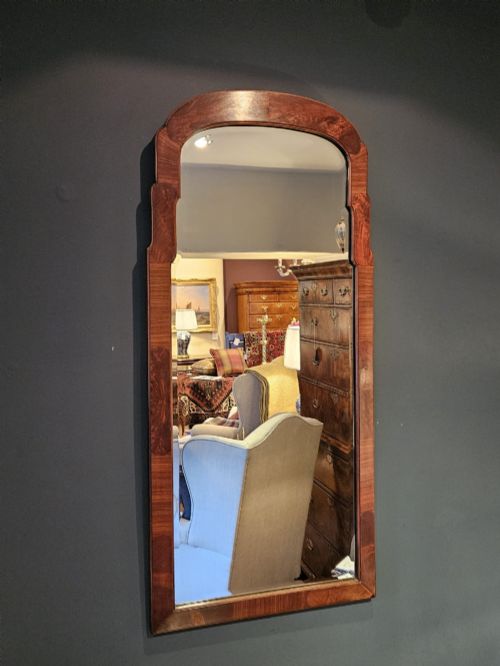
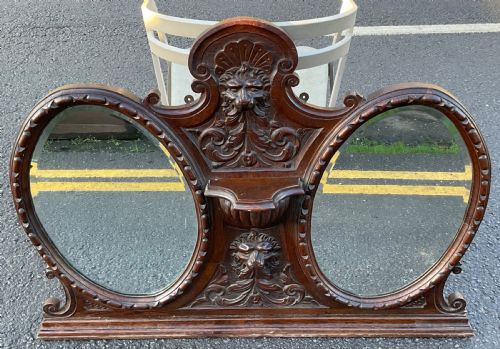
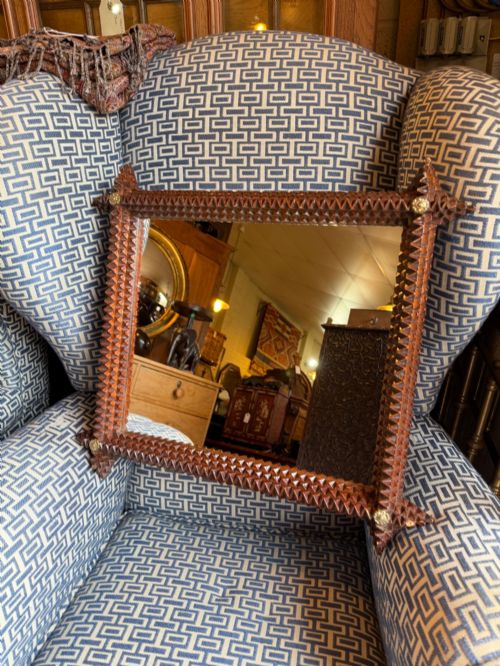
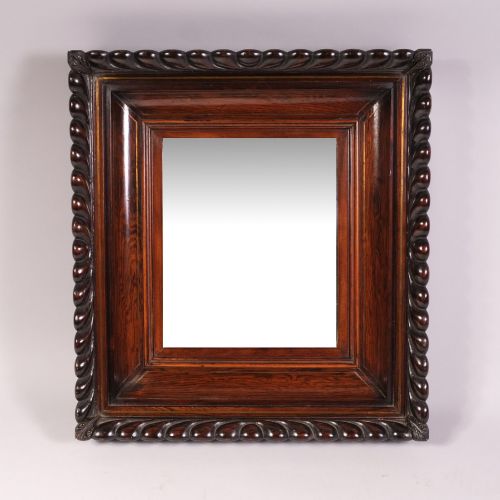
Antique Mirror with Wooden Frame
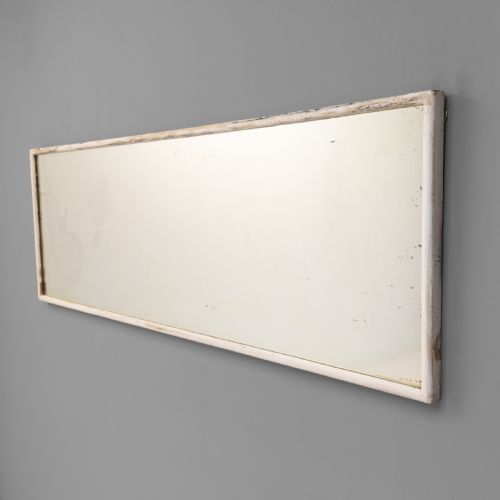
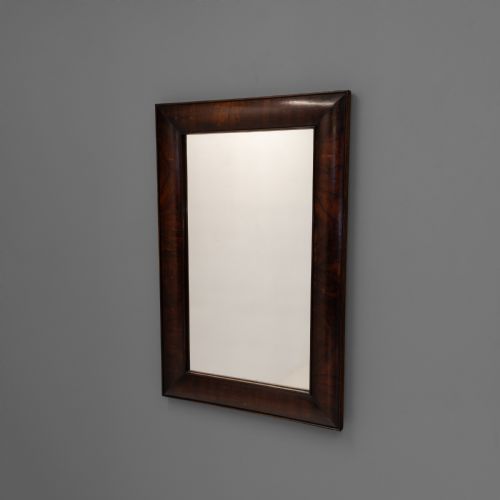
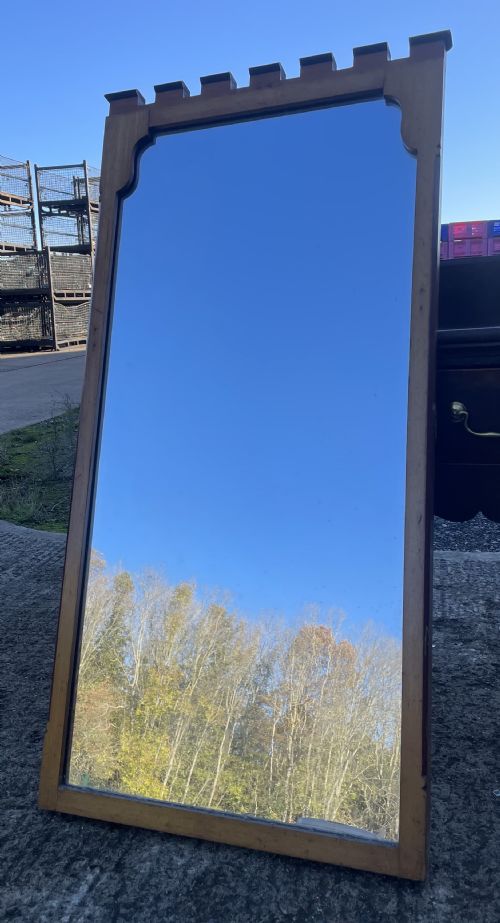
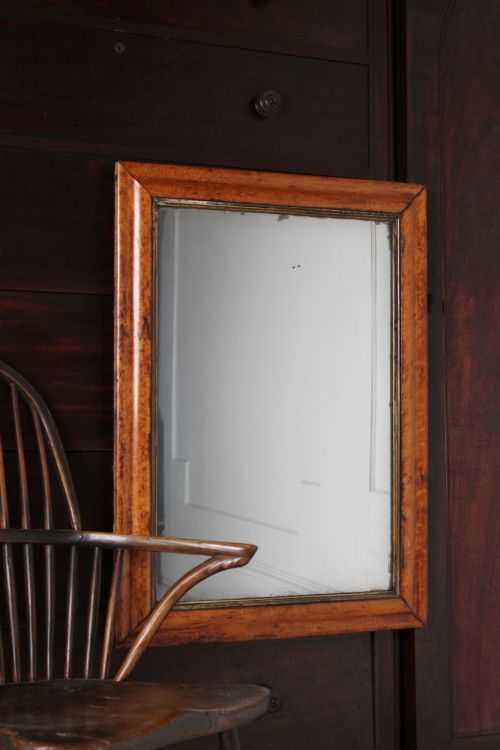
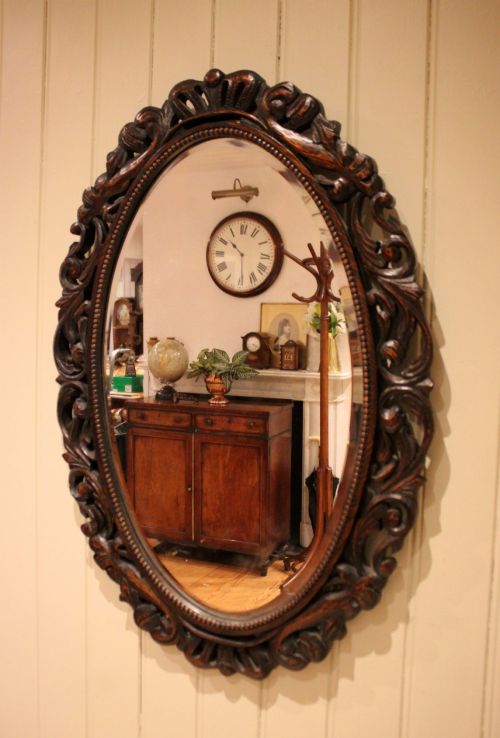
An antique mirror with wooden frame brings depth and character to a room, using natural timber and glass to catch the light.
Antique Mirror with Wooden Frame
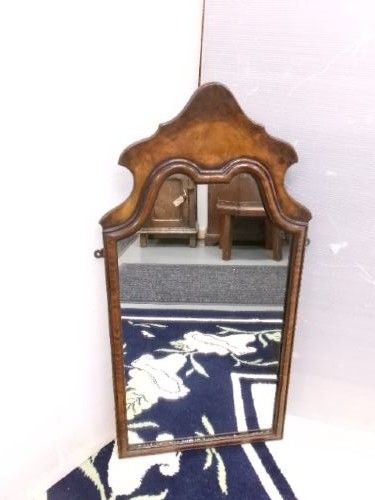
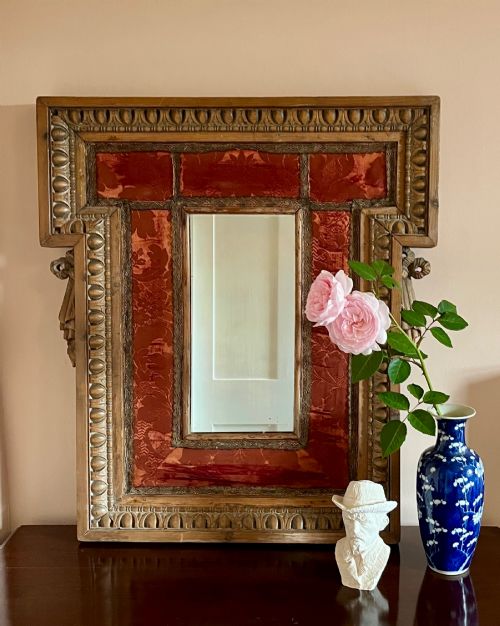
An antique mirror with wooden frame encompasses wall mirrors, toilet mirrors, and overmantel mirrors spanning the eighteenth, nineteenth, and early twentieth centuries. You will frequently encounter Victorian and Georgian examples alongside later Edwardian pieces.
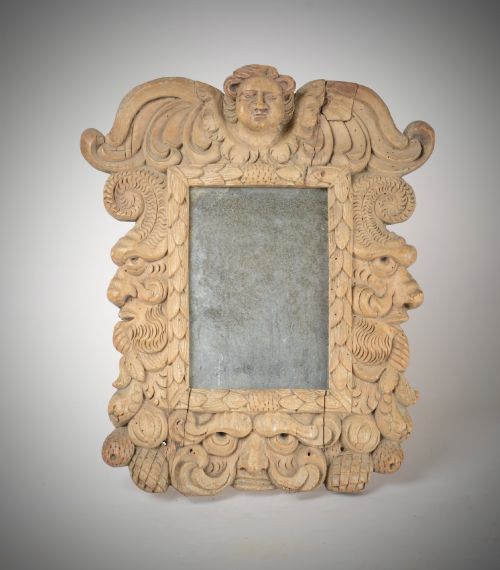
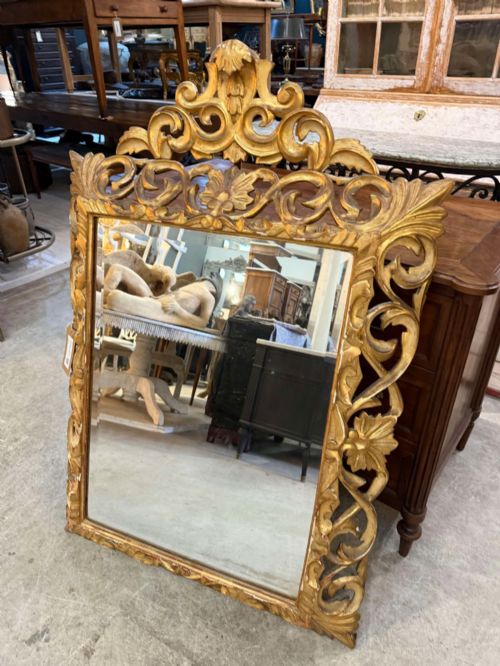
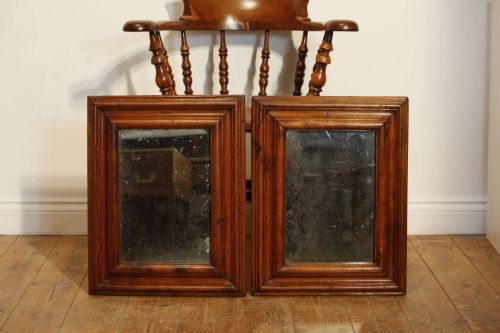
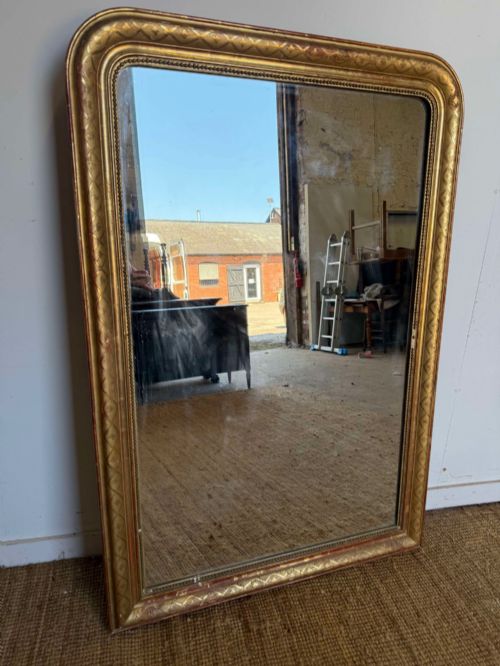
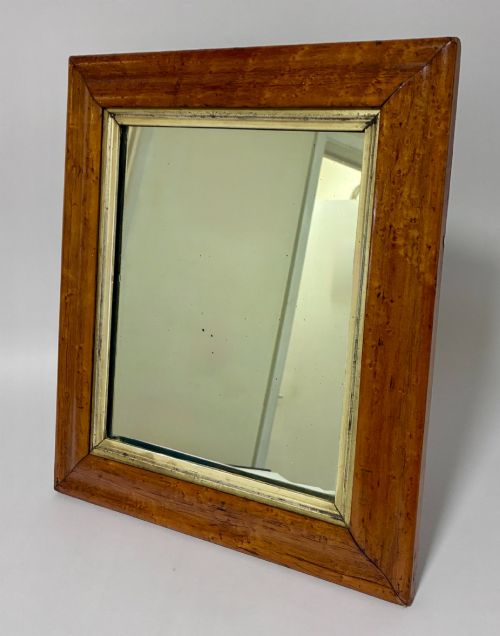
The selection ranges from compact dressing table mirrors and horseshoe designs to large triptych overmantels intended for grand chimney breasts. Woods such as walnut, mahogany, oak, and maple provide the primary structures, often paired with carved giltwood or brass details.
How they were made
Craftsmen built these frames using traditional timbers like mahogany, walnut, and oak, frequently applying carved gesso, gold leaf, or giltwood finishes for decorative depth. Regional variations include Levantine frames featuring nacre-shell inlay and mashrabiya turned panels.
Glass plates were silvered by hand or bevelled to catch the light, sometimes remaining original to the piece alongside reverse glass prints or engraved plates. Brass hooks, mounts, and copper decorations were integrated to secure and ornament the wooden structures.
Antique Mirror with Wooden Frame Retail Price Guide 2026
Typical asking prices for mirror with wooden frame among the pieces listed under this phrase on Sellingantiques today, from the lower quarter to the upper quarter. They describe what is for sale here now, not the wider market.
What varies in quality
The sophistication of the woodcarving and the integrity of the original glass plate distinguish exceptional examples from simpler utilitarian pieces. Crisp details such as floral carvings, bird cresting, or intricate inlay indicate skilled workshop production.
The survival of original surfaces, whether aged gilt, polished walnut, or painted oak, preserves the historic character of the mirror. Structural cohesion in the wooden joinery and backboards ensures the heavy glass remains secure over centuries.
The Antique Mirror with Wooden Frame Glossary
- Overmantel mirror
- A large mirror designed specifically to be hung above a fireplace mantelpiece. These often feature wide horizontal proportions or triptych sections.
- Toilet mirror
- A smaller dressing table or bureau mirror supported on a swivelling frame with miniature drawers or upright supports. They date frequently from the Georgian and Victorian periods.
- Giltwood
- Timber carved and coated with a thin layer of gold leaf or gesso. It provides a reflective, ornate surface typical of Rococo and Baroque revival styles.
- Bevelled glass
- A mirror plate with edges cut and polished at an angle to create a framed border effect. This technique catches light distinctively.
- Mashrabiya
- An architectural element of turned wooden lattice panels used decoratively in framing. It appears on specific Levantine pieces.
Antique Mirror with Wooden Frame: Frequently Asked Questions
How do I date an antique wooden mirror?
Examine the wood species, construction methods of the frame, and the characteristics of the glass plate. Eighteenth-century pieces often utilise walnut or mahogany with hand-bevelled glass, while Victorian and Edwardian examples show distinct revival styles.
Secondary materials like brass hardware, backing boards, and any accompanying prints or reverse glass paintings offer further clues to the decade of manufacture.
Where should I hang an overmantel mirror?
An overmantel mirror traditionally hangs directly above a fireplace mantel to reflect light and anchor the room's main hearth. Their wide proportions suit substantial wall spaces.
Ensure the wall fixings match the weight of the timber frame and glass, particularly for large mahogany or giltwood triptych versions.
What is the difference between a toilet mirror and a wall mirror?
Toilet mirrors are compact, freestanding pieces designed for dressing tables or bureaus, usually featuring a swivelling glass plate between two upright supports. Wall mirrors are constructed to mount directly onto vertical surfaces.
While wall mirrors focus on room display, toilet mirrors historically served personal grooming needs in bedrooms.
How do I care for an antique mirror frame?
Dust the wooden frame gently with a dry, soft cloth and avoid modern chemical polishes that can degrade aged wax or gilt surfaces. Keep the mirror away from direct sunlight and damp environments to protect the wood and silvering.
Inspect the hanging wire and structural joints periodically to ensure the heavy frame remains safely supported.