

Antique Mirror with Doors
An antique mirror with doors combines reflective glass with enclosed storage, offering both practicality and elegance in period furniture.
Antique Mirror with Doors
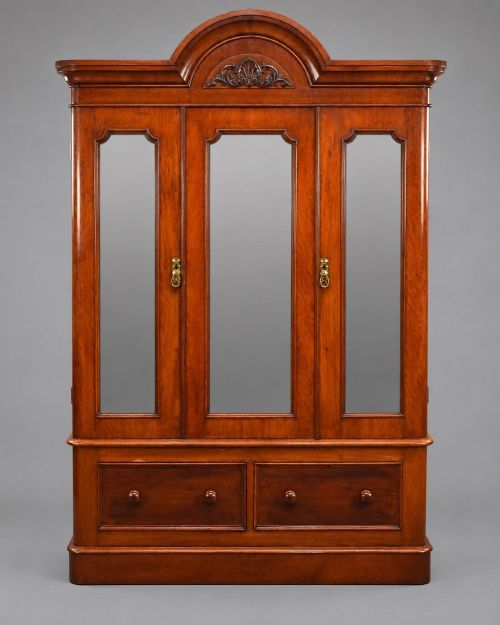
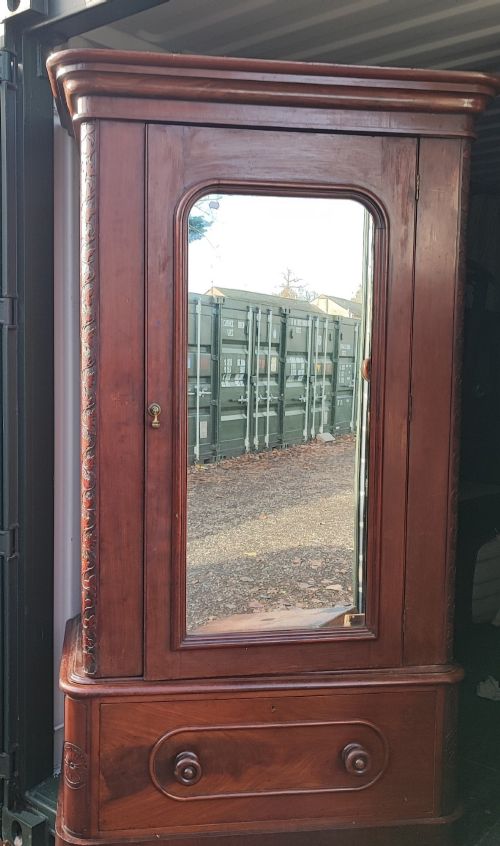
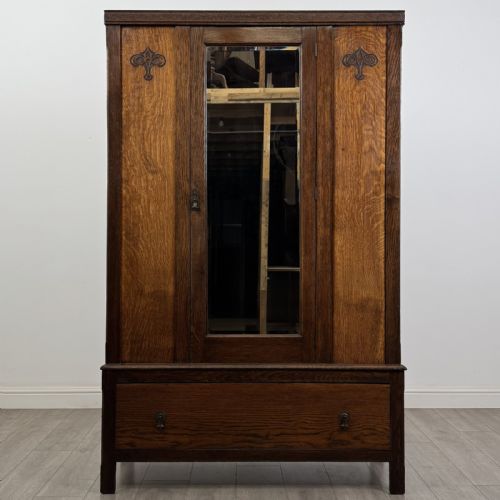
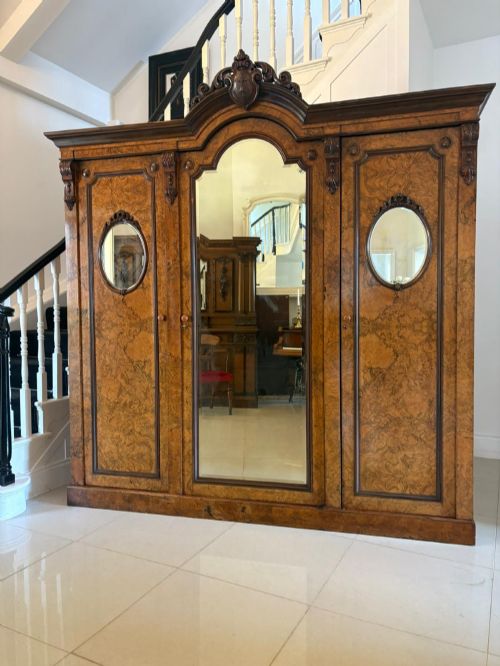
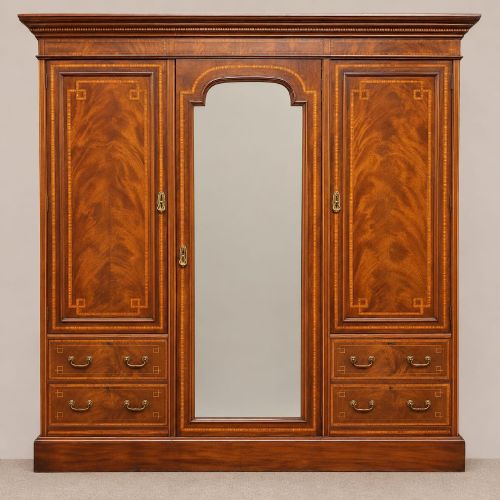
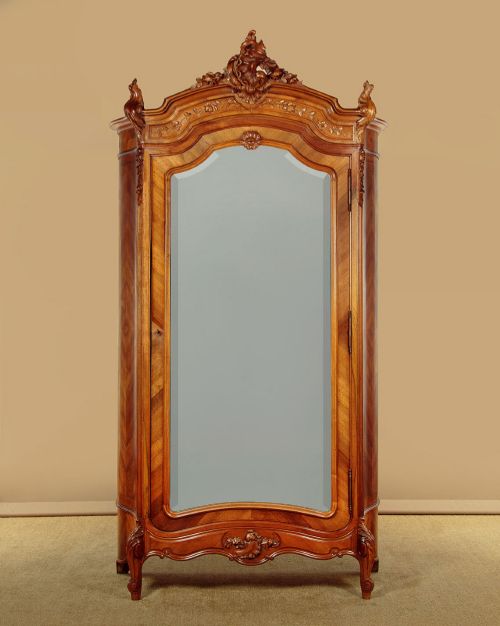
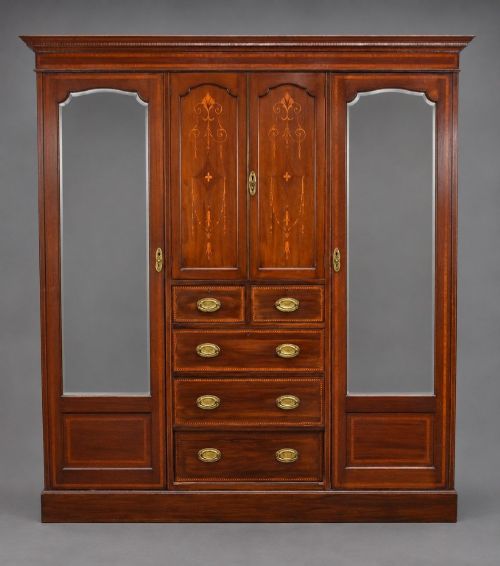
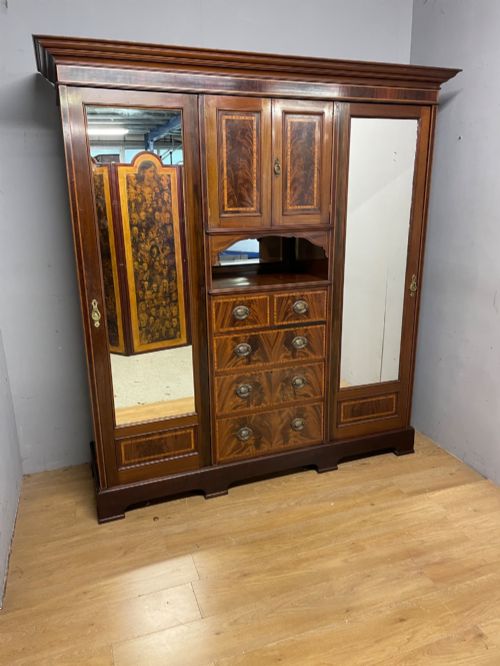
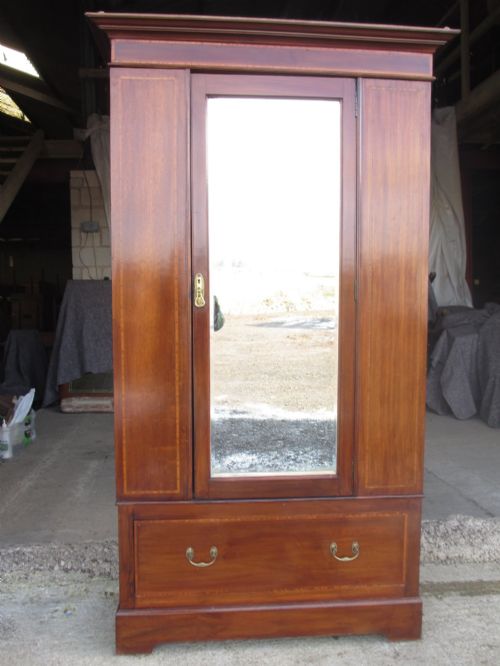
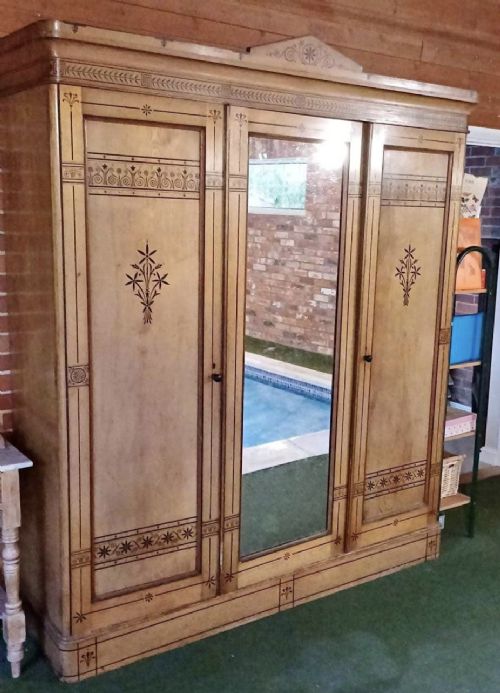
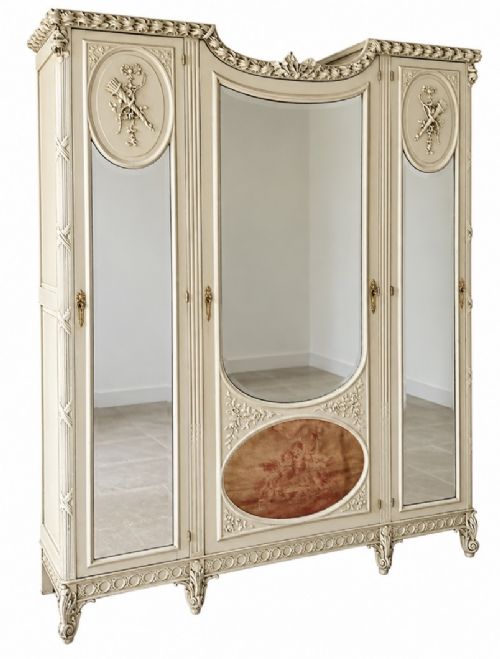
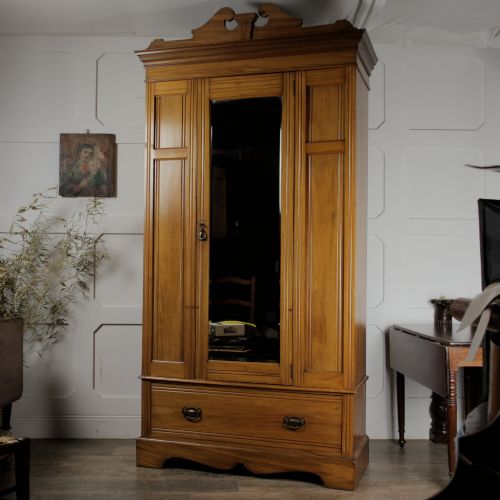
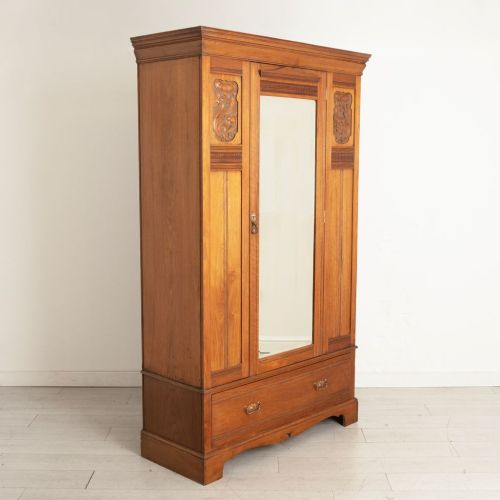
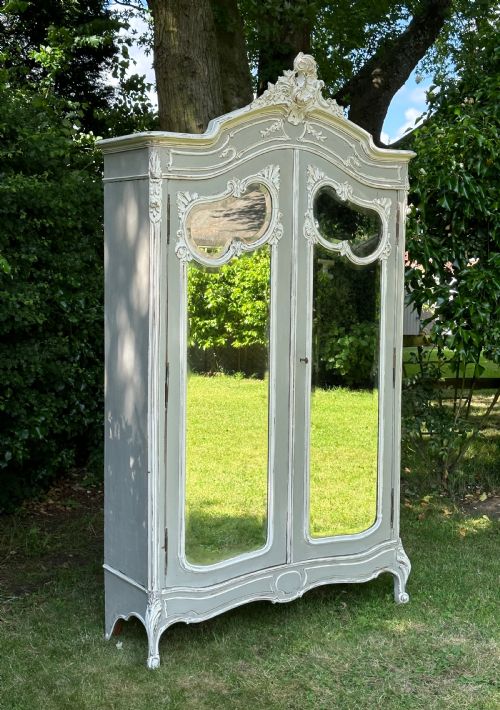
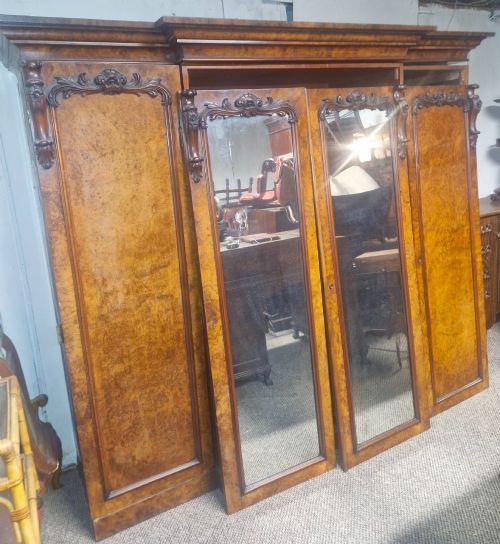
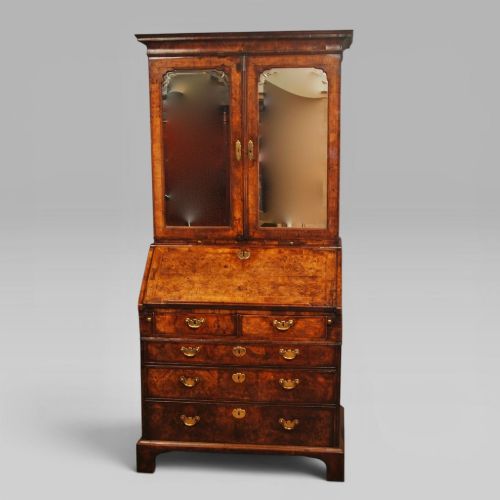
When you search for an antique mirror with doors, you encounter forms that integrate glass plates directly into cabinetry, most frequently appearing as wardrobes, armoires, credenzas, sideboards, and bureau bookcases.
The pieces on this page span from the 18th century through to the 1930s, encompassing Edwardian, Victorian, Regency, and Queen Anne styles alongside French Provincial and Louis XVI Revival designs.
Wardrobes and armoires provide the largest examples of an antique mirror with doors, while credenzas, chiffoniers, and bureau bookcases present smaller scale alternatives with mirrored door panels.
Materials and construction methods
Cabinet makers utilised a variety of timbers including mahogany, burr walnut, oak, pine, rosewood, and ash, frequently applying veneers to achieve decorative grain patterns.
Ormolu mounts, brass detailing, and inlay work decorate the exteriors, while glass serves both the mirrored door panels and internal display shelving.
Construction techniques range from traditional cabinet joinery on 18th-century bureau bookcases to large-scale fitted interiors found in Victorian and Edwardian wardrobes.
Antique Mirror with Doors Retail Price Guide 2026
Typical asking prices for mirror with doors among the pieces listed under this phrase on Sellingantiques today, from the lower quarter to the upper quarter. They describe what is for sale here now, not the wider market.
Listings feature pieces spanning from the 18th century through to the 1930s, covering Edwardian and Victorian eras.
Distinctions in quality
The selection of timbers and veneers heavily influences quality, with figured burr walnut and detailed mahogany cabinetry sitting at the upper end of the range.
The refinement of brass or ormolu mounts, intricate inlay, and carved detailing separates standard production items from master cabinet work.
Original mirror glass condition and the precision of the door alignment within the frame indicate the level of care and skill invested in the piece.
Gillows·Heals
The Antique Mirror with Doors Glossary
- Armoire
- A large upright cupboard or wardrobe with doors. These pieces often feature full-length mirrored panels set into the timber doors.
- Credenza
- A low sideboard or cabinet, frequently fitted with mirrored doors. They originate from the Victorian period and often incorporate ormolu mounts.
- Bureau bookcase
- A writing cabinet with a sloping flap, surmounted by glazed or mirrored doors. Examples date back to the 18th century in walnut and mahogany.
- Chiffonier
- A small sideboard resembling a low cupboard, sometimes equipped with a mirror back. Regency and Victorian versions commonly use rosewood.
- Compactum
- A fitted wardrobe designed to maximise internal storage with drawers and compartments. They often pair timber sections with a central mirrored door.
Antique Mirror with Doors: Frequently Asked Questions
What rooms suit an antique mirror with doors?
Large wardrobes and armoires with mirrored doors function well in bedrooms to provide both reflection and garment storage. Smaller credenzas and sideboards serve dining rooms and hallways effectively.
Their reflective surfaces help to bounce light around a room while the enclosed cupboards keep items concealed.
How do I date an antique mirror with doors?
Dating relies on identifying the prevailing style, timber choices, and construction methods used in the piece. For instance, walnut bureau bookcases often point to the 18th century, while satinwood and lighter oak finishes frequently indicate the Edwardian era.
Hardware such as brass ormolu mounts and the bevelling on the mirror glass provide further chronological clues.
Are the mirrors original to the cabinets?
Many pieces retain their original mirror glass, which can display subtle ageing or foxing. Replacement glass does occur during restoration work.
Inspecting the silvering behind the glass and the way the mirror is secured into the door frame helps determine originality.
How should I care for timber and mirror glass?
Maintenance involves applying appropriate furniture wax to nourish the wood surfaces like mahogany, burr walnut, or oak. Avoid harsh chemical sprays.
Glass cleaner applied to a cloth rather than directly onto the mirror prevents moisture seeping behind the plate and damaging the backing.