



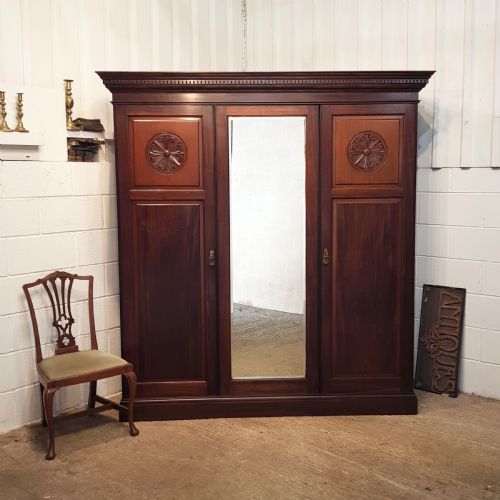
Antique Mirror C1890
An antique mirror c1890 brings late nineteenth century craftsmanship and rich materials into a room, offering practical reflection alongside period character.
Antique Mirror C1890
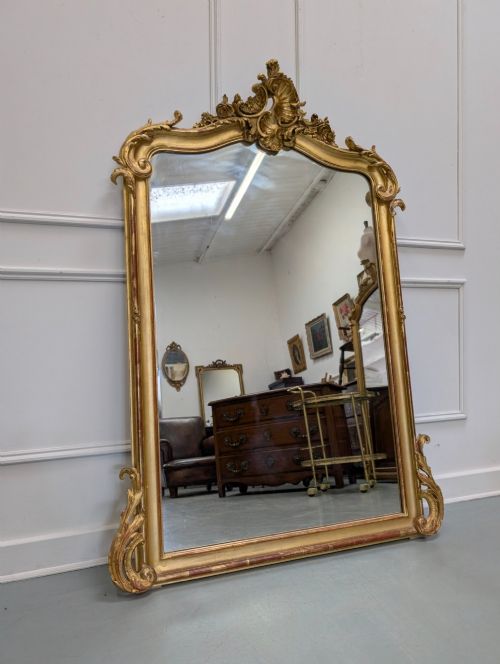
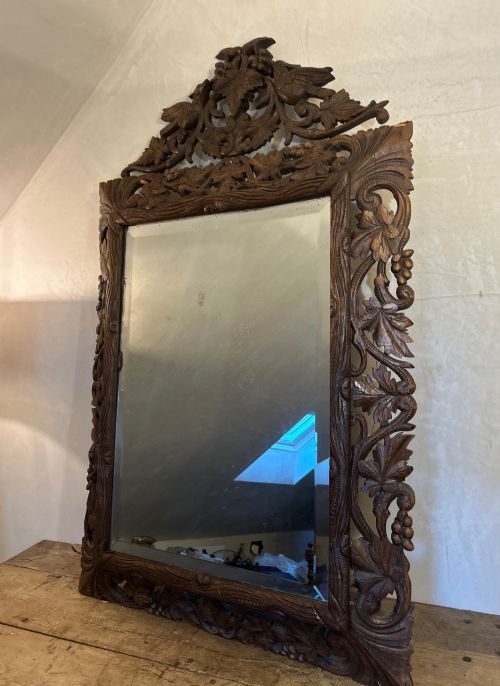
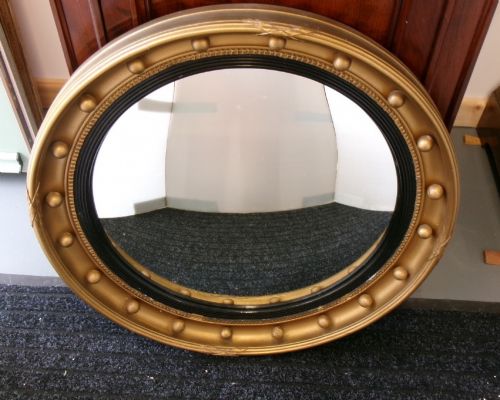
When searching for an antique mirror c1890, buyers encounter wall mirrors, dressing table mirrors, and convex porthole designs spanning the Victorian era and late nineteenth century. These objects reflect the decorative preferences of the period, ranging from plain domestic items to more elaborate pieces.
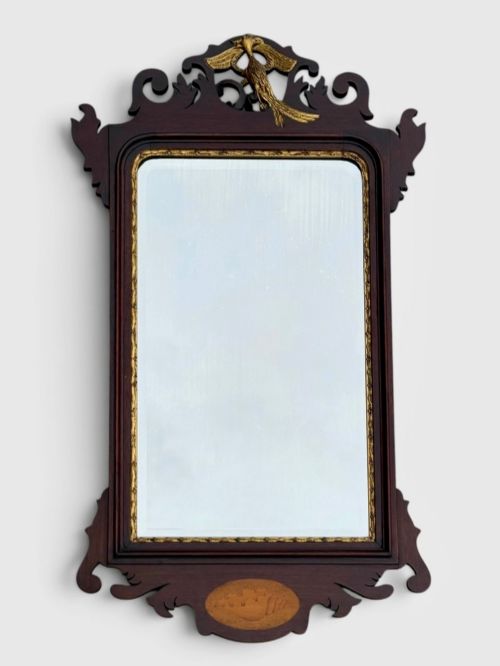
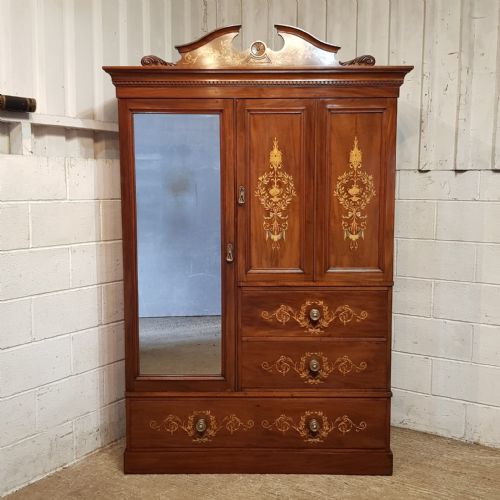
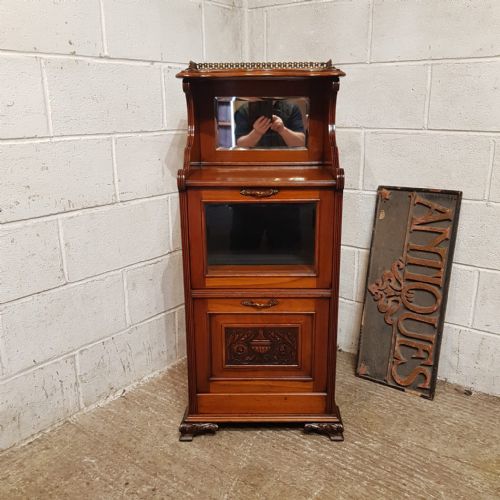
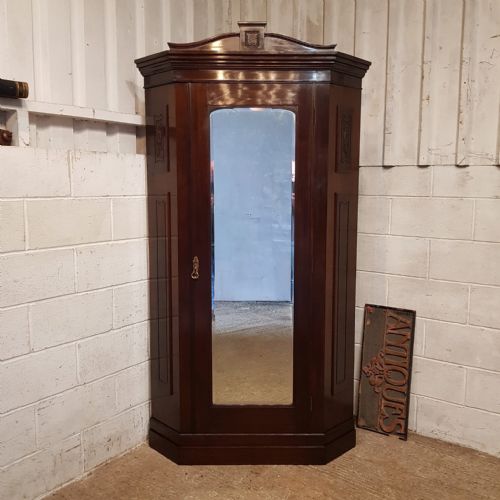
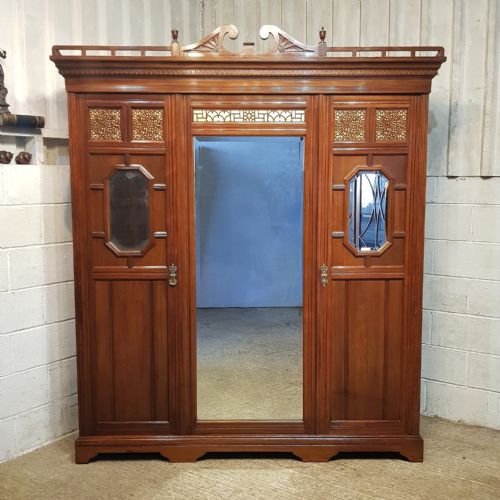
The selections on this page demonstrate the variety of forms available from this era. Wall mirrors and swing mirrors predominate, alongside occasional framed examples linked to larger furniture forms.
Origins span British and French workshops, encompassing styles from plain Victorian designs to French Rococo Revival and Georgian revival interpretations.
Materials and construction
Frames utilise solid timbers such as mahogany, walnut, oak, and rosewood, frequently enhanced with giltwood, gesso, or intricate carving. These materials reflect the standard cabinet-making practices of the late nineteenth century.
Glass plates are set within wooden or gilded structures, occasionally accompanied by brass fittings or painted surface treatments on walnut and maple.
Antique Mirror C1890 Retail Price Guide 2026
Typical asking prices for mirror c1890 among the pieces listed under this phrase on Sellingantiques today, from the lower quarter to the upper quarter. They describe what is for sale here now, not the wider market.
Convex porthole mirrors were once nicknamed banker's mirrors because their wide field of view allowed merchants to monitor their entire shop from a desk.
Assessing quality and craftsmanship
Quality in these pieces depends on the depth and crispness of the frame carving, the choice of timber such as burr walnut or figured mahogany, and the integrity of the original gilding. Finer examples display meticulous hand-carved detail and superior joinery.
The condition of the mirror plate and the retention of original surface finishes significantly influence the character of each piece, distinguishing standard utility items from finer decorative works.
The Antique Mirror C1890 Glossary
- Giltwood
- Wood carved and coated with gold leaf or a metallic substitute. This finish adds brightness and catches ambient light within a room.
- Gesso
- A plaster-like mixture applied to wooden frames as a base for gilding or painting. It allows artisans to model intricate relief ornamentation.
- Convex mirror
- A circular glass plate curved outward to provide a wide-angled panoramic reflection of the interior space. It is frequently housed in a round frame with ball accents.
- Swing mirror
- A plate mounted on pivots between upright supports, allowing the glass to tilt. This form is typically found on dressing tables and chests.
- Burr walnut
- Timber taken from a tree growth featuring intricate, swirling grain patterns. It is highly valued for decorative cabinet fronts and frame surrounds.
Antique Mirror C1890: Frequently Asked Questions
How do I date an antique mirror?
Dating relies on examining the construction methods, backboards, frame style, and the manufacturing technique of the glass plate.
Late nineteenth-century examples often display machine-sawn timber combined with hand-finished decorative carving or gesso application.
Where should I hang a wall mirror?
Wall mirrors suit placement above mantelpieces, sideboards, or console tables to reflect light and create a sense of depth.
Ensure the wall fixings are adequate for the weight of the timber frame and glass.
Are these mirrors suitable for daily use?
These pieces function well for everyday reflection while adding period aesthetic value to contemporary and traditional interiors.
Care should be taken to clean the glass gently without harsh chemical sprays that might damage antique frames.