





Antique Miniature Flask
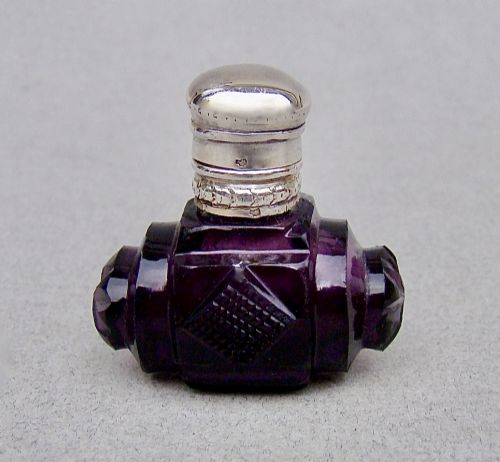
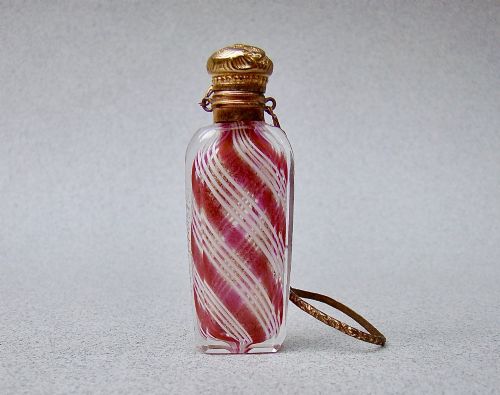
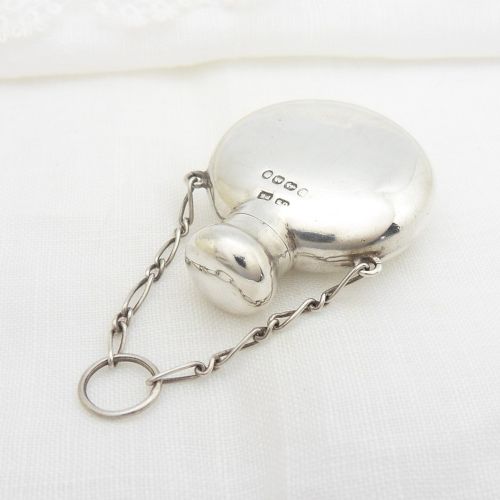
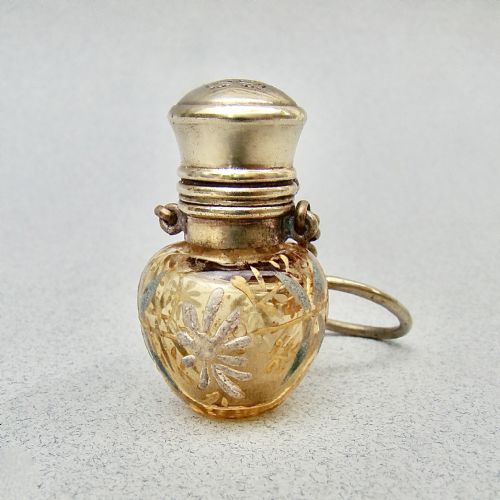
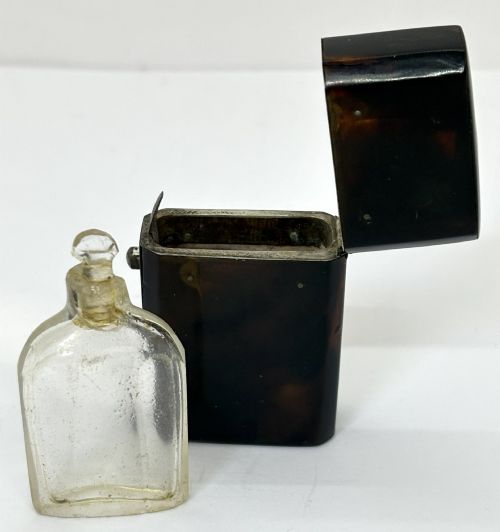
These antique miniature flask examples, spanning Georgian to Edwardian periods, are pocket-sized vessels designed for scent, snuff, or liquor.
Antique Miniature Flask
An antique miniature flask encompasses small, portable vessels designed for personal use, ranging from scent bottles and perfume funnels to snuff bottles and liquor containers. Buyers seeking an antique miniature flask will encounter diverse forms created across the eighteenth, nineteenth, and early twentieth centuries.
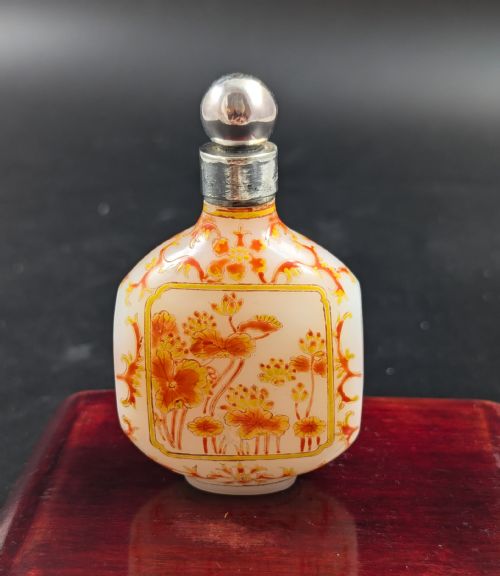
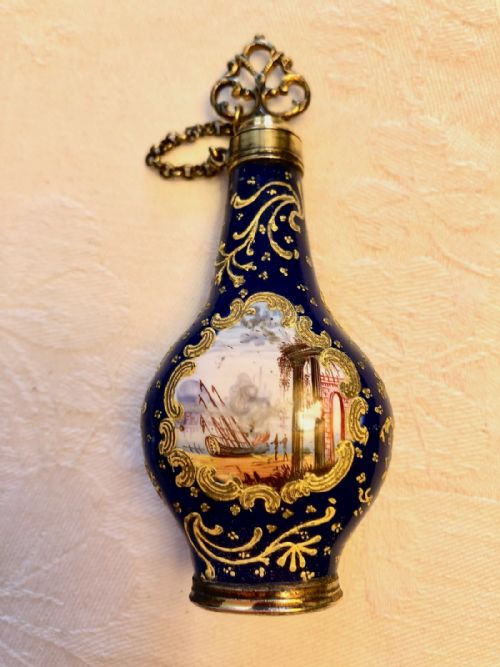
The selections on this page predominantly feature nineteenth-century and Georgian pieces, reflecting traditional craftsmanship from British, European, and Asian origins. Common manifestations include porcelain scent bottles, glass chatelaine containers, and carved Chinese snuff bottles.
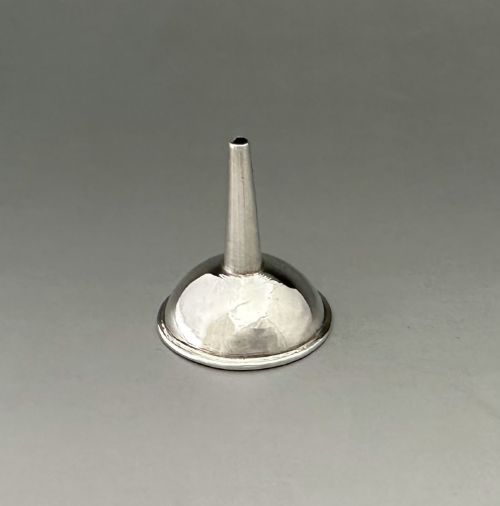
Functional pieces such as scent bottle holders and perfume funnels sit alongside decorative flasks, demonstrating the varied utility of these diminutive items in daily historical life.
Materials and construction
Makers utilised a diverse array of materials, combining precious metals like sterling silver and Old Sheffield plate with delicate substances such as glass, enamel, and porcelain. Skilled artisans also carved organic materials including coral and jade into intricate snuff bottles.
Surface decoration involved hand-painted scenes, enameled detailing, and precise metalwork such as silver mounting and hinged caps. These techniques required specialist miniature craftsmanship to achieve fine detail on such a small scale.
Antique Miniature Flask Retail Price Guide 2026
Typical asking prices for miniature flask among the pieces listed under this phrase on Sellingantiques today, from the lower quarter to the upper quarter. They describe what is for sale here now, not the wider market.
Listings feature items from the Georgian, Victorian, and Edwardian periods alongside nineteenth-century Asian works.
Evaluating craftsmanship and detail
Quality in these miniature vessels rests upon the crispness of the carving, the precision of metal mounts, and the preservation of hand-painted or enameled surfaces. Finer examples display superior artistic control in miniature decoration and secure, well-fitted closures.
Material selection significantly influences the tier of a piece, with high-grade jade, carved coral, or fully marked sterling silver representing the upper echelon of production compared to simpler glass or standard plated items.
Saunders & Shepherd
The Antique Miniature Flask Glossary
- Chatelaine
- A decorative belt hook worn with suspended fittings such as scent bottles or keys. This wearable accessory was popular in the nineteenth century.
- Old Sheffield Plate
- A composite material formed by fusing a sheet of silver to a copper base. It was widely used for Georgian and nineteenth-century hollowware.
- Guyue Xuan
- A mark associated with imperial Chinese porcelain and glass wares. Items bearing this mark often feature delicate painted enamel decoration.
- Snuff Bottle
- A small container utilised to hold powdered tobacco. These bottles originated in China and frequently feature intricate interior painting or carved stone bodies.
- Perfume Funnel
- A diminutive funnel designed to transfer scent into narrow-necked bottles. These accessories were essential for managing precious fragrances without spillage.
Antique Miniature Flask: Frequently Asked Questions
What were antique miniature flasks used for?
These small vessels served practical roles in daily grooming and personal habits, holding liquid perfumes, powdered tobacco, or small quantities of liquor. Owners carried them in pockets or suspended them from chatelaines for easy access throughout the day.
Their compact scale allowed individuals to transport personal scents or stimulants discreetly during travel or social gatherings.
How do I date an antique miniature flask?
Dating relies on examining hallmarks on silver components, stylistic traits of the period, and the specific manufacturing materials used. Georgian and Victorian pieces often exhibit distinct decorative motifs tied to their decade of production.
Consulting maker marks and comparing construction methods against known historical examples helps establish a reliable timeline.
Are Chinese snuff bottles different from Western scent bottles?
Chinese snuff bottles were specifically carved or painted to hold powdered tobacco, featuring materials like jade, coral, and layered glass. Western miniature flasks typically focused on liquid perfumes, glass salts, or alcoholic spirits.
While both serve as small collectible containers, their cultural origins dictated distinct forms, closures, and internal capacities.
How should I display miniature flasks at home?
Because of their small scale, these flasks benefit from enclosed display cabinets or dedicated shelving where they are protected from accidental knocks. Good lighting helps highlight the fine details of enameled surfaces and carved stones.
Keeping them away from direct sunlight preserves the pigments in hand-painted scenes and delicate organic materials.