


Antique Millinery Block
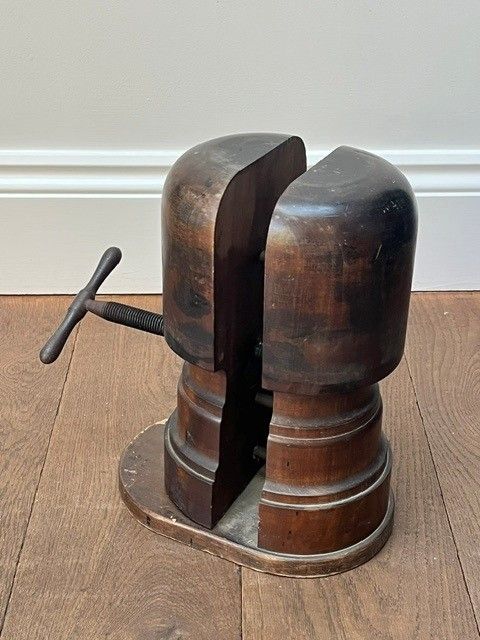
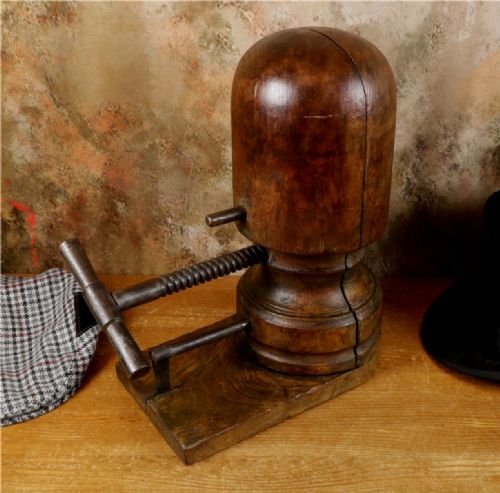
An antique millinery block is a sculptural timber or metal form shaped to make and shape hats.
Antique Millinery Block
When you search for an antique millinery block, you encounter sculptural objects designed for shaping and sizing hats in traditional workshops. These pieces range from simple wooden forms to mechanical stretchers and carved display heads.
You are most likely to meet wooden hat blocks and aluminium moulds dating from the Victorian era through to the 1930s. Forms span French fruitwood shapes, English millinery heads, and industrial aluminium equipment.
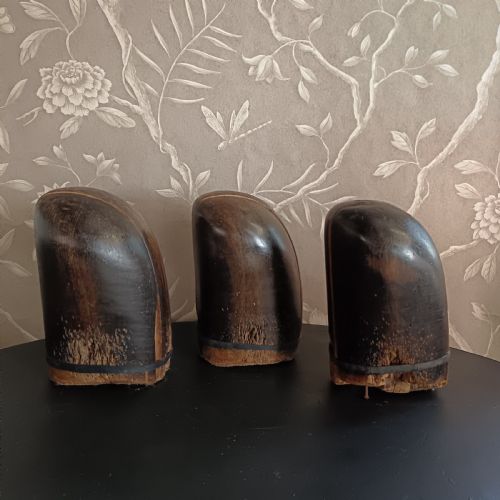
The selection includes specialised items such as wig display stands, hat sizers, and blocks intended for military bearskin caps. Each piece carries the distinct marks of workshop use and hat-making production.
Determining quality in these pieces
Quality rests in the sculptural presence and the integrity of the material, whether a finely carved folk art head or a precisely engineered aluminium mould. Superior pieces display sculptural balance and clean proportions.
The degree of original workshop wear dictates character, with patinated timber surfaces and untouched tool markings marking out pieces holding genuine working history.
Some wooden heads retain the actual hatpins left behind by milliners who pinned brims straight into the timber.
The Antique Millinery Block Glossary
- Hat block
- A solid wooden form carved to the exact contours required for shaping millinery. These were essential tools in every hat maker's workshop.
- Hat stretcher
- A mechanical device inserted into a hat to expand or adjust the inner circumference. They often feature wooden segments operated by a central screw mechanism.
- Millinery mould
- A hollow metal form, typically cast in aluminium, used for pressing and forming hats under heat and pressure. They offer precision and longevity in production.
- Wig display stand
- A carved wooden head designed to support and display wigs or headwear. They double as sculptural decorative items in domestic interiors.
- Fruitwood
- A dense, fine-grained timber sourced from fruit-bearing trees such as pear or apple. It provides a smooth surface ideal for detailed carving and shaping.
Antique Millinery Block: Frequently Asked Questions
What is an antique millinery block used for?
These blocks served as the foundational moulds upon which traditional hats were shaped, stretched, and trimmed by hand.
Milliners dampened felt or straw and pulled the material tightly over the wooden or metal form to set the crown and brim.
How do I date an old hat block?
Dating relies on material selection, manufacturing techniques, and style eras recorded across Victorian, Georgian, and twentieth-century examples.
Aluminium moulds point towards the early twentieth century, while hand-carved fruitwood and mahogany wig stands typically indicate nineteenth-century or earlier craftsmanship.
Are wooden hat blocks made from solid timber?
Most traditional hat blocks are carved from solid blocks of hardwood, beech, oak, walnut, or fruitwood to withstand heavy pressure.
Solid construction prevented warping during the steaming and shaping processes required in hat production.
How should I display an antique hat block at home?
Their sculptural forms make them ideal for display on shelves, sideboards, or tables as standalone decorative objects.
Many collectors group wooden blocks and metal aluminium moulds together to highlight the varied textures of industrial and traditional workshop tools.