


Antique Milliners Block
These antique milliners blocks are functional studio tools shaped for shaping hats, offering genuine workshop character for modern interiors.
Antique Milliners Block
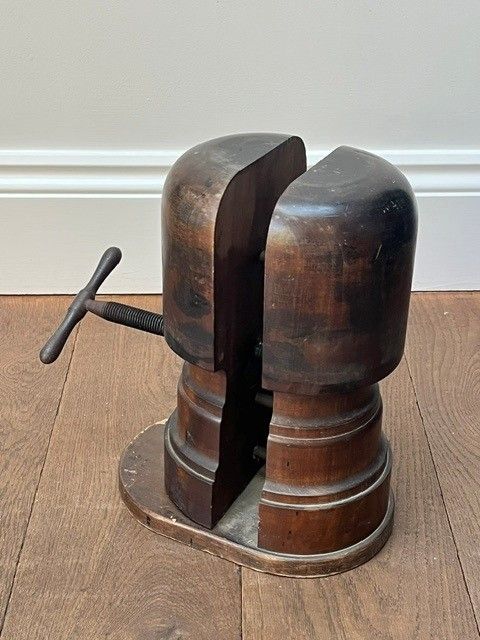
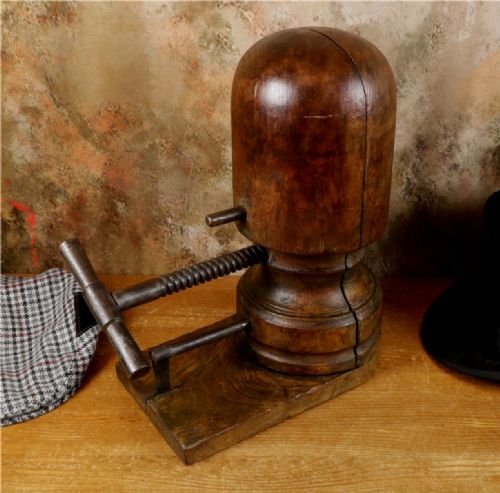
When you search for an antique milliners block, you encounter solid wooden forms, aluminium moulds, and adjustable stretchers used historically for shaping and sizing hats. These utilitarian objects span periods from the mid-nineteenth century through the nineteen-twenties, reflecting the manufacturing methods of their working eras.
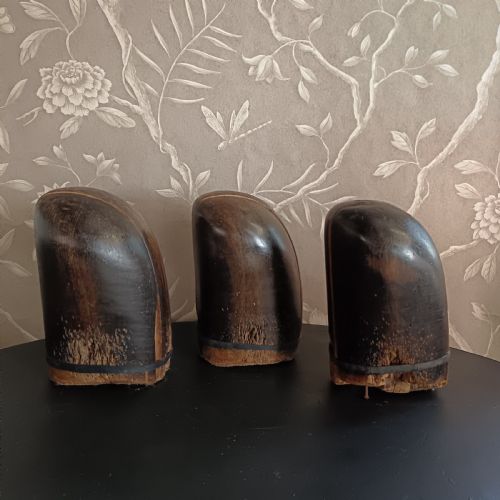
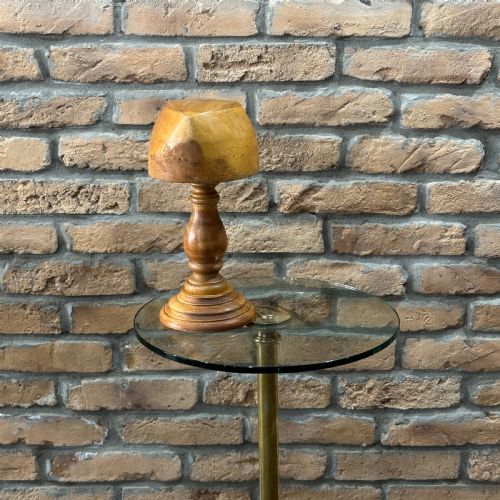
The selections available here range from carved wooden millinery heads originating in London and France to industrial aluminium moulds and specialist forms designed for military bearskin caps. Wooden examples frequently utilise traditional timbers such as oak, walnut, beech, and fruitwood.
Forms vary from simple display stands and hat stretchers to sculptural carved folk art heads. Each piece retains the distinctive marks of workshop use, making them versatile decorative objects for contemporary display.
Materials and construction methods
Makers shaped these pieces from dense hardwoods including oak, walnut, beech, and fruitwood, often selecting timber that could withstand constant pressure and handling. Carved wooden heads and forms display hand-chiselled facets and smooth turned surfaces resulting from rigorous workshop utility.
Industrial examples utilise cast aluminium and iron, particularly in the later nineteen-twenties moulds designed for precision production. These metal components combine functional durability with clean structural lines.
Adjustable hat stretchers incorporate clever mechanical joints made from wood and metal to expand and contract. Every material choice serves the practical demands of nineteenth and early twentieth-century millinery.
Listings feature pieces spanning from eighteen-fifty through the nineteen-twenties, encompassing both wooden hand-carved forms and aluminium industrial moulds.
Assessing quality in workshop pieces
Quality in an antique milliners block rests upon the integrity of the material and the character of the hand-carved or cast execution. Superior pieces exhibit confident shaping, particularly in sculptural wooden heads where facial contours or cranial proportions display artistic intent rather than crude utility.
The distinction between standard workshop equipment and finer examples often lies in the choice of timber and the preservation of original patination. Richly grained fruitwoods, solid oaks, and well-cast aluminium retain deeper visual interest from their working lives.
Desirable examples maintain their structural completeness, whether dealing with the complex joints of a hat stretcher or the solid mass of a military cap mould.
The Antique Milliners Block Glossary
- Hat block
- A solid form carved or moulded to the exact shape required for wet-forming and drying hat bodies. These wooden or metal blocks dictate the final silhouette of the millinery.
- Hat stretcher
- A mechanical tool inserted into a hat band and expanded via a screw mechanism to increase circumference. They combine turned wood components with metal hardware.
- Millinery mould
- A hollow metal or wooden shell, frequently found in aluminium, used for pressing hat felt or straw under heat and pressure. They represent the more industrial side of hat production.
- Folk art style
- A descriptive term for vernacular carvings that possess unpretentious charm and individual character outside formal academic training. These pieces show direct, unhurried hand-tool work.
- Fruit wood
- Dense timber sourced from fruit-bearing trees such as pear or apple, prized by turners for its fine grain and ability to hold crisp detail.
Antique Milliners Block: Frequently Asked Questions
What were antique milliners blocks used for?
Hatters and milliners used these blocks to shape, size, and store hats during the manufacturing process. Damp felt or straw was pulled tightly over the form and left to dry into the desired silhouette.
Today, collectors repurpose these sturdy forms as sculptural display stands for hats, wigs, or simply as decorative objects in domestic interiors.
How do I date an old hat block?
Dating relies on material composition, manufacturing marks, and prevailing styles within the listings. Nineteenth-century examples typically feature hand-carved hardwoods or French fruitwood, while nineteen-twenties pieces frequently incorporate cast aluminium moulds and solid beech.
Examining tool marks and the type of timber provides further clues to whether a piece originates from Victorian workshops or later industrial production.
Are aluminium hat blocks authentic antiques?
Aluminium moulds appearing in nineteenth and early twentieth-century contexts represent the industrial evolution of hat manufacturing. As production methods shifted, metal replaced wood to provide durable, heat-resistant forms for mass output.
These metal pieces carry the same genuine workshop provenance as their wooden counterparts.
How should I display a hat block at home?
Displaying these blocks requires minimal intervention, as their sculptural forms stand well on shelves, mantels, or tables. Placing them in neutral spaces highlights their original patination and tool marks.
Avoid direct heat sources to protect historic wooden surfaces from drying or splitting over time.