



Antique Military Weapon
When you handle an antique military weapon, you hold centuries of regulation steel, walnut and brass forged for service across global campaigns.
Antique Military Weapon
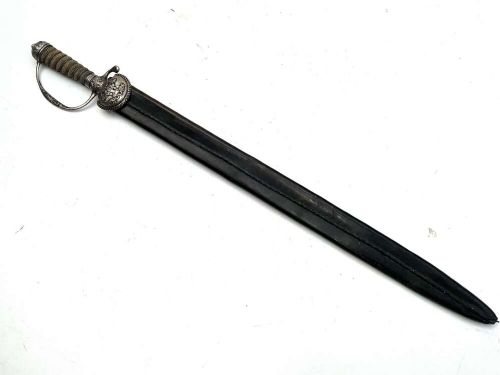
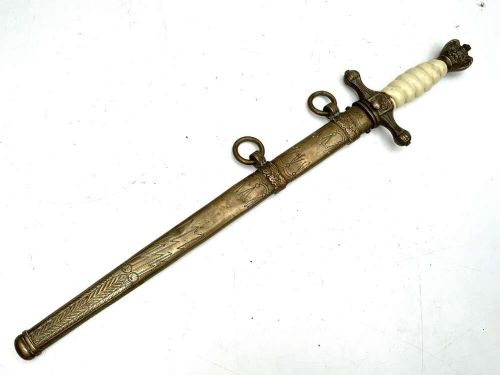
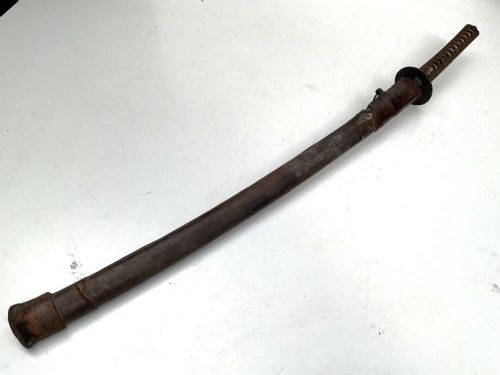
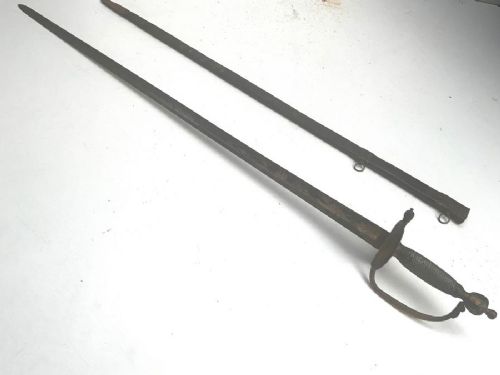
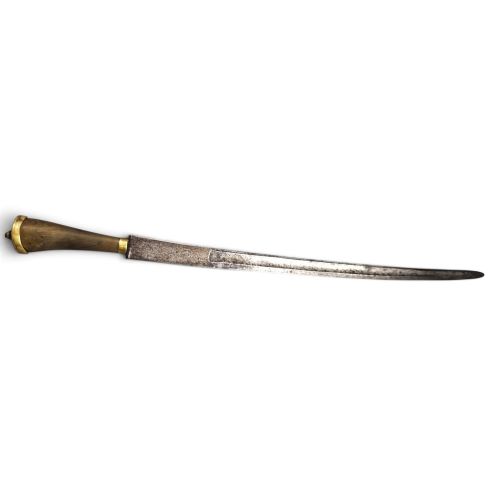
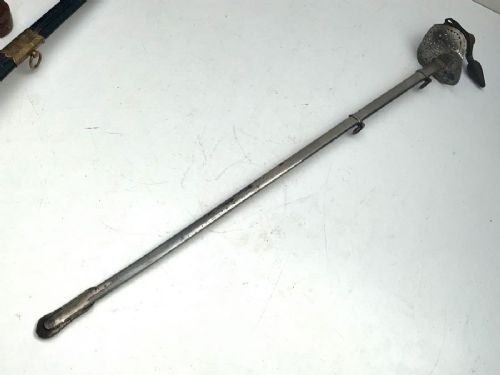
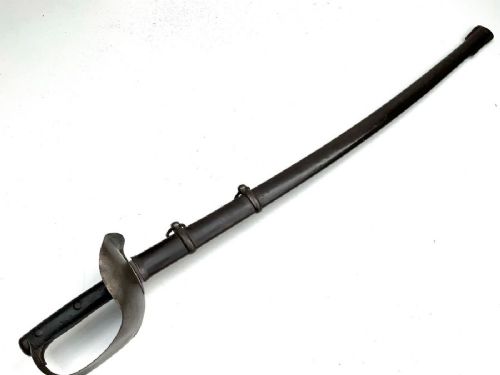
An antique military weapon encompasses edged blades, firearms and polearms issued to or carried by armed forces from the eighteenth century through the twentieth century. These pieces record official ordnance patterns alongside private purchase officer items used globally.
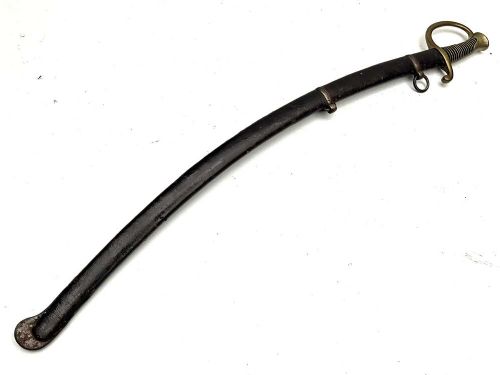
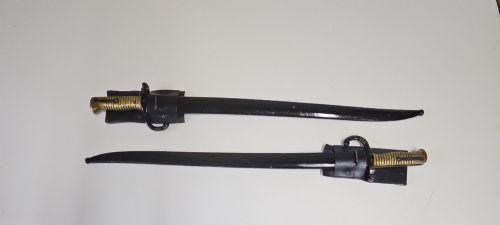
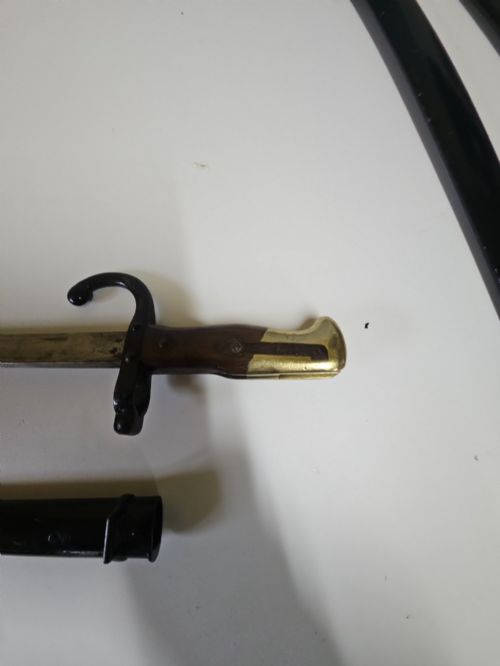
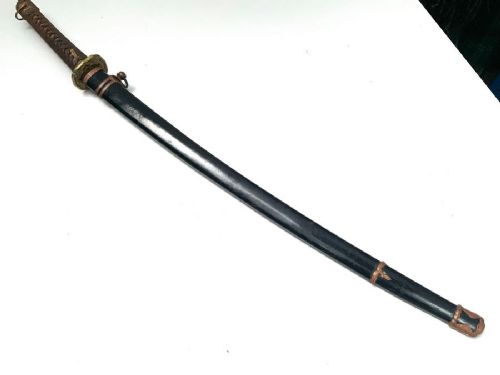
The selection centres heavily on nineteenth-century specimens, including Victorian cavalry sabres, French bayonets and percussion pistols. Visitors will also encounter eighteenth-century flintlock muskets and mid-twentieth-century service swords.
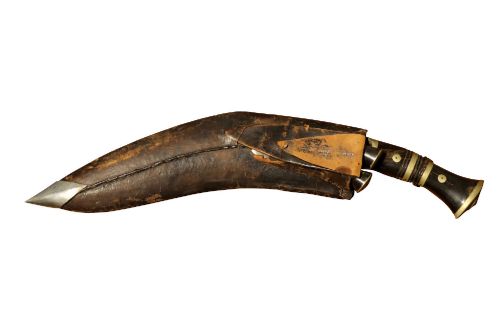
Geographic origins span British, French, German, American, Japanese and Nepalese manufactures. Formations range from naval dirks and heavy cavalry sabres to frontier knives and boarding cutlasses.
Materials and construction
Makers utilised forged steel and iron for blades and barrels, paired with mounts cast from brass. Edged weapons often featured blue and gilt finishes applied to the steel before assembly.
Hfts and grips combined organic materials including walnut, other hardwoods, horn and bone. Scabbards paired leather with stitched seams and metal mounts or relied entirely on formed steel.
Antique Military Weapon Retail Price Guide 2026
Typical asking prices for military weapon among the pieces listed under this phrase on Sellingantiques today, from the lower quarter to the upper quarter. They describe what is for sale here now, not the wider market.
Listings feature steel, brass, leather, iron, walnut, wood, horn and bone across periods spanning the sixteenth to the twentieth century.
Distinctions in grade
Quality rests upon the crispness of maker stamps, ordnance inspection marks and unit engravings stamped into the metal or wood. Crisp, deep markings separate standard contractor production from superior workshop output.
The preservation of original surface finishes, such as blue and gilt blade decorations or untouched brass patination, defines the upper tier of survivals. Well-fitted grips and matching scabbards further elevate a piece.
E Thurkle of Soho·Sargant and Son·Mole
The Antique Military Weapon Glossary
- Mameluke
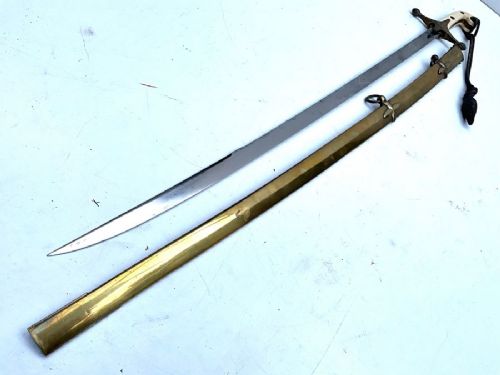
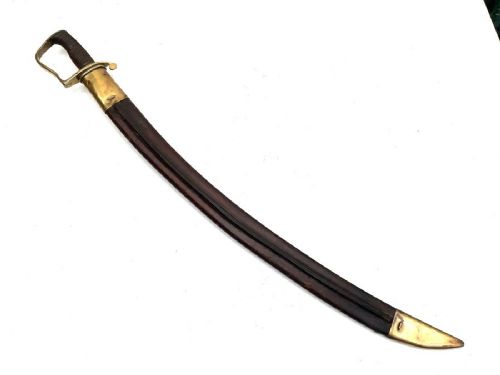
- A curved sabre style adopted by western officers, inspired by Middle Eastern swords encountered during campaigns. It relies on a distinct crossguard and curved grip.
- Flintlock
- An ignition mechanism for firearms that uses a piece of flint striking a steel frizzen to create sparks. This ignites the priming powder in the pan to fire the main charge.
- Bayonet
- A dagger or blade designed to fit onto the muzzle end of a rifle for close combat. Examples range from socket patterns to heavy sword bayonets.
- Percussion cap
- A small metal cup containing fulminate of mercury placed on a nipple to ignite powder when struck by a hammer. It replaced earlier flintlock systems.
Antique Military Weapon: Frequently Asked Questions
What is an antique military weapon?
It is a weapon manufactured for military, naval or volunteer service during past centuries. These artefacts include edged steel, firearms and polearms issued to troops.
They serve as historical records of tactical evolution and official procurement standards across different nations.
How do I identify the date?
Dating relies on inspecting stamped regulation patterns, crowned inspection stamps, maker signatures and proof marks on the metal. Specific blade shapes and hilt designs also correspond to known service eras.
Comparing these markings against ordnance records narrows down the period of issue.
Were these used in combat?
Many pieces show the handling wear, service marks and field alterations consistent with active military campaigns. Officers often purchased private blades for personal use on active duty.
Other items remained part of depot stores or ceremonial dress until retirement.
How should I display them?
Display requires secure wall mountings or dedicated cabinets that protect items from moisture and direct sunlight. Leather and wood components benefit from stable ambient humidity.
Metal surfaces should be kept lightly oiled to prevent active oxidation while preserving the historic patina.