

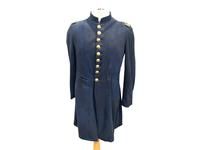

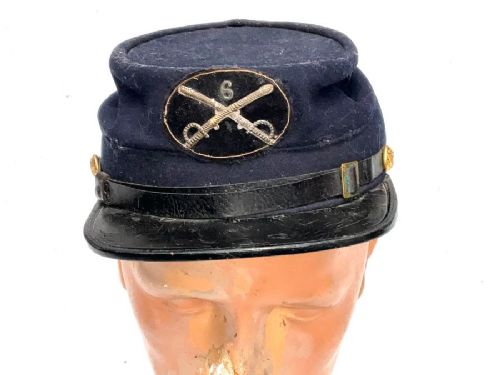
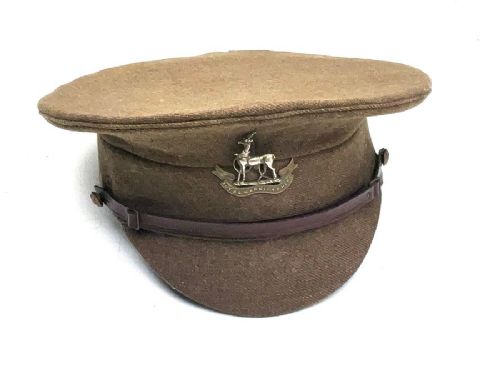


Antique Military Uniform
When you search for an antique military uniform, you are looking at centuries of service recorded through oil portraits, watercolours, and surviving headwear.
Antique Military Uniform
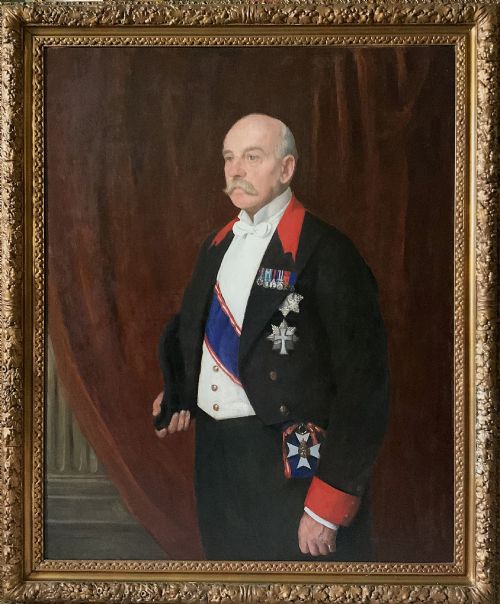
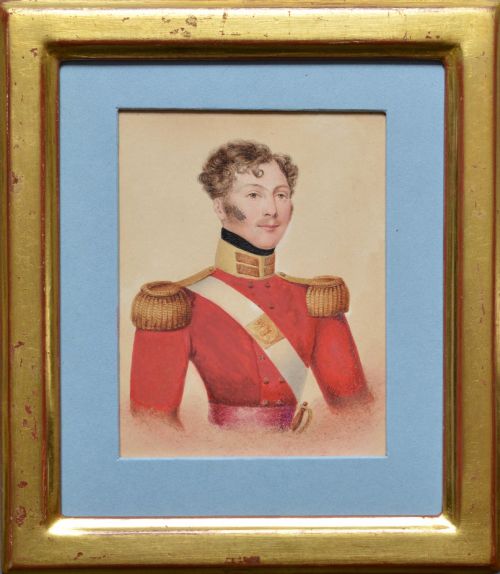
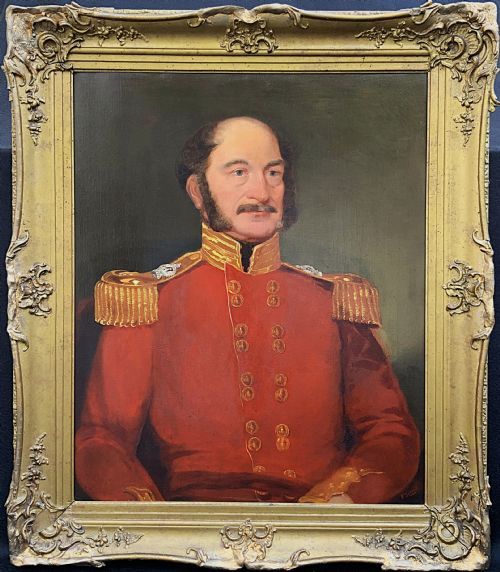
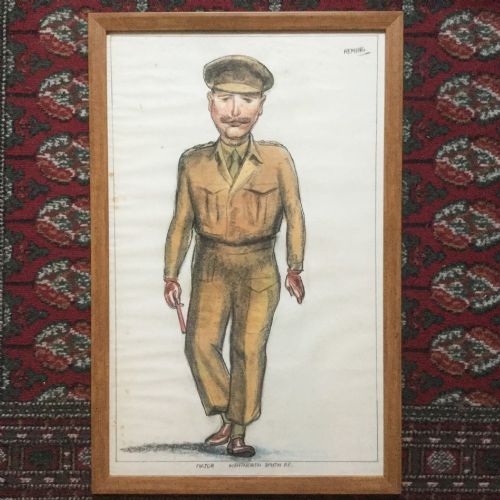
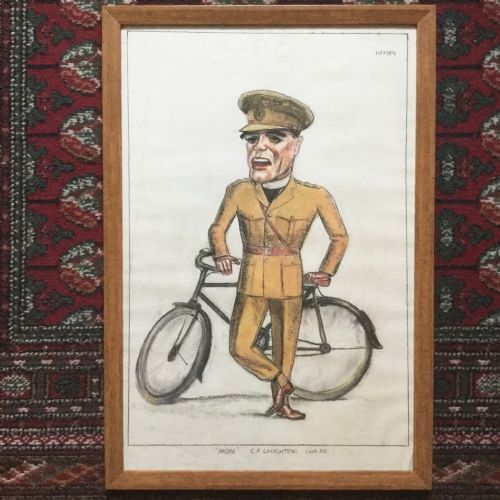
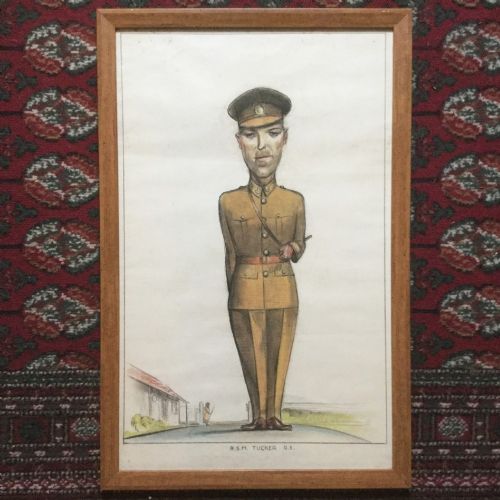
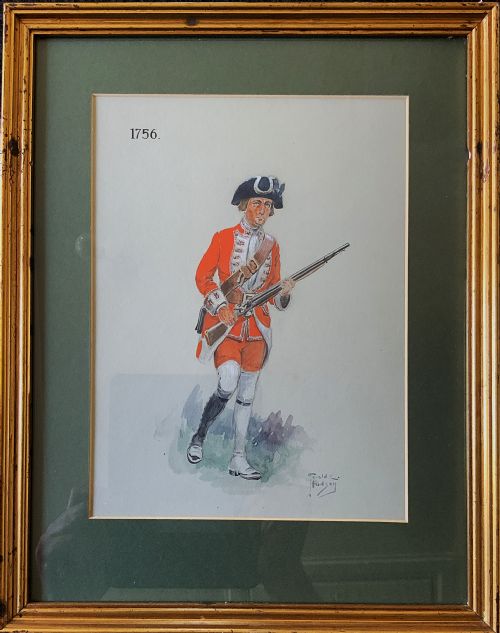
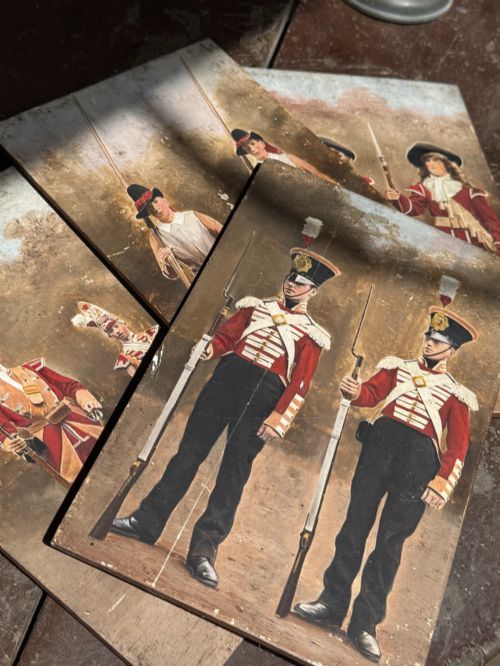
The antique military uniform on this page appears primarily across 18th-century, 19th-century, and mid-20th-century oil paintings, watercolours, and pastel sketches. Portraits of generals, captains, and infantrymen dominate the selection, depicting British, American, and European service dress.
Beyond flat artwork, you will also encounter physical items such as bicorn hats, shako caps, kepis, and uniform hat boxes. These physical artefacts and painted records trace the evolution of military tailoring from Georgian red coats to First World War woollen service dress.
How they were made
Paintings utilise oil on canvas, wood panel, or paper, often layered with pastel, gouache, or watercolour to render the fine details of braid, insignia, and wool tunics. Artists working in the Georgian, Victorian, and Edwardian periods recorded precise regimental colours through these traditional media.
Physical uniform items and accoutrements rely on textiles, canvas, and structured wool felt, sometimes paired with metal belt clasps in solid silver gilt. Hat boxes incorporate wood and decorative finishes like faux tortoiseshell to protect headwear during transport.
Military gentlemen frequently exercised their King Charles Spaniels while wearing full regimental dress.
What varies in quality
For physical headwear and accoutrements, standard depends on the survival of original textiles, lining, and hardware without extensive modern restoration. Maker attribution, such as pieces bearing labels from established military tailors, elevates the standing of an item.
Hawkes & Co·Edward Pugh·Henry Walton·Sir Thomas Lawrence·John Irvine
The Antique Military Uniform Glossary
- Shako
- A tall, cylindrical military cap usually fitted with a visor and a plume or cockade. This headwear was widely worn by infantry and artillery regiments during the 18th and 19th centuries.
- Bicorn
- A two-pointed cocked hat worn extensively by naval and military officers during the Georgian and Regency periods. It is typically folded up at the sides and worn with the points aligned front and back.
- Kepi
- A cap with a flat circular top and a visor, associated closely with 19th-century armies including American Civil War forces. It evolved from softer forage caps into a structured military headpiece.
- Pastel and gouache
- Media combining dry powdered pigment binders with opaque water-based paints. Artists utilised these materials for rapid wartime portrait sketches that captured immediate likenesses.
- Regimental colours
- The specific hues and patterns assigned to a military unit for uniforms and flags. Contemporary artists recorded these tones meticulously to denote rank and service branch.
Antique Military Uniform: Frequently Asked Questions
How do I date a military portrait painting?
Dating relies on the cut of the uniform, the style of facial hair, and any accompanying inscriptions or signatures on the canvas. Uniform regulations changed by decade, allowing you to cross-reference lapels, lace, and headwear with official military records.
Artists frequently signed or dated their work directly on the front or reverse, while period frames offer further clues to the age of the piece.
What regiments appear most frequently?
The selections span various British regiments such as the Staffordshire 80th Regiment of Foot and the Royal Engineers. You will also find depictions of foreign service including the French National Guard and American Civil War units.
These designations often appear in the title, artist notes, or on the uniform's collar badges and shoulder titles.
How should I display antique textiles and artwork?
Paintings and works on paper require placement away from direct sunlight to prevent fading of watercolours, pastels, and oil pigments. Maintain stable room humidity to protect wooden panels and canvas integrity.
Physical uniform items and headwear need acid-free storage or specialised display cases to support delicate fabrics and prevent dust accumulation on wool and braid.
What is the difference between an oil painting and a sketch?
Oil paintings on canvas or panel offer rich, layered colour and texture, created as formal commissions for officers and gentry. They provide a permanent, highly detailed record of uniform appearance.
Sketches utilising pastel, gouache, or watercolour on paper were often executed rapidly in the field or studio, offering a more immediate, intimate glimpse into military life.